Finance History | San Lázaro, 1 September 1982 — Mexico Nationalized Private Banks and Imposed Exchange Controls
volume_up
Listen
directions
Directions
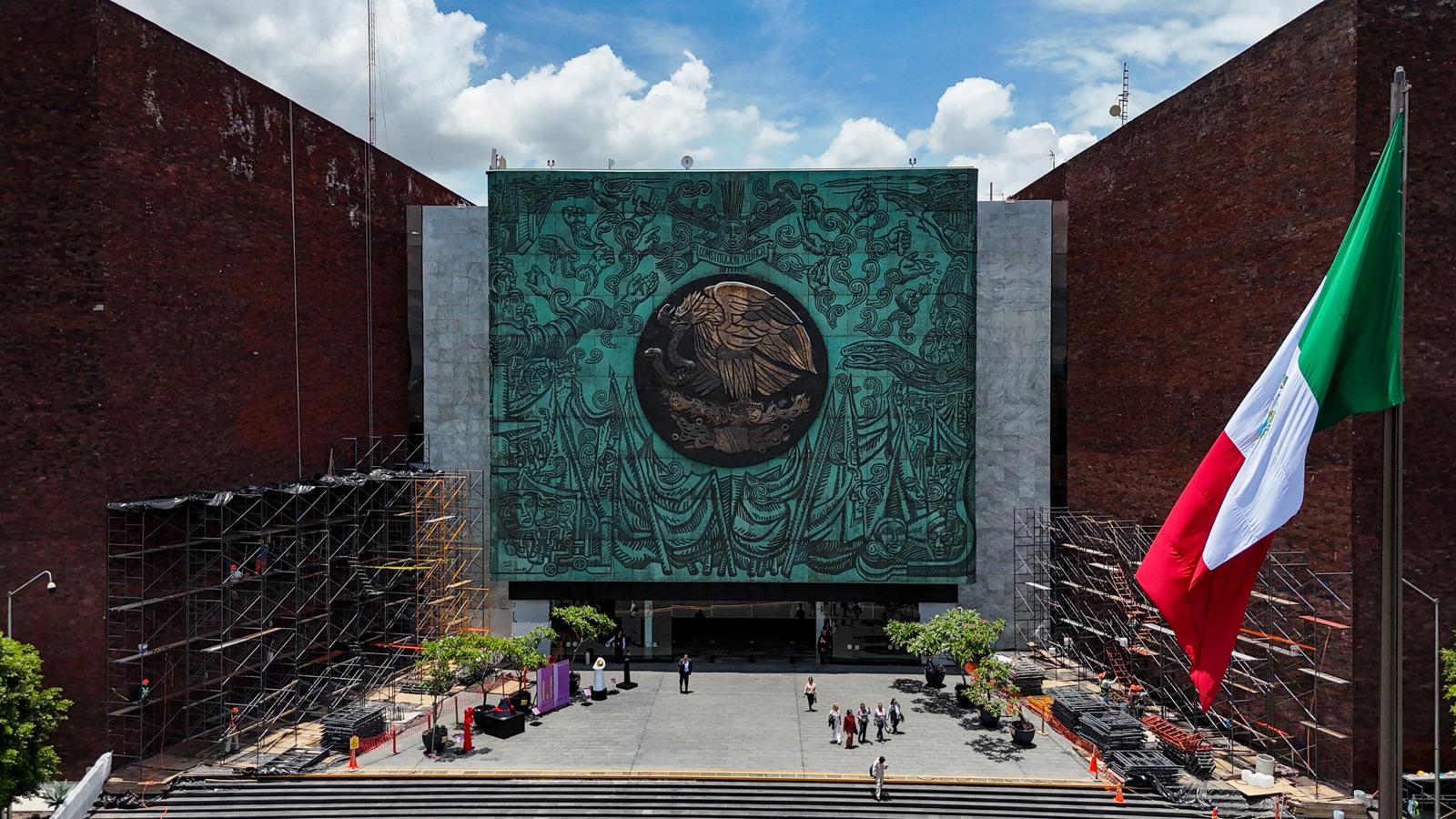
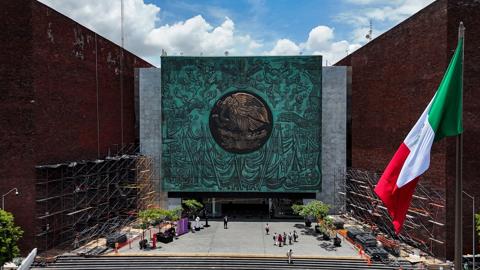
On 1 September 1982, President José López Portillo used his final state-of-government address at the Palacio Legislativo de San Lázaro to announce the nationalization of Mexico’s private banks and a system of comprehensive exchange controls.
The decision came during a severe external-financing crisis. Oil revenues had supported rapid borrowing and public spending, but higher international interest rates, falling confidence, and capital flight left Mexico short of foreign currency. In August, the government suspended principal payments on much of its external debt and intensified controls over dollar transactions.
López Portillo presented bank nationalization as a way to stop what he described as a cycle of capital flight, devaluation, and inflation. The decrees expropriated domestically owned private banks and placed foreign-exchange dealings under state control; foreign-owned banks and some auxiliary credit organizations were excluded.
Implementation was immediate. Banks closed from 2 through 5 September. When they reopened, official arrangements included a preferential exchange rate of 50 pesos per U.S. dollar and an ordinary rate of 70, while new foreign-currency deposits and lending were restricted.
The measures joined two different powers. Nationalization transferred ownership and management of banks to the state. Exchange control governed who could buy and sell foreign currency and at what price. Controlling the banking network made the second policy easier to enforce, but it did not create the dollars the economy lacked.
The comprehensive controls lasted only three months. In December, the incoming administration replaced them with a dual market containing controlled and free segments. Bank ownership remained in public hands much longer; commercial banks were consolidated and restructured before being reprivatized in 1991–1992.
The episode changed relations among the state, bankers, depositors, and investors. It expanded public control over credit, but it also damaged confidence in property rights and encouraged future financial groups to organize outside traditional bank balance sheets.
San Lázaro was itself a new political stage: López Portillo had inaugurated the legislative complex during his 1981 address. One year later, its chamber became the place where a departing president redrew Mexico’s financial system in the middle of a debt crisis.
The announcement did not end capital flight or stabilize the peso. It showed instead how a shortage of external finance could become a struggle over ownership, convertibility, and which institution would control the country’s savings.
Image: “Palacio Legislativo de San Lázaro obtenido con dron 01” by ProtoplasmaKid, licensed CC BY-SA 4.0, via Wikimedia Commons.










 expand_more