Finance History | Federal Reserve Board, 4 March 1951 — The Treasury–Fed Accord Ended the Wartime Rate Peg
volume_up
Listen
directions
Directions
On 4 March 1951, the U.S. Treasury and Federal Reserve announced that they had reached “full accord” on debt management and monetary policy. The short statement ended a confrontation over whether the central bank had to keep supporting government-security prices at levels favored by the Treasury.
The dispute grew from wartime finance. During World War II, the Fed had helped hold Treasury borrowing costs down by standing ready to buy government securities. That commitment made financing a vast public debt easier, but it also limited the Fed’s ability to restrain credit by allowing interest rates to rise.
The problem sharpened after the Korean War began. Inflation accelerated, while the Truman administration still wanted low and stable yields. Fed officials feared that defending the peg would require further purchases of Treasury debt and create additional bank reserves at exactly the wrong time.
Relations broke into public view after President Harry Truman met the Federal Open Market Committee at the White House on 31 January 1951. A presidential account implied that the committee had promised continued support; Marriner Eccles released the Fed’s own record, making the disagreement impossible to conceal.
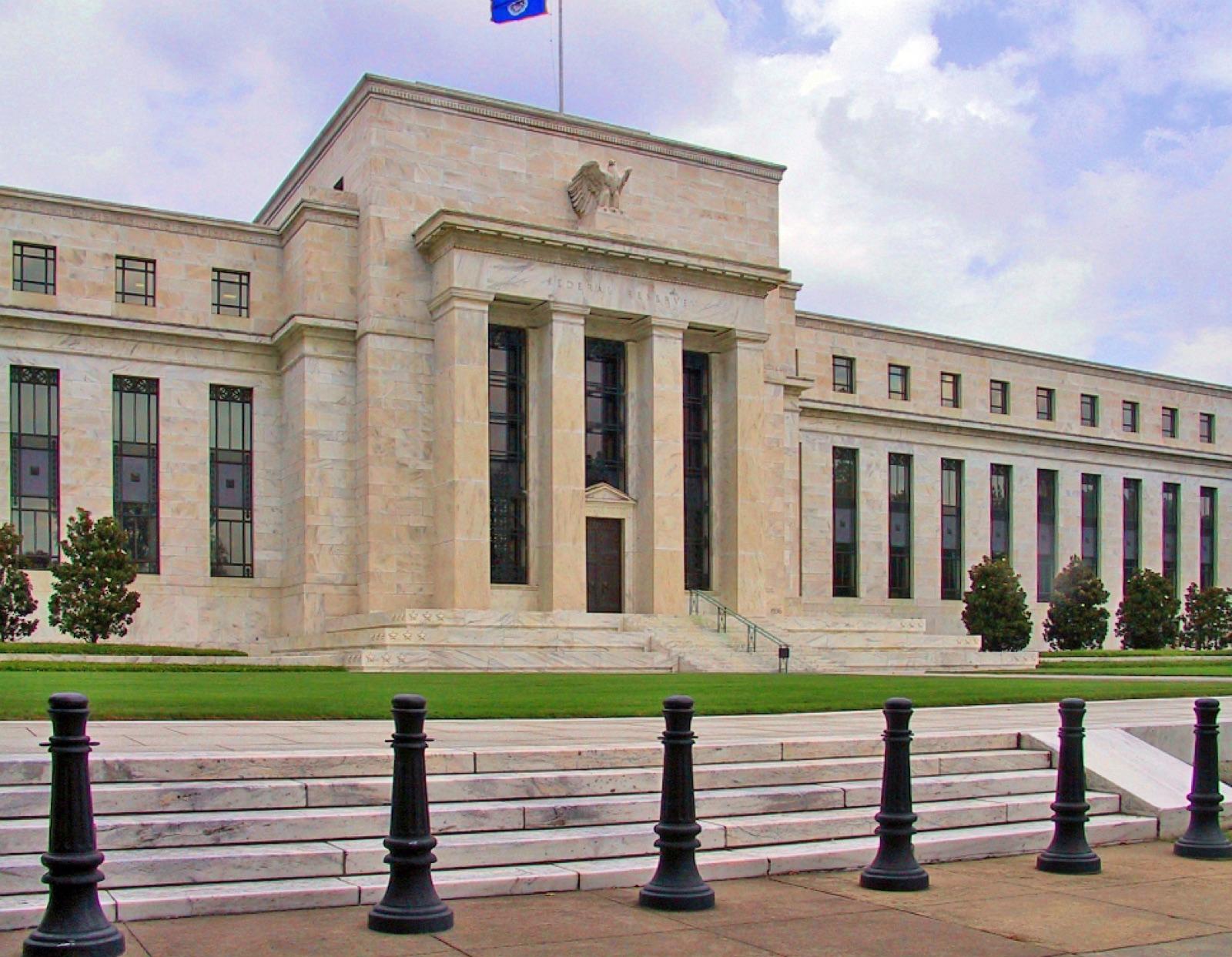
Negotiations then moved to the Federal Reserve Board’s offices in Washington. During the FOMC meeting of 1–2 March, Treasury Assistant Secretary William McChesney Martin Jr. and officials from both institutions worked out a compromise. The Fed accepted temporary support for a new Treasury issue, while the Treasury accepted that the broader bond market would no longer remain under a fixed support program.
The Board ratified the proposed announcement on 2 March, Treasury approval arrived the next day, and the statement appeared in Sunday newspapers on 4 March. It was an institutional settlement, not a detailed treaty signed at a ceremonial table.
The Accord did not make fiscal and monetary policy independent of one another; Treasury financing and central-bank operations still interacted. It did, however, end the Treasury’s claim that wartime rate support should govern monetary decisions indefinitely.
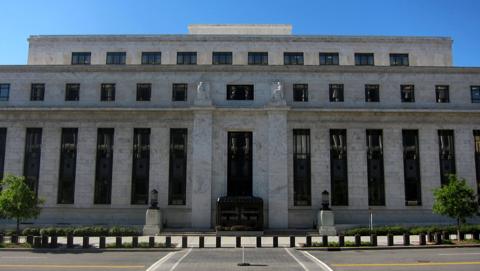
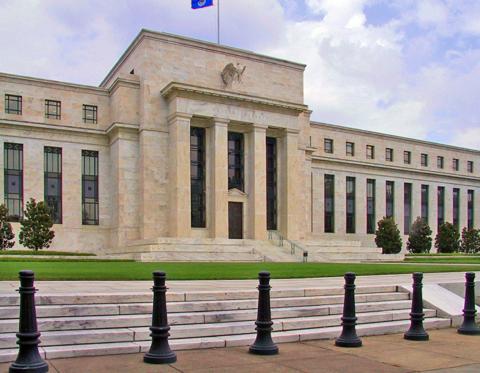
At the Federal Reserve’s Constitution Avenue headquarters, the authority to let government-security prices adjust returned to the institution responsible for monetary policy. That separation became a foundation of modern Federal Reserve independence.
Image: “Federal Reserve” by Dan Smith, licensed CC BY-SA 2.5, via Wikimedia Commons.
















 expand_more