NPB History | Takarazuka Stadium Site — Where Hankyu Began, Twice
volume_up
Listen
directions
Directions
The outfield had no fence. There was a rail about fifty centimetres high and then the grounds of a hot-spring resort. The infield had proper concrete steps for seating, but that was the extent of it: Takarazuka Stadium was a plain thing built at the edge of an amusement complex, and two separate attempts at professional baseball in Japan began on it.
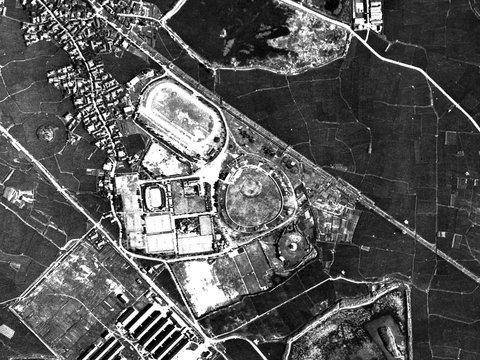
Hankyu — then Hanshin Kyūkō — had finished its Takarazuka line and set about turning the terminus into a destination: a new hot spring, a place called Paradise, an amusement park, a zoo and botanical garden, and a girls' revue that is now the Takarazuka Revue. In June 1922 a sports centre went in alongside, with tennis courts, an athletics ground and this ballpark.
Two years later it acquired a professional team by rescue. Japan's first professional club, the Nippon Undō Kyōkai in Shibaura, Tokyo, had been broken by the Great Kantō earthquake and disbanded. Kobayashi Ichizō, Hankyu's president, was convinced professional baseball was coming whatever the evidence said, and invited the players west. The Takarazuka Undō Kyōkai was formed in February 1924 with Kōno Atsushi as manager, based here, playing corporate sides because there was no professional league to play in. There was still no professional culture to support it, and it folded in 1929 after five years.
Kōno did not give up. Twelve years after Takarazuka disbanded he was one of the men who built Korakuen Stadium in Tokyo, and Kobayashi Ichizō put money into that too.
The second beginning came in January 1936, when the Osaka Hankyu Baseball Association registered with the new professional league and made this its base. Their first game as a club was on 20 March 1936 against the Kinko-gun, and they lost it 1–7; they took the second 4–2 behind Kitai Masao. The club that would become the Hankyu Braves and win four Pacific League pennants in a row started here, badly, on a field with a knee-high rope for a boundary. Later that year Yamashita Minoru of Hankyu hit what is recorded as the first over-the-fence home run in Japanese professional baseball, into the left-field seats.
They stayed one season. Nishinomiya opened in 1937 and Hankyu moved to it, and the thirteen professional games played at Takarazuka in 1936 are all there were.
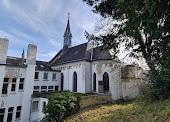
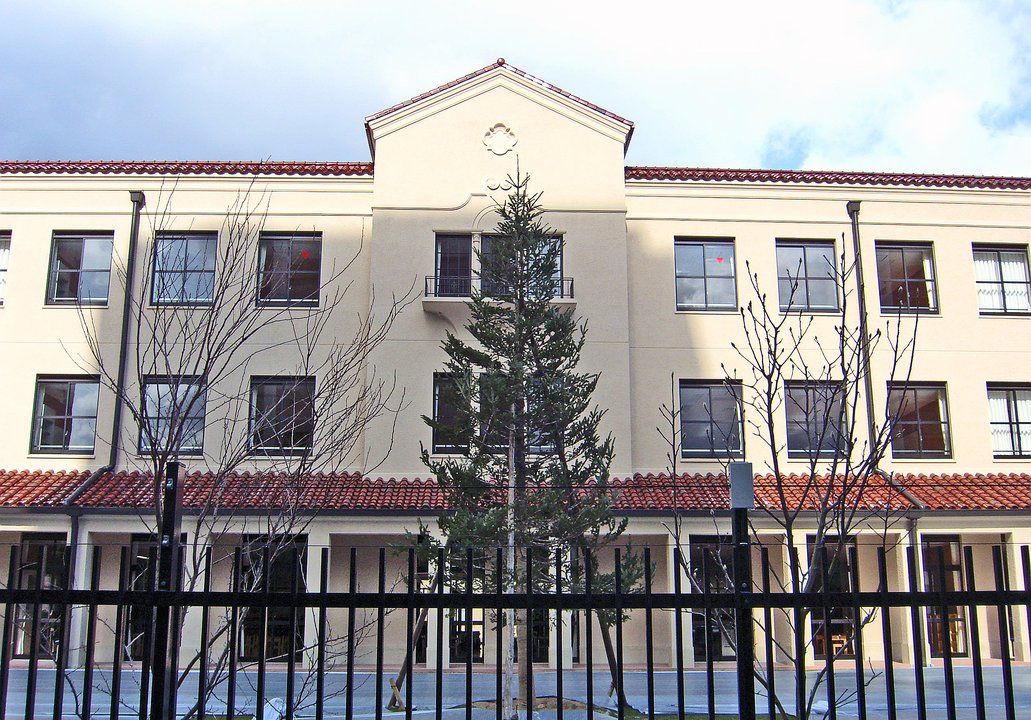
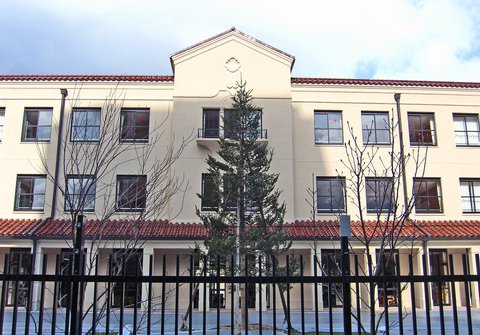
The ballpark came down. The site became a film studio, then the Takarazuka Familyland amusement park, and since April 2008 it has been Kwansei Gakuin Elementary School, with high-rise flats nearby. There is no monument and no trace. Fifteen minutes' walk from Takarazuka station, past the Grand Theatre, you arrive at a school playground with children shouting in it.
That is a fair ending for a ground that was always the resort's spare land — and it is where both of Japan's first two attempts at a professional club were housed.
Coordinates 34.806489, 135.352419 — Kwansei Gakuin Elementary School, on the ballpark site; ±90 m, OSM map-verified, pending on-site check. This is a working primary school; view it from the street.
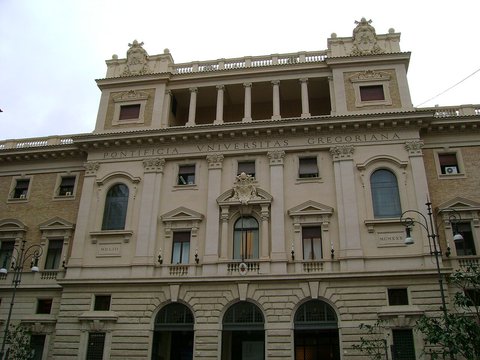
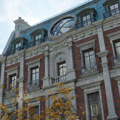
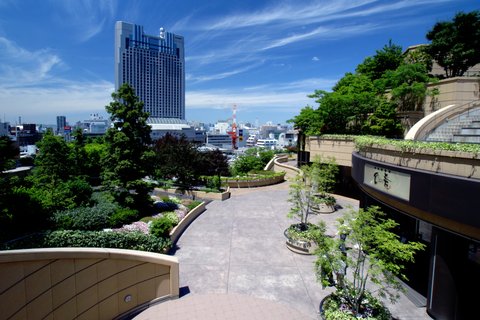
Cover: Kwansei Gakuin Elementary School, photographed 24 August 2009, CC BY-SA 3.0, via Wikimedia Commons. It shows the school on the site; nothing of the ballpark survives.












































 expand_more