NPB History | Hanshin Koshien Stadium — Named for a Year That Comes Once in Sixty
volume_up
Listen
directions
Directions
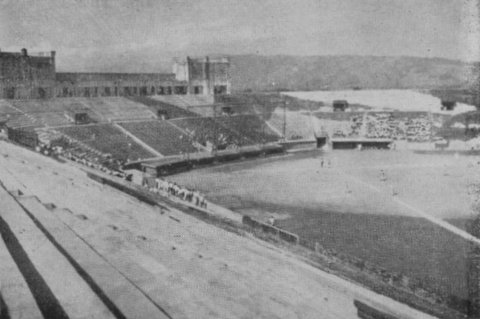
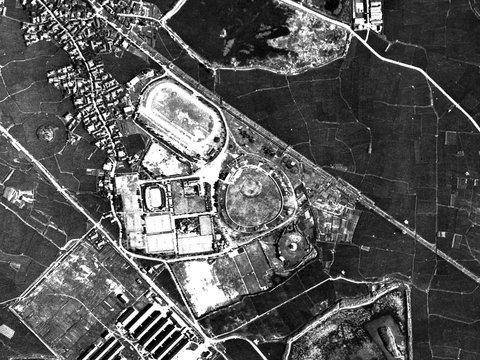
At seven in the morning on 1 August 1924 a thousand invited guests stood on new ground in Naruo village for a completion ceremony. Then two and a half thousand schoolchildren from the towns between Osaka and Kobe came on and held an athletics meet. That was the opening of the ballpark now known simply as Koshien.
The name is a calendar joke that stuck. 1924 was a kinoe-ne year — the first of the ten heavenly stems meeting the first of the twelve earthly branches, a conjunction that comes round once every sixty years. Hanshin Electric Railway, which was developing the district as much as building a stadium, took the two characters and named the whole area Koshien and the ground the Koshien Great Athletic Field. Ground had been broken on 11 March. It was finished in roughly four and a half months.
It was built because the national middle-school championship had outgrown its previous home. The model, according to Nippon Professional Baseball's own account, was the Polo Grounds in New York, then home of the Giants. Total capacity ran to around eighty thousand with fifty thousand seated, a scale nothing else in Japan approached. The tenth national tournament opened here on 13 August 1924, twelve days after the ground did. Ivy was planted that December.
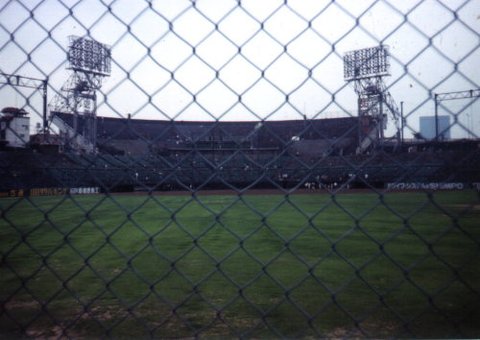
The Alps Stand went up in 1929 and the outfield stands were rebuilt to their present scale in 1936. The 1929 work is the point at which Koshien stopped being a general athletic ground and became a ballpark — which is why, although it opened two years earlier, Meiji Jingu Stadium is the older of the two survivors as a purpose-designed baseball field. In 1935 the Osaka Tigers were founded and Koshien became the main professional ground in Kansai. It is the oldest ballpark still serving as a professional home in Japan.
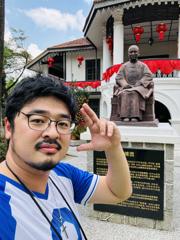
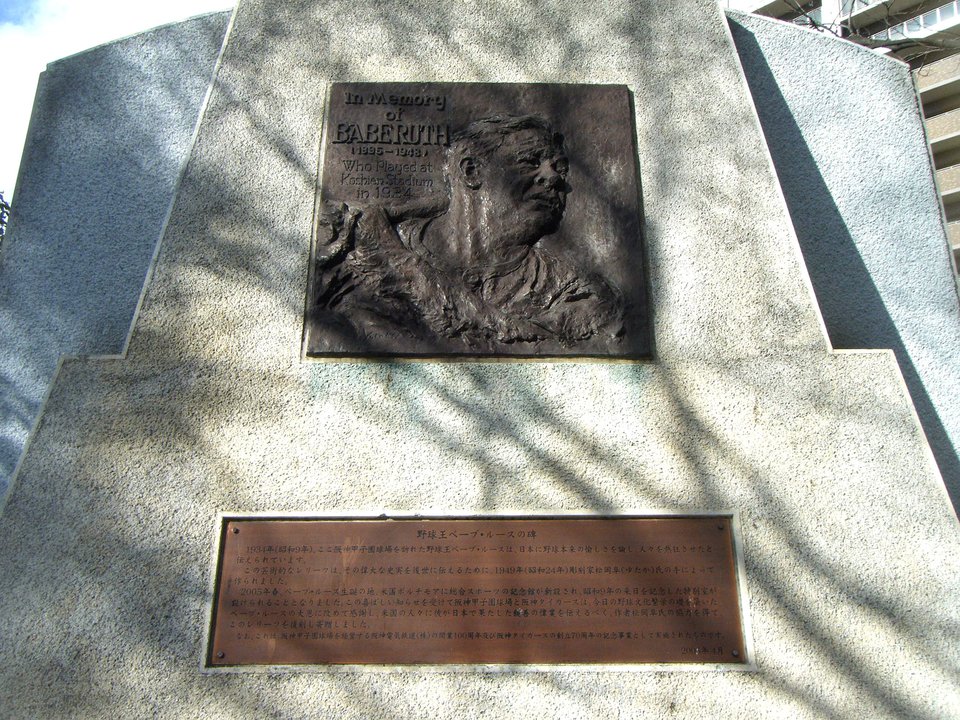
In 1934 a touring American all-star side came to Japan with Babe Ruth in it, and the Japanese team assembled to face them became the club now called the Yomiuri Giants. Ruth died in 1948; the following year a memorial to him was raised at Koshien. It stands today in Mizuno Square outside the ground — a bronze relief of his face, an English inscription, and a Japanese plaque beneath.
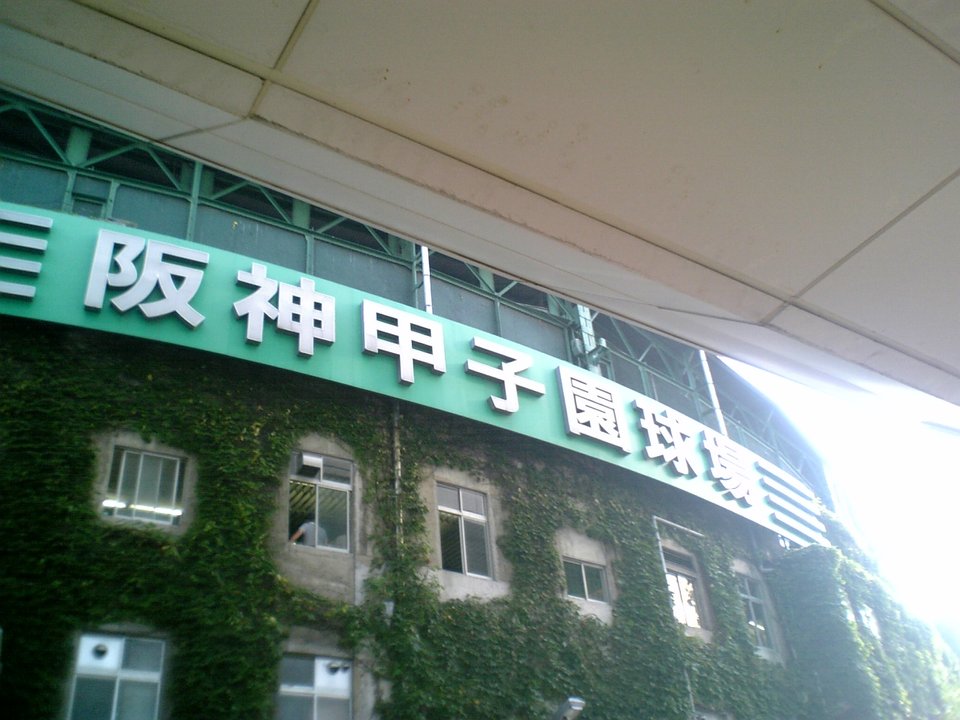
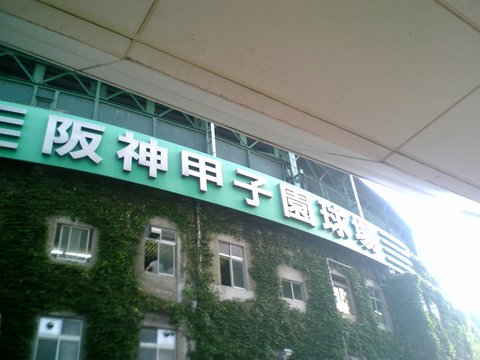
The renovation that ran through the off-seasons from 2007 to 2010 meant cutting the ivy back in 2006. It came back in March 2009. In 2000, to mark the last summer championship of the twentieth century, cuttings of the Koshien ivy had been sent to every member school of the high school baseball federation; the healthiest of those were brought home and replanted, and a plaque records the names of the 233 schools that took part.
Walk the outer wall and find that plaque. The ivy on the brick above it grew up somewhere else and came back.
Coordinates 34.721372, 135.361647 — the stadium; ±30 m, OSM map-verified, pending on-site check.
Cover: the Koshien facade under ivy, photographed in July 2006 by Ryo (ryosalem), CC BY 2.0 — the growth as it was before the 2006 cut. Second image: the Babe Ruth memorial in Mizuno Square, photographed 7 February 2016 by Hirojin taja, CC BY-SA 4.0. Both via Wikimedia Commons.




































 expand_more