NPB History | Fujiidera Stadium Site — A Bronze Boy Where the Buffaloes Played
volume_up
Listen
directions
Directions
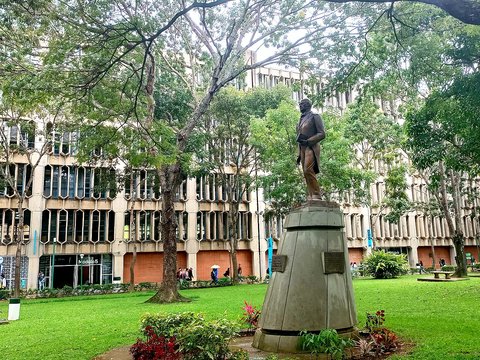
A bronze boy in a baseball cap sits on a ball the size of a boulder, elbows on knees, chin in his hands, looking at something a long way off. He is called Hakkyū no Yume — the dream of the white ball — and he stands just east of a school gate in Fujiidera. On the plinth below him is a plate cut in the shape of home plate: Kintetsu Buffaloes home ground, site of Fujiidera Stadium, 1928–2005.
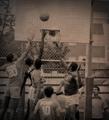
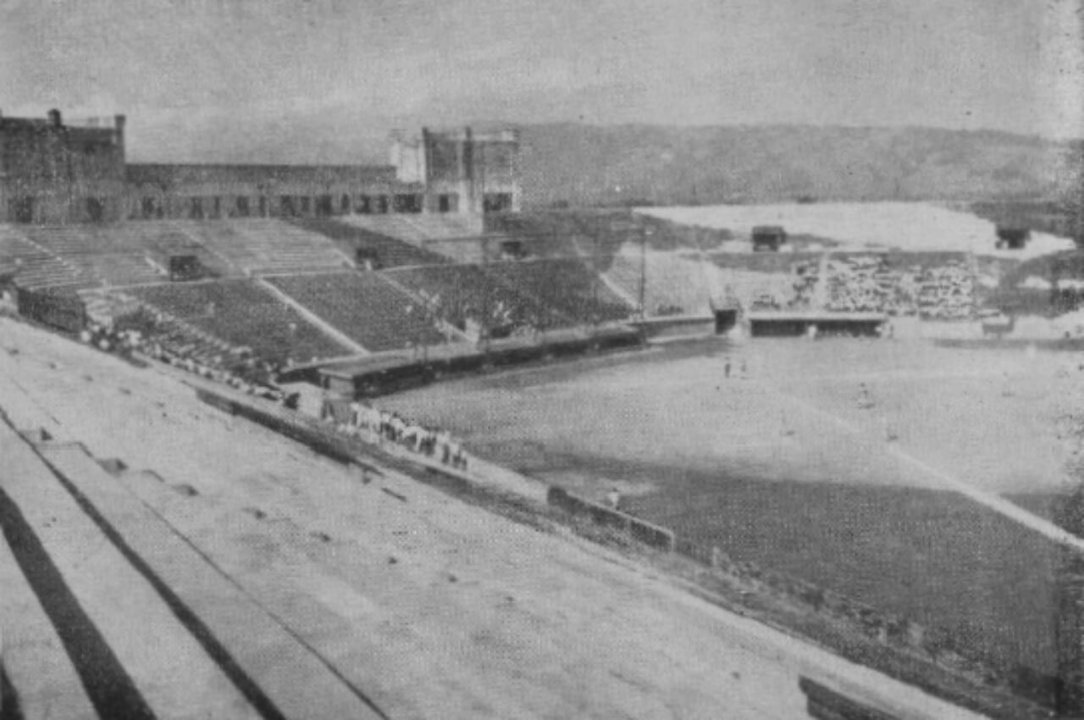
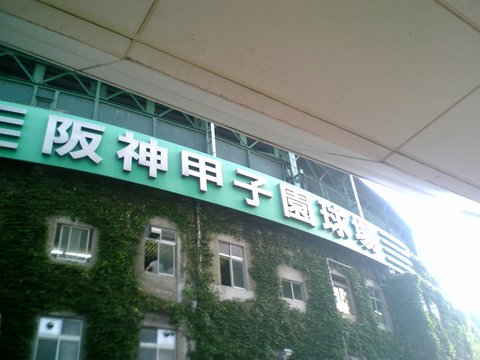
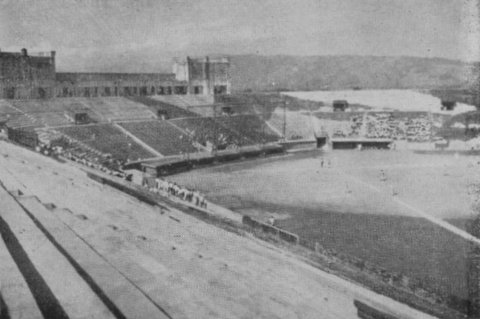
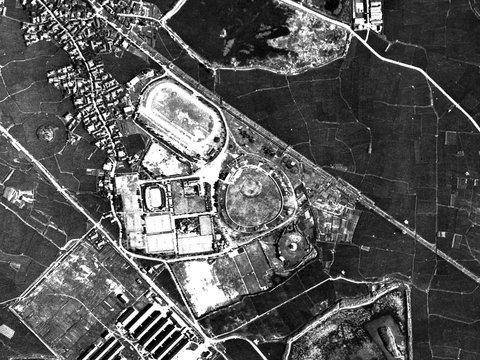
The ballpark was finished in 1928, four years after Koshien and for the same commercial reason. Osaka Railway, later absorbed into Kintetsu, was developing the land along its line and wanted a reason for people to ride out here, exactly as Hanshin Electric Railway had done at Koshien. Capacity was given as seventy thousand. An iron canopy ran over the infield stands all the way out to both foul poles.
Before the war it was an amateur ground. Professional baseball arrived only in 1946, when Hanshin played Pacific here on 30 April and then, on 3 May, met the Giants in the first postwar edition of the fixture that had started at Susaki ten years earlier. When the sport split into two leagues in 1949, Kintetsu founded a club, joined the Pacific League and made Fujiidera its exclusive ground from 1950 — the Kintetsu Pearls, later the Buffaloes. With the franchise system settled in 1952 it became a home ground in the formal sense.
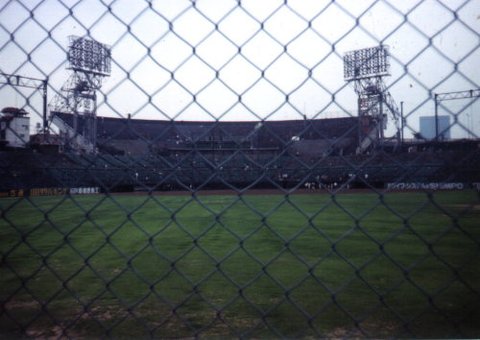
It spent most of its life without floodlights, which is a serious thing for a professional ballpark to lack: it constrained the schedule, the crowds and the fixtures the club could be given.
In 1997 the Buffaloes moved to the new Osaka Dome, now Kyocera Dome Osaka, and Fujiidera dropped back to second-string use. Then in 2004 the club itself was merged out of existence with Orix, and the ground had nothing left to be. It closed in January 2005 and was demolished in 2006.
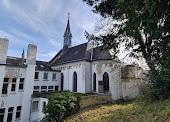
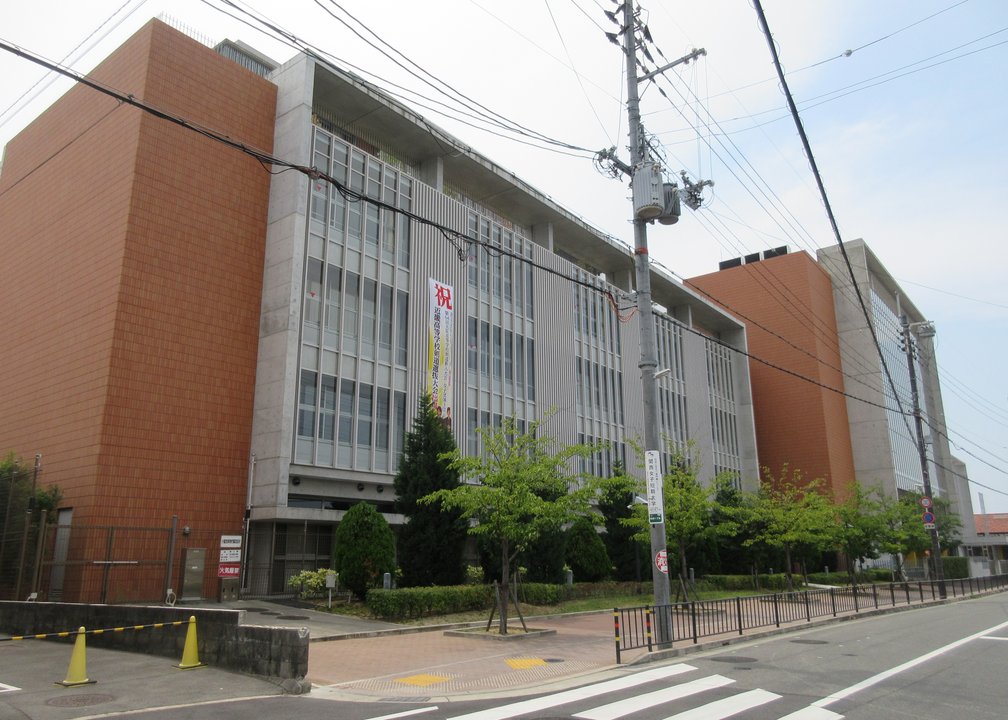
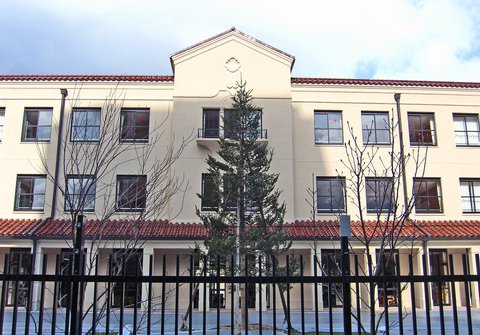
Kintetsu sold roughly 33,000 square metres of the northern part of the site to Shitennoji Gakuen on the understanding it would be used for education, and the local view that the neighbourhood should stay quiet was part of the decision. The elementary school opened in April 2009, the junior high in 2014, the high school in 2017. Housing went up on the southern part. The monument was commissioned jointly by Fujiidera City, Kintetsu and Shitennoji Gakuen, and sculpted by Tamano Seizō.
Go and look at the boy. He is a memorial to a club that no longer exists, on a ground that no longer exists, put up by the railway that closed them both.
A note on the date: the sources consulted agree the ballpark was completed in 1928 but do not agree on a day, so this entry carries the year alone rather than a precise opening date.
Coordinates 34.570784, 135.590630 — Shitennoji Elementary School; the monument stands east of the main gate. ±80 m, OSM map-verified, pending on-site check.
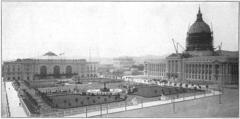
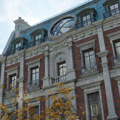
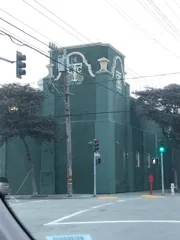
Cover: Fujiidera Stadium in July 1948, photographer unknown, public domain, via Wikimedia Commons. Second image: the Shitennoji Gakuen buildings that occupy the site today, photographed 11 August 2018 by KishujiRapid, CC BY-SA 4.0, via Wikimedia Commons.





































 expand_more