Finance History | Fuggerei, Augsburg, 1521 — Five Centuries of Rent That Was Never Meant to Cover the Cost
volume_up
Listen
directions
Directions
The rent has never gone up because the rent was never supposed to pay for anything.
Jakob Fugger of Augsburg made his fortune in textiles, in silver and copper mining, and in lending to the Habsburgs, and by the 1510s he was probably the richest man in Europe.
In 1521 he signed a deed of foundation creating a walled settlement of small houses for needy citizens of Augsburg. Building had begun some years earlier, and Wikipedia dates the founding to 1516 while most sources use the 1521 deed; the day of that deed is given as both 2 August and 23 August.
The terms have not changed since. A tenant must be a Catholic, a resident of Augsburg, in genuine need and of good character. The rent is one Rhenish florin a year, which converted to 88 euro cents, and three prayers daily for the Fugger family.
That rent covers essentially none of the cost of keeping the place standing, and it was never meant to.
Fugger endowed the foundation with 10,000 florins and the settlement was to live on the income. Since the eighteenth century that income has come chiefly from forestry, with property and visitor admissions alongside it.
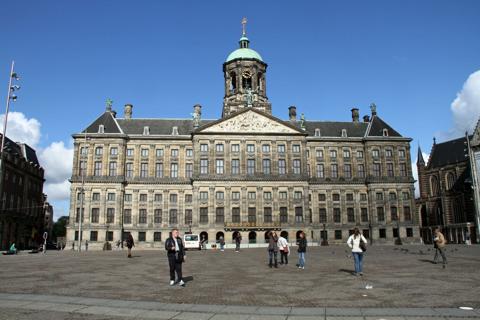
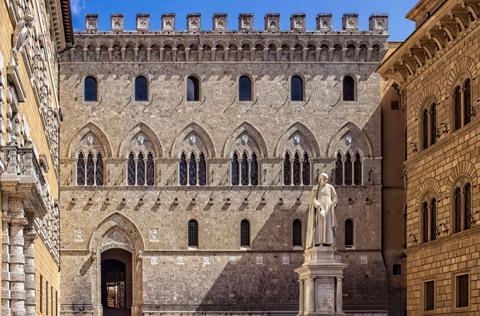
This is the same device as the banks elsewhere in this collection, pointed somewhere else. Genoa put customs duties behind its consolidated debt, Siena put Maremma grazing income behind its depositors, and Augsburg put timber behind a housing charity.
The difference is that this one still works. The Casa di San Giorgio ended under Napoleon and the Wisselbank died of lending out the metal it was supposed to be holding, while the Fuggerei's endowment has carried it for five centuries.
It has needed to. The settlement came through the Thirty Years' War, when Augsburg was fought over repeatedly, and on the nights of 25 and 26 February 1944 allied bombing destroyed most of it. Accounts of how much vary between roughly half and about three quarters. The residents sheltered in a bunker dug in 1943, which is now part of the museum.
It was rebuilt out of the same endowment.
Around 150 people live there now, in roughly 140 apartments across 67 buildings, behind gates that are still shut at night. The Fugger family administers the foundation into its nineteenth generation.
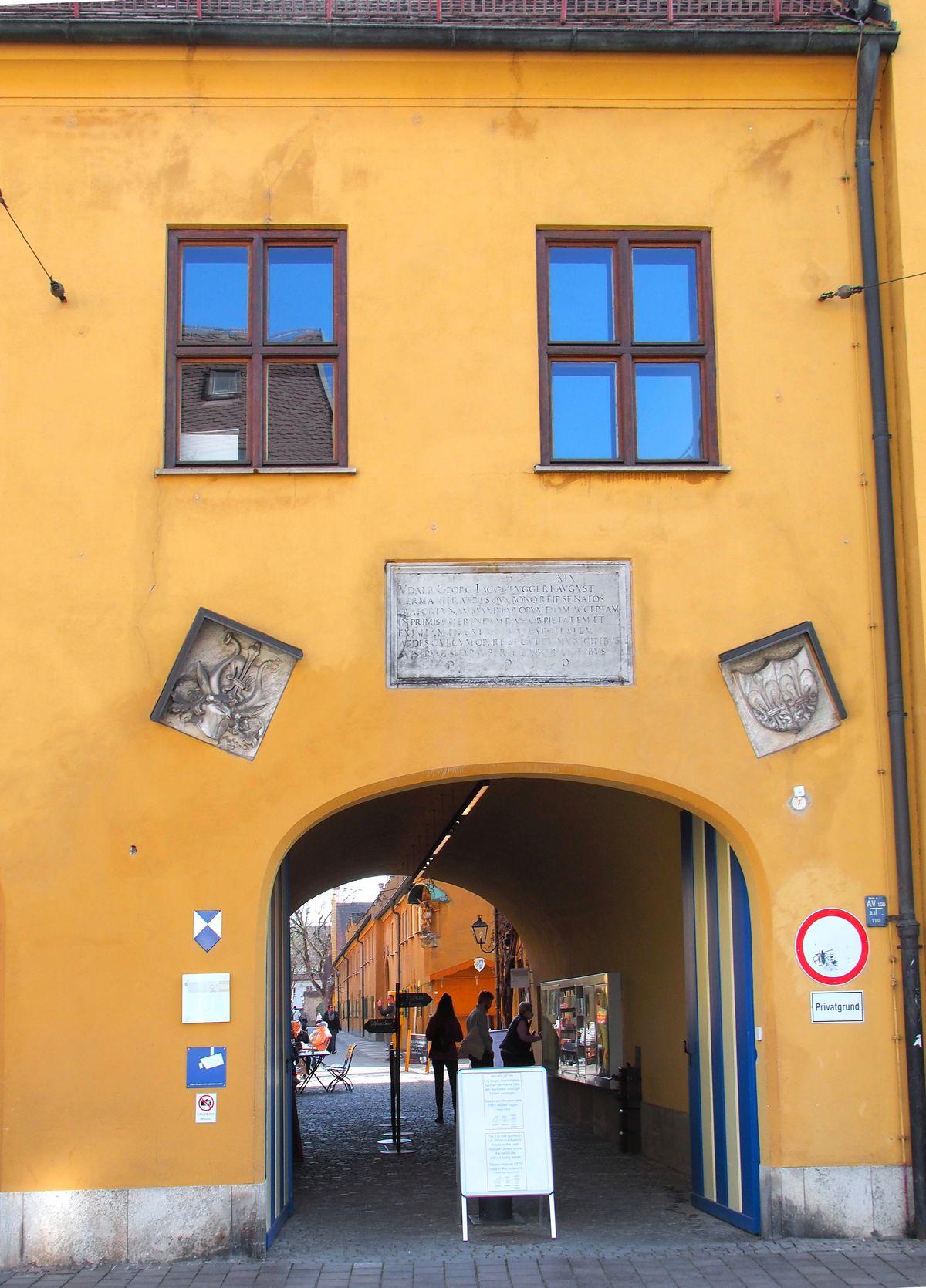
The gateway in the cover photograph carries the founders' dedication tablet and the Fugger arms, and the street beyond it is the one the residents live on. Visitors pay admission, which is part of what keeps the rent where it is.
Cover photo: Hajotthu, CC BY-SA 3.0, via Wikimedia Commons.
Coordinates 48.369042, 10.903678, resolved by Nominatim for the Fuggerei as a city block in Jakobervorstadt-Süd. Accurate to about 60 m; the settlement is a walled enclave rather than a single building, and there is an information board at 48.369572, 10.903822.












 expand_more