Finance History | Bank of England, Threadneedle Street, 27 July 1694 — A Loan That Was Never Meant to Be Repaid
volume_up
Listen
directions
Directions
England was losing a war to France and running out of money to fight it. The solution was to stop trying to repay the debt and turn it into an institution instead.
William Paterson, a Scottish financier, had proposed a public bank in 1691 and been turned down. Part of the objection was that the idea came from Holland, and there was a feeling that the country had acquired quite enough Dutch things already, the king among them.
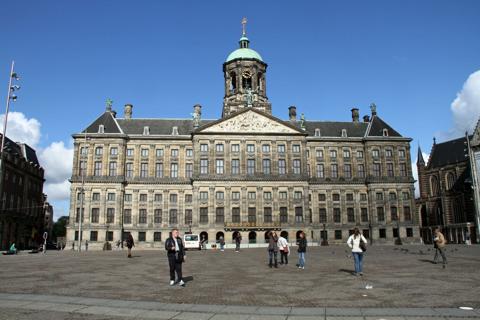
The model was explicitly the Amsterdamsche Wisselbank, in business on the Dam since 1609. What England built was not the same thing at all.
The Wisselbank was a deposit bank: it held your coin and let you move balances. The Bank of England was a lending bank with exactly one borrower to begin with, and that borrower was the Crown.
The deal was this. A syndicate would subscribe £1.2 million, lend the whole of it to the government at 8 per cent plus £4,000 a year for management, and in return be incorporated with the right to take deposits, make loans and issue notes.
The subscription opened on 21 June 1694 and was filled within twelve days. The Royal Charter creating the Governor and Company of the Bank of England was sealed on 27 July. Sir John Houblon, a London merchant of Flemish descent, was the first Governor; Paterson was one of twenty-four directors.
Now the mechanism, which is the whole of modern public finance in one move.
The £1.2 million was never meant to be paid back. It sat as the Bank's capital, the government paid interest on it forever, and the subscribers held a claim they could sell to somebody else rather than a loan they were waiting to have repaid.
A debt that never matures is not a burden in the way a debt that falls due next year is. England could borrow at scale and keep borrowing, and it did, for the next two centuries.
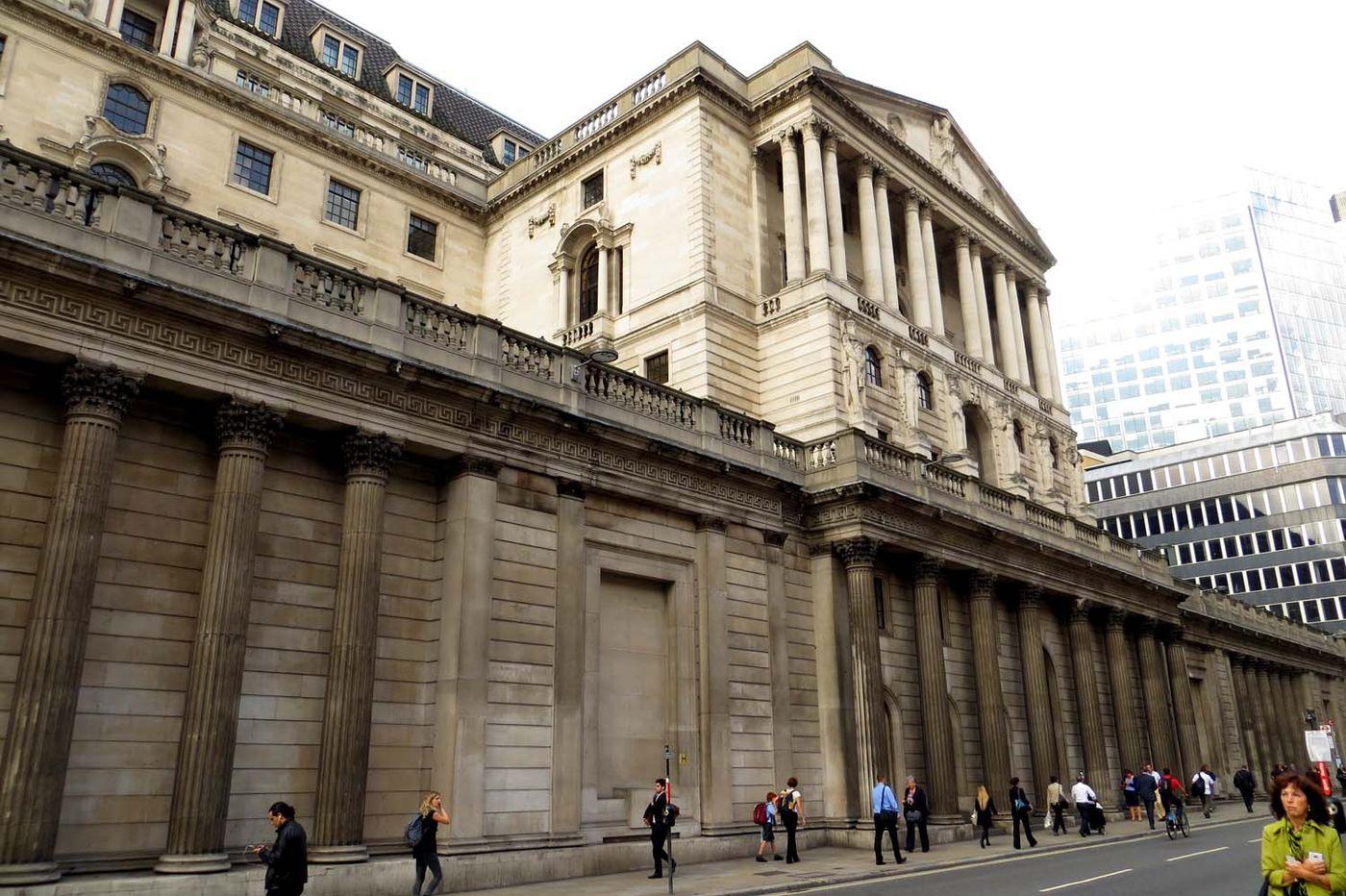
The Bank opened for business on 1 August 1694 at Mercers' Hall in Cheapside with nineteen staff, moved to Grocers' Hall that December, and only acquired its own premises on Threadneedle Street in June 1734, forty years after its founding.
Watch the dates in the Bank's own archive publication on this, which in one place prints 1754 for the Threadneedle Street move. Its own title gives the sequence correctly: 1734.
The nickname came later. The Old Lady of Threadneedle Street first appeared in a James Gillray cartoon of 1797, drawn when the government's demands for gold had forced the Bank to suspend payment of its notes in metal and issue £1 and £2 notes for the first time.
No other joint-stock bank was permitted in England and Wales until 1826.
What the Bank became is described elsewhere in this collection. In 1866 it refused to save Overend Gurney and lent freely to everyone else, a two-part decision that Walter Bagehot turned into the doctrine central banks still cite.
Cover photo: Steve Daniels, CC BY-SA 2.0, via Geograph and Wikimedia Commons.
Coordinates 51.514162, -0.088939, resolved by Nominatim for the Bank of England on Threadneedle Street. Accurate to about 40 m. The Bank of England Museum has its own entrance on Bartholomew Lane and is free.





_thumbnail.jpg)





 expand_more