Finance History | Royal Exchange, Cornhill, London, 1571 — Gresham Copied Antwerp, and Shipped the Stone Over Too
volume_up
Listen
directions
Directions
Thomas Gresham did not only borrow Antwerp's idea. He had the materials shipped over as well.
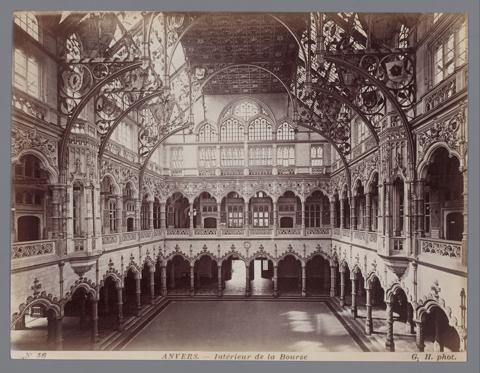
Gresham had spent years in Antwerp as the English crown's financial agent, doing business in and around the Nieuwe Beurs of 1531. In 1565 he put a bargain to the City of London: he would build a bourse at his own expense if the Corporation found him a site.
His factor Richard Clough handled the importing. Stone, slate, wainscot and glass came from Antwerp, paid for out of Clough's own pocket in the first instance, and a Flemish builder was engaged.
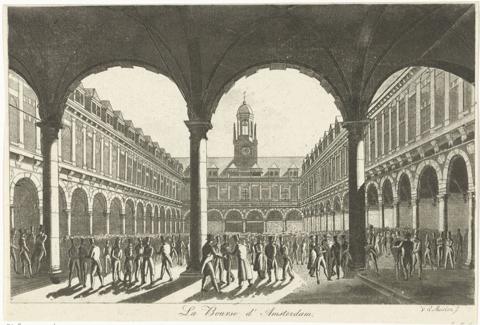
The first stone was laid on 7 June 1566. What went up was recognisably the Antwerp plan: a quadrangle with a covered walk round the inside, a gallery above it, and a bell-tower on the Cornhill front carrying a grasshopper, the Gresham family crest.
The opening date is the thing to be careful with. Elizabeth I came from Somerset House, dined with Gresham at his house in Bishopsgate Street, then entered the building and had a herald proclaim it the Royal Exchange.
Period sources date that day 23 January 1570. Modern ones date it 23 January 1571.
Both are correct. The English year began on 25 March until 1752, so a January date fell in what we would now call the following year, and careful older writers split the difference by printing it as 1570-71.
The upper floor is what made the thing work. Gresham lined the gallery with something over a hundred small shops and let them out, so the rents from selling mousetraps, birdcages and armour paid for the trading floor underneath.
An exchange could not easily charge merchants for standing on its own flagstones, so it charged shopkeepers instead. Britain's first purpose-built commercial building was funded by what amounted to its first shopping arcade.
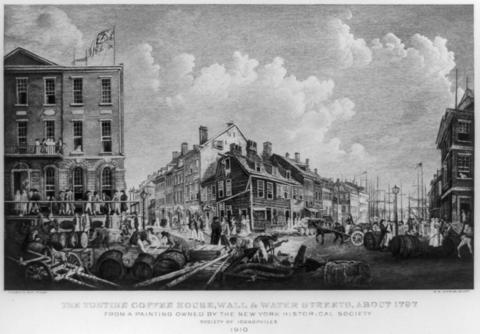
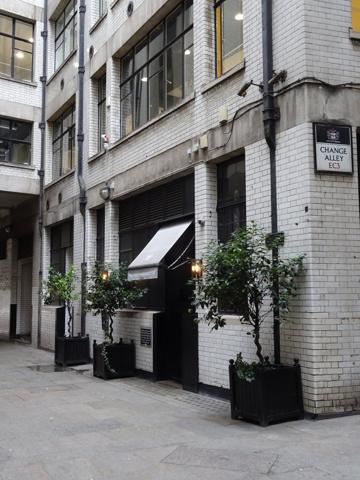
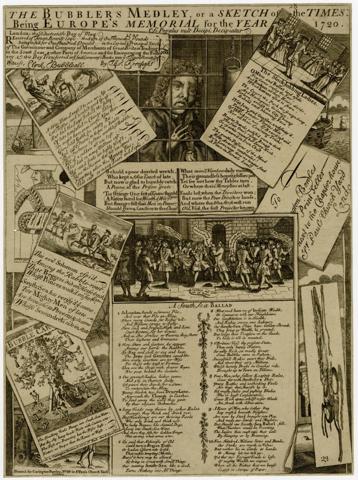
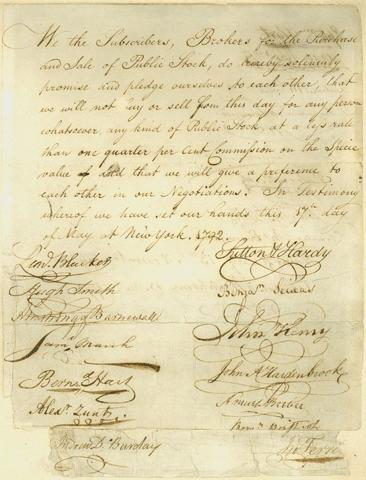
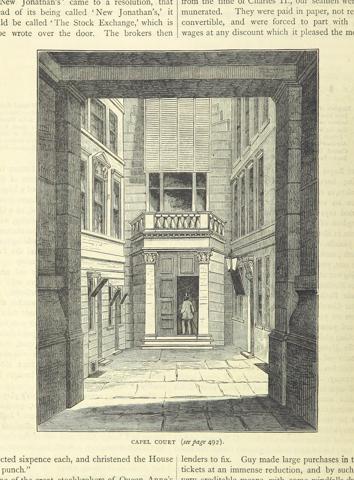
Only goods were exchanged here for the first century or so. Dealers in stocks arrived later and were pushed out again in 1698, which is how the securities trade ended up in the coffee houses of Change Alley, a two-minute walk south.
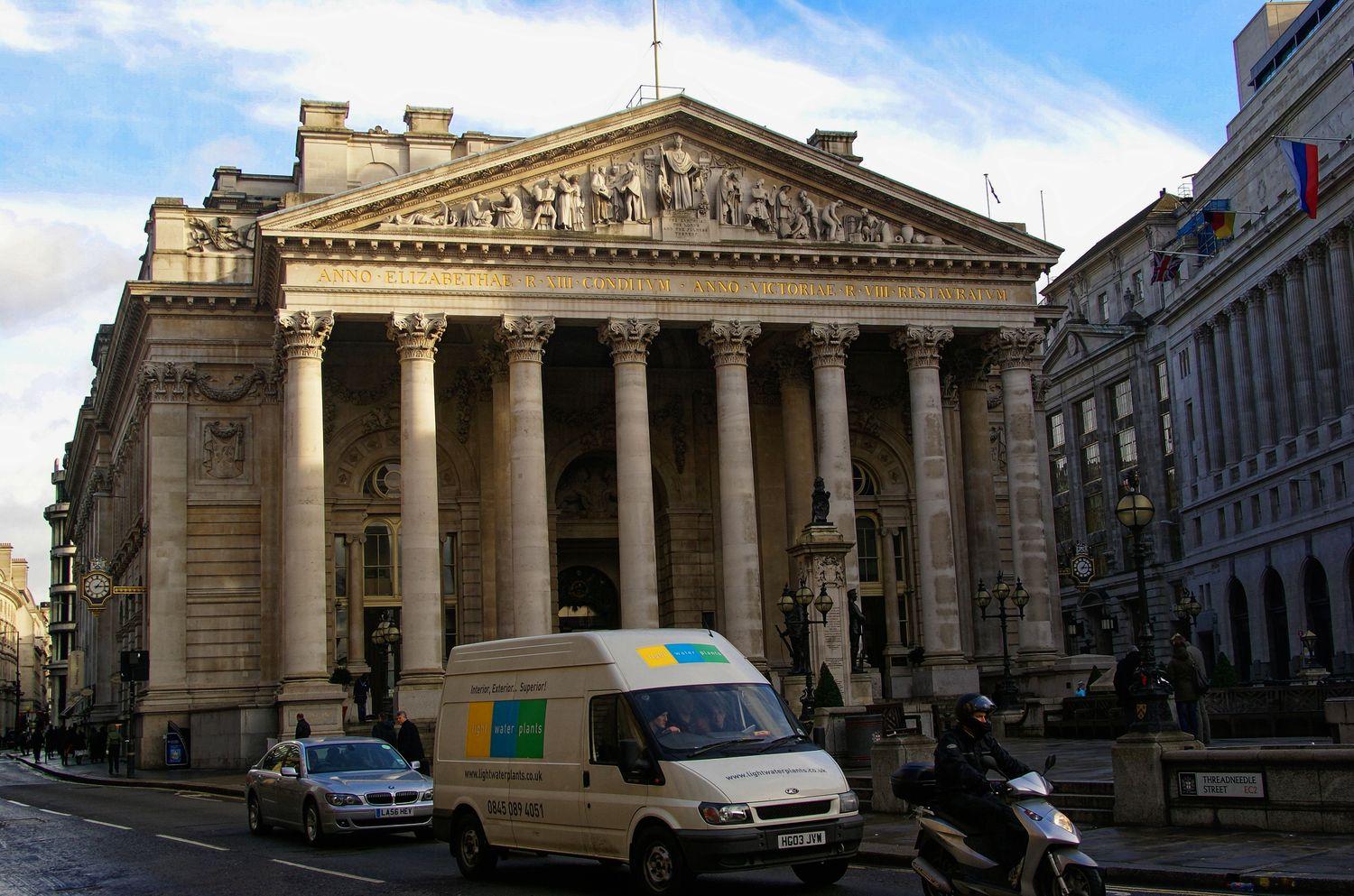
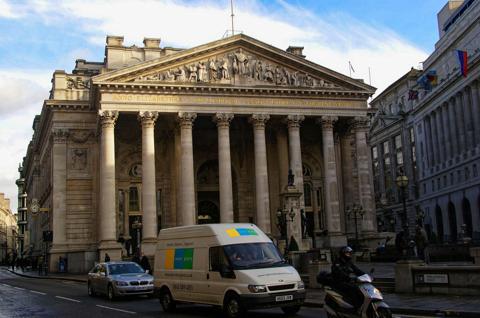
The first building burned in the Great Fire of 1666. Edward Jerman's replacement opened to merchants in 1669 and burned in January 1838, and William Tite's third building, the one standing now, was opened by Queen Victoria on 28 October 1844.
The City of London Corporation and the Mercers' Company still jointly own the freehold. In 2001 the courtyard was remodelled for luxury retail and restaurants, which means the building has quietly returned to being what its gallery always was.
Cover photo: Txllxt TxllxT, CC BY-SA 4.0, via Wikimedia Commons, showing Tite's 1844 portico on Threadneedle Street.
Coordinates 51.513645, -0.087214, resolved by Nominatim for the Royal Exchange on Cornhill and agreeing with the published coordinate for the building to within about five metres.





 expand_more