
- Home
- Finance History | Tulipmania | Leiden, Alkmaar, Amsterdam and Haarlem
- Finance History | Oudebrugsteeg, Amsterdam, 6 February 1637 — A Handshake, Wine Money, and a Buyer Who Changed His Mind
Finance History | Oudebrugsteeg, Amsterdam, 6 February 1637 — A Handshake, Wine Money, and a Buyer Who Changed His Mind
· 1637-2
Personal memoryBy kevin · · updated · Report an issue
Find memories left by people near you.

Distribute Bounty
This will distribute the bounty equally among all qualifying memories. This action cannot be undone.
Cancel Bounty
Are you sure you want to cancel this bounty? The remaining amount will be refunded to your account.
Success!
Operation completed successfully.
Error
Something went wrong.
Finance History | Oudebrugsteeg, Amsterdam, 6 February 1637 — A Handshake, Wine Money, and a Buyer Who Changed His Mind
kevin
On a Friday night in this alley, a Haarlem cooper sold a pound of Switser tulip bulbs for 1,100 guilders in 1637 money, about the price of a decent house.
By the next morning the buyer was looking for a way out.
The tavern was the Menniste Bruyloft, a drinking house and music room in the Oudebrugsteeg known for its curiosities and its water organ, and a regular haunt of the bloemisten who traded bulbs.
On 6 February 1637, Andries de Busscher put the Switsers up and Joost van Cuyck bought them.
The deal closed the way deals closed here. A witness shook Van Cuyck's hand and wished him joy of the purchase, and the buyer paid wijnkoop, the wine money that stood drinks for the room, plus two shillings for the poor.
In the tulip colleges that fee ran at 2.5 per cent of the trade, capped at three guilders.
Those gestures were the settlement system, and there was nothing behind them. No clearing house stood between the parties, no margin was posted at the start or adjusted as prices moved, and each contract bound two named men rather than an institution.
The Dutch called the whole business windhandel, air trade, because no bulb ever moved.
It happened in a tavern rather than at the exchange for a hard legal reason. An edict of 1610, repeated in 1621, 1630 and 1636, banned short selling, and although nobody was prosecuted under it, the effect was that forward contracts were treated as unenforceable.
A trader facing a loss could therefore walk away, which is precisely what happened next.
The following morning De Busscher brought his brother-in-law to the open-air exchange to stand surety for delivery, and Van Cuyck said he would prefer a guarantor of his own choosing and needed to think about it.
By the 7th he had heard about the fall in prices. Over the following days the witnesses went to notaries in Amsterdam and Haarlem to put what they had seen on record.
Anne Goldgar's archival work turns this small default into the point of the whole episode. Very little money was actually lost, because very little had actually been paid.
What broke was the assumption that a handshake in front of witnesses meant something.
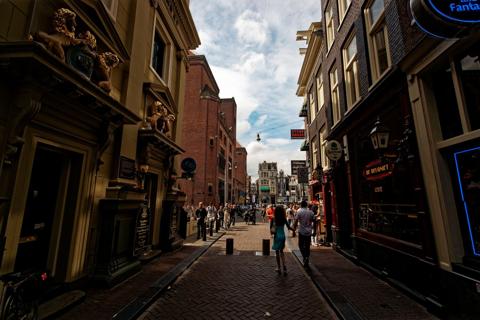
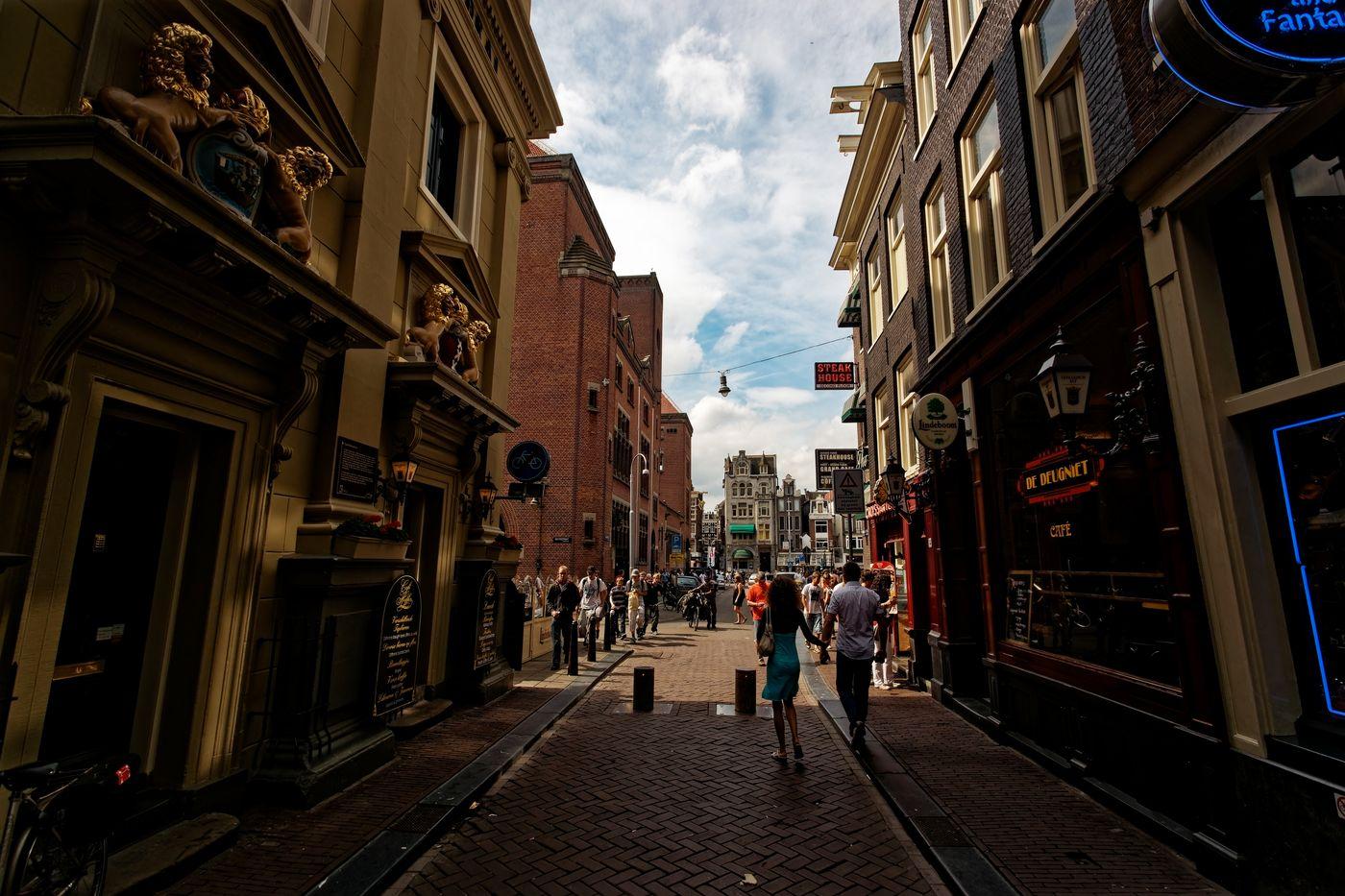
The alley still runs from the Damrak to the Warmoesstraat, still narrow, still lined with places to drink. The exact house is not identified in the record, so this pin marks the street.
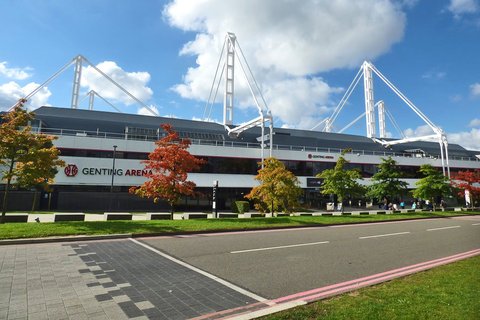
Photo: Txllxt TxllxT, CC BY-SA 4.0, via Wikimedia Commons.
changes?
delete this memory?
We detected that you have a Blox in your crypto wallet! We will import the Blox into your account.
Click on done below to complete the import.
Welcome Back!
Sign in to preserve cherished moments
Don't have an account?
Welcome!!
Sign up and start preserving cherished moments
?
?
Choose your payment method
Buy with Metablox Credit
Do you want to mint Blox with Metablox Credit?
Which Crypto would you like to use?
Purchase Confirmed!
Your Blox is being minted on-chain and will appear in your profile shortly.
Log in or sign up to claim your Blox.
How many credits do you want to buy?
$100 USD = 1 Metablox Credit = 1 Blox.
Use Metablox Credit to mint any Blox you want on the map.
expand_more