
- Home
- Semiconductor History | The DRAM Wars | Boise, Tokyo, Hiroshima, Dresden, Hsinchu, Syracuse and San Francisco
- Semiconductor History | 聯華電子, 新竹 — The Trade Secret Case, and How It Actually Ended
Semiconductor History | 聯華電子, 新竹 — The Trade Secret Case, and How It Actually Ended
· 2018-11
Personal memoryBy kevin · · updated · Report an issue
Find memories left by people near you.

Distribute Bounty
This will distribute the bounty equally among all qualifying memories. This action cannot be undone.
Cancel Bounty
Are you sure you want to cancel this bounty? The remaining amount will be refunded to your account.
Success!
Operation completed successfully.
Error
Something went wrong.
Semiconductor History | 聯華電子, 新竹 — The Trade Secret Case, and How It Actually Ended
kevin
On 1 November 2018 the United States Department of Justice unsealed an indictment charging 聯華電子, the Chinese state-owned 福建省晉華集成電路, and three individuals with conspiring to steal DRAM trade secrets from Micron.
The engineers at the centre of it had worked at Micron's Taiwanese operation — the Taichung fab Micron had acquired along with Elpida five years earlier — and had then moved to UMC in 新竹.
According to the department, one of them used a Micron file to adjust UMC's design rules for the memory in question.
When Taiwanese investigators searched UMC's offices, staff were asked to hide laptops, USB drives, notes and phones. One of two off-network laptops was never recovered and the other had been reformatted.
The commercial context was a joint development agreement between UMC and Jinhua, which was building a DRAM plant in Fujian for a country that had decided to stop importing its memory.
The litigation ran in both directions at once.
Micron sued in California in December 2017. UMC sued Micron for patent infringement in the Fuzhou Intermediate People's Court, which in July 2018 ordered the Micron defendants to stop making and selling certain products in China.
In October 2018 the US Commerce Department added Jinhua to its entity list, cutting off its access to American equipment.
UMC suspended the joint work with Jinhua and, on 28 October 2020, pleaded guilty in San Francisco to one count of receiving and possessing a stolen trade secret. It paid a $60 million fine, among the largest ever in a criminal trade-secrets case, and agreed to help prosecute its co-defendant.
Then the case ended in a way few had predicted.
In February 2024, after a trial without a jury, US District Judge Maxine Chesney found 福建省晉華集成電路 not guilty. The court held that prosecutors had not proved the Chinese company misappropriated Micron's data.
Micron and Jinhua had already settled their civil claims and dismissed everything between them. The indictment had been brought under a Justice Department programme that was subsequently disbanded.
The record therefore reads: the Taiwanese foundry convicted on its own plea, the Chinese state enterprise acquitted at trial, and the American company whose files started it still the only DRAM maker headquartered in the United States.
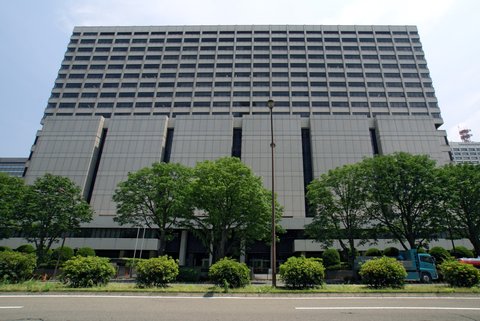
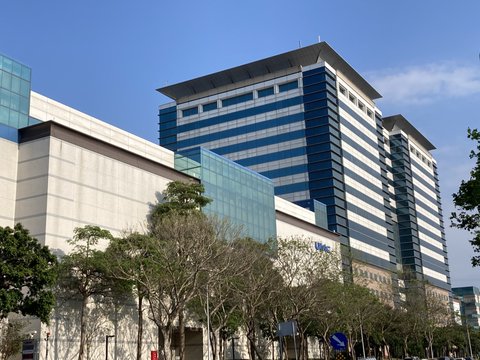
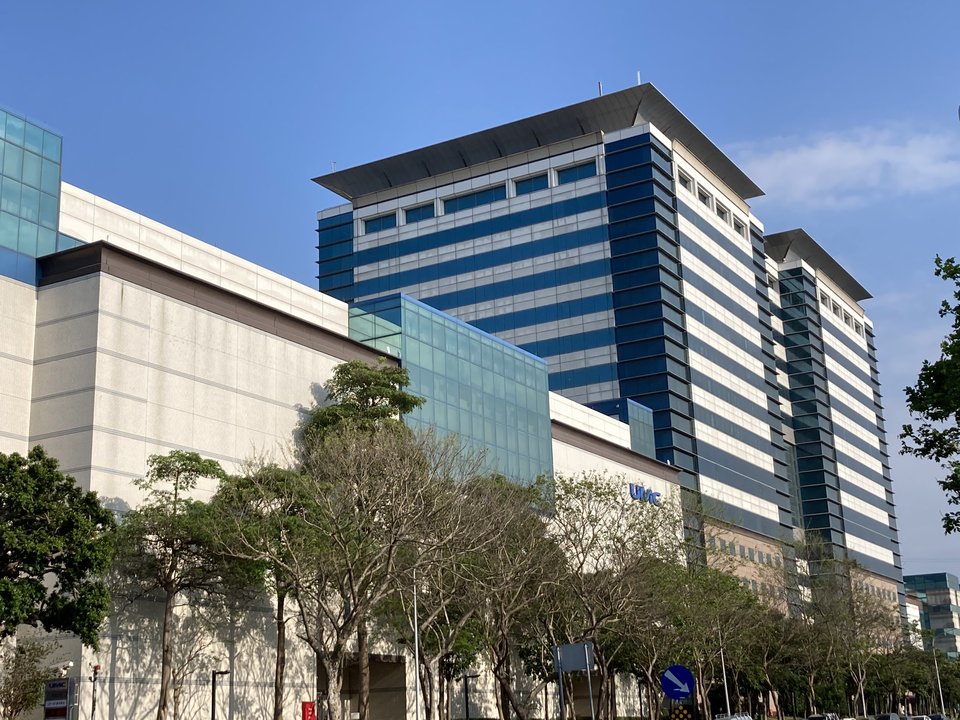
The photograph is UMC's 聯合大樓 in 新竹科學園區. The roads through the park are public streets; the buildings on either side are not.
Photo: ABOVE THE SKY, CC BY-SA 4.0, via Wikimedia Commons
changes?
delete this memory?
We detected that you have a Blox in your crypto wallet! We will import the Blox into your account.
Click on done below to complete the import.
Welcome Back!
Sign in to preserve cherished moments
Don't have an account?
Welcome!!
Sign up and start preserving cherished moments
?
?
Choose your payment method
Buy with Metablox Credit
Do you want to mint Blox with Metablox Credit?
Which Crypto would you like to use?
Purchase Confirmed!
Your Blox is being minted on-chain and will appear in your profile shortly.
Log in or sign up to claim your Blox.
How many credits do you want to buy?
$100 USD = 1 Metablox Credit = 1 Blox.
Use Metablox Credit to mint any Blox you want on the map.
expand_more