
- Home
- Semiconductor History | The DRAM Wars | Boise, Tokyo, Hiroshima, Dresden, Hsinchu, Syracuse and San Francisco
- Semiconductor History | 8000 South Federal Way, Boise — The Potato Money That Kept America in DRAM
Semiconductor History | 8000 South Federal Way, Boise — The Potato Money That Kept America in DRAM
· 1978-10
Personal memoryBy kevin · · updated · Report an issue
Find memories left by people near you.
Distribute Bounty
This will distribute the bounty equally among all qualifying memories. This action cannot be undone.
Cancel Bounty
Are you sure you want to cancel this bounty? The remaining amount will be refunded to your account.
Success!
Operation completed successfully.
Error
Something went wrong.
Semiconductor History | 8000 South Federal Way, Boise — The Potato Money That Kept America in DRAM
kevin
Micron Technology was incorporated on 5 October 1978 in the basement of a dentist's office in Boise, Idaho.
Four men signed: the twin brothers Ward and Joe Parkinson, Dennis Wilson and Doug Pitman. Three were chip designers out of Mostek in Texas, and Joe was a Boise lawyer.
They were a design consultancy with one customer and about $300,000 raised from local businessmen who knew nothing about semiconductors.
Then the customer went away.
What saved them was potato money. J. R. Simplot, who had made a fortune supplying frozen French fries to McDonald's, put up the capital that turned a design shop into a manufacturer, and in 1980 Micron built its first fab on desert ground southeast of town.
By 1981 it was making its own 64-kilobit DRAM.
The timing was terrible. Between 1978 and 1986 the American share of the world DRAM market fell from about 70 percent to about 20, while Japan's rose from under 30 to about 75.
Intel announced its exit from DRAM in October 1985. Almost every other American maker had already gone.
Micron stayed, and fought. It filed an anti-dumping petition against Japanese 64K DRAM producers in 1985, and in May 1986 the International Trade Commission found, four votes to two, that the dumping had materially injured it.
On 2 September 1986 the two governments signed the US-Japan Semiconductor Agreement, which policed prices and promised foreign firms a share of Japan's market. It ran to 1996 and economists still argue about it.

Micron's sales rose roughly sixfold between 1986 and 1988. No other American company went back into DRAM, and none has since.

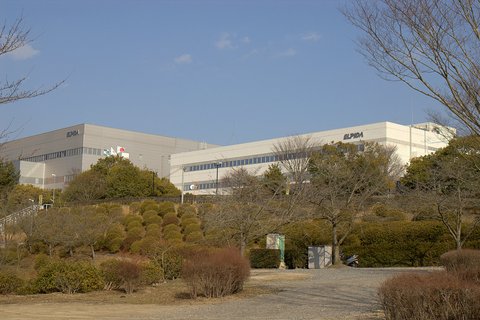
The Japanese makers on the other side of that case spent the next fifteen years in retreat. NEC and 日立製作所 merged what was left of their memory operations in 1999 into a company called Elpida.
In 2013 Micron bought it.
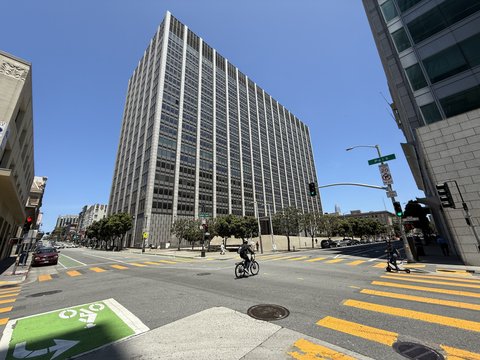
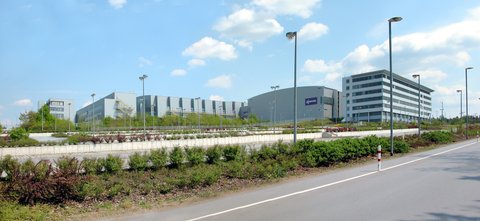
The company still runs from the Federal Way campus it started building in 1980. It is a working fab site, so whatever a visitor sees is seen from the public road.
In May 2026 the business that began under a dental practice passed a trillion dollars in market value.
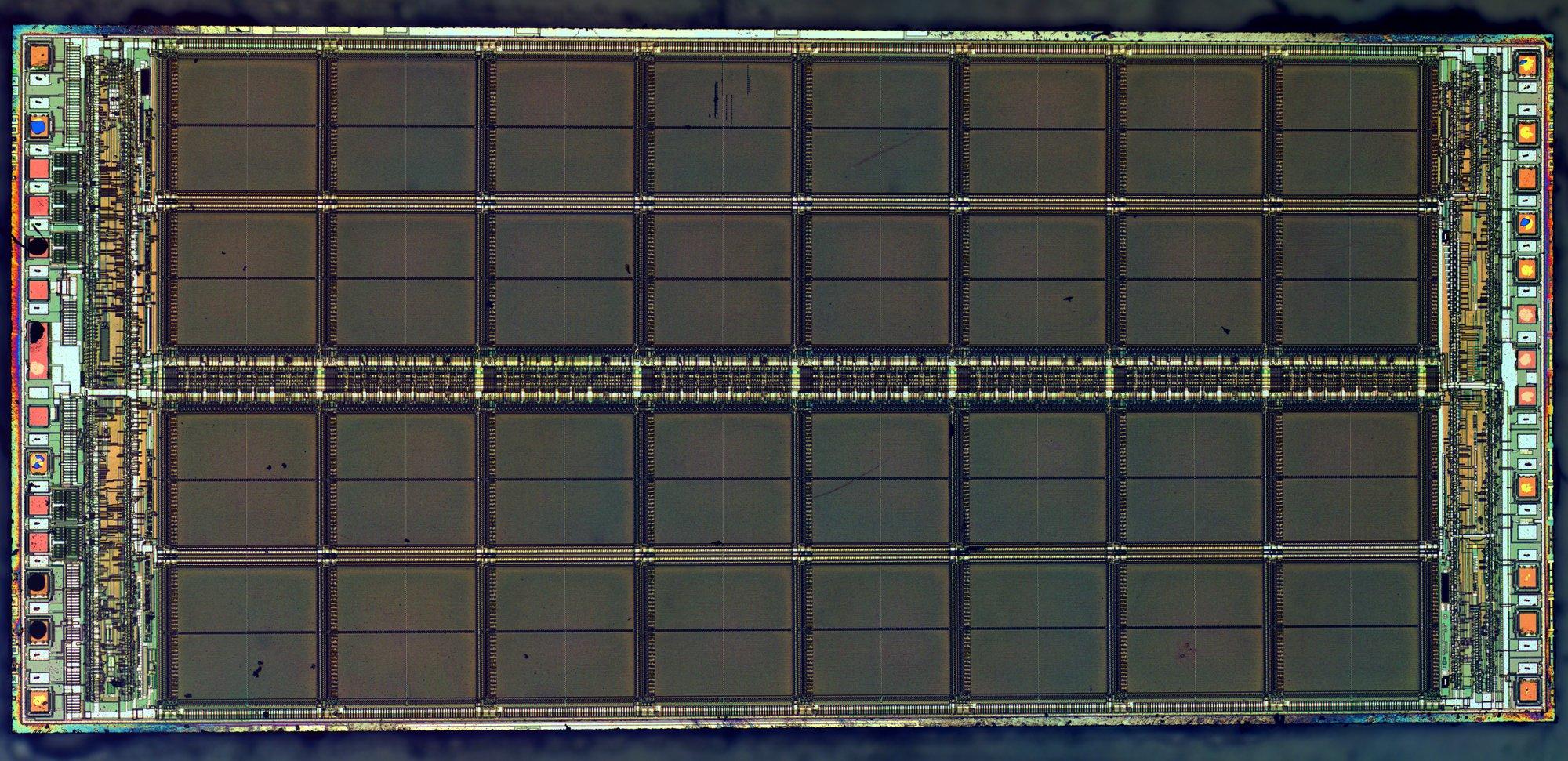
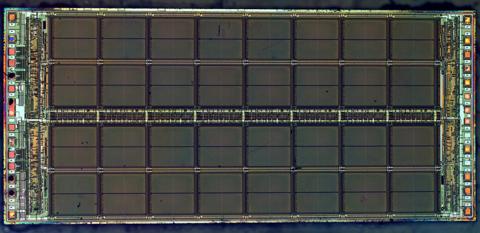
The photograph is a Micron MT4C1024, a 1-megabit DRAM from 1989, decapped and shot under a microscope. The die measures 8.7 by 4.0 millimetres.
Photo: ZeptoBars, CC BY 3.0, via Wikimedia Commons
changes?
delete this memory?
We detected that you have a Blox in your crypto wallet! We will import the Blox into your account.
Click on done below to complete the import.
Welcome Back!
Sign in to preserve cherished moments
Don't have an account?
Welcome!!
Sign up and start preserving cherished moments
?
?
Choose your payment method
Buy with Metablox Credit
Do you want to mint Blox with Metablox Credit?
Which Crypto would you like to use?
Purchase Confirmed!
Your Blox is being minted on-chain and will appear in your profile shortly.
Log in or sign up to claim your Blox.
How many credits do you want to buy?
$100 USD = 1 Metablox Credit = 1 Blox.
Use Metablox Credit to mint any Blox you want on the map.
expand_more