
- Home
- Finance History | Berkshire Hathaway | Global Brands, Bankruptcy and Strategic Capital
- Finance History | Fruit of the Loom Headquarters, Bowling Green, 30 April 2002 — A Brand Left Chapter 11 Under Berkshire
Finance History | Fruit of the Loom Headquarters, Bowling Green, 30 April 2002 — A Brand Left Chapter 11 Under Berkshire
· 2002-4
Personal memoryBy kevin · · Report an issue
Find memories left by people near you.
Distribute Bounty
This will distribute the bounty equally among all qualifying memories. This action cannot be undone.
Cancel Bounty
Are you sure you want to cancel this bounty? The remaining amount will be refunded to your account.
Success!
Operation completed successfully.
Error
Something went wrong.
Finance History | Fruit of the Loom Headquarters, Bowling Green, 30 April 2002 — A Brand Left Chapter 11 Under Berkshire
kevin
On 30 April 2002, Fruit of the Loom's confirmed Chapter 11 plan became effective and its apparel business was sold to Berkshire Hathaway.
The closing ended a bankruptcy case that began on 29 December 1999. It transferred a familiar consumer name, manufacturing system and customer relationships into Berkshire rather than merely giving Berkshire a block of publicly traded shares.
Fruit of the Loom made basic apparel including underwear, activewear, casualwear and children's clothing. Its products were simple, but the business depended on forecasting demand, controlling inventories, filling retailer orders and managing a vertically integrated production chain.
Before bankruptcy, excessive debt and operating failures had damaged that chain. Costs rose, deliveries became unreliable and customer relationships deteriorated, showing that brand recognition could not protect a manufacturer from weak execution and an overburdened balance sheet.
The restructuring reduced the financial claims surrounding the operating assets, but it did not repair the business automatically. Berkshire still needed capable management, working capital and consistent service to turn shelf space and consumer familiarity into cash earnings.
John Holland led the operating recovery before and after the acquisition. The workforce had already been reduced from roughly 40,000 to 23,000 as production and overhead were reorganized, a reminder that a lower purchase basis can accompany severe costs for employees and communities.
The acquisition also contrasted with Berkshire's minority investments. As the owner, Berkshire received all residual cash flows, yet it also carried responsibility for capital expenditures, labor decisions, inventory risk and any further decline in the apparel franchise.
Basic garments can produce repeat demand, but retailers possess bargaining power and manufacturing remains exposed to cotton prices, wages, trade rules and global competition. Durable economics therefore depended on low costs and reliable replenishment as much as on the label sewn into each product.
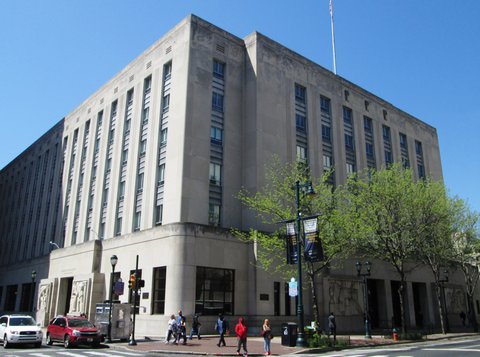
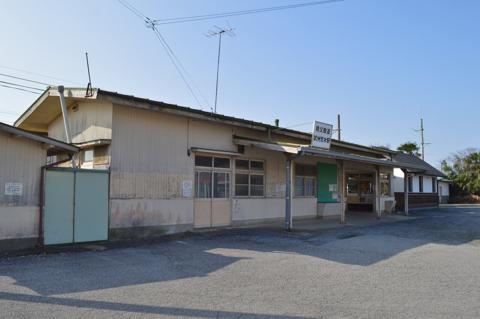
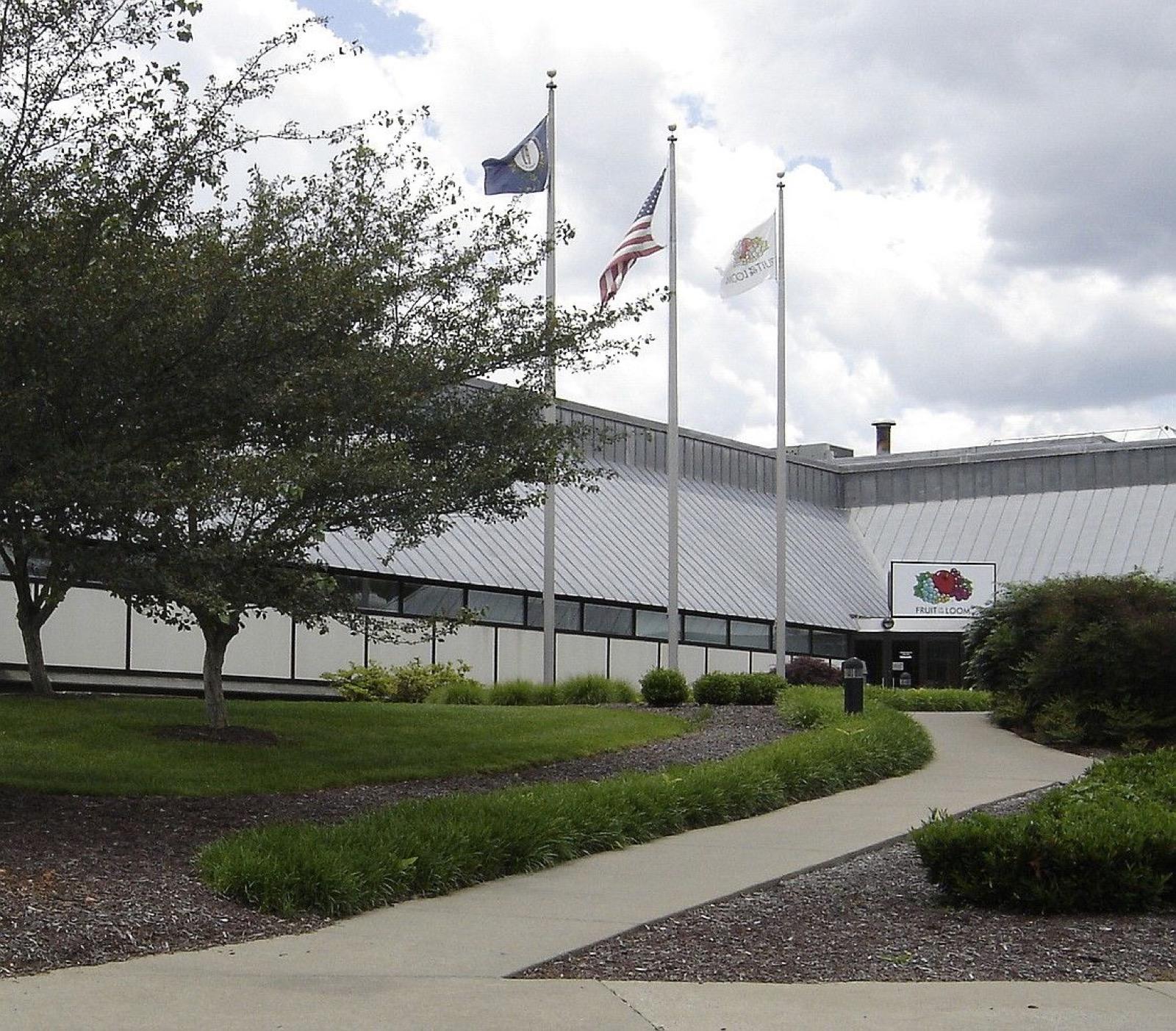
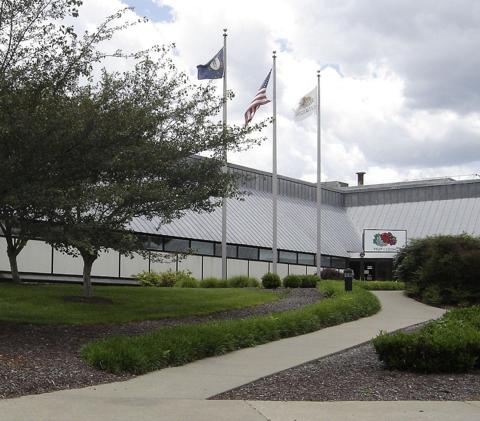
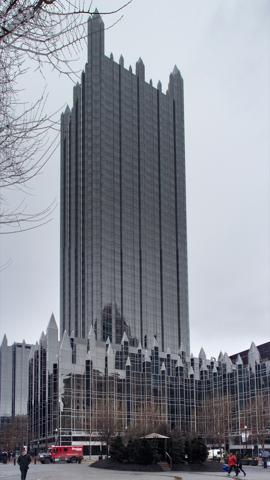
One Fruit of the Loom Drive in Bowling Green anchors the post-bankruptcy company to its operating headquarters. The site marks a transaction in which Berkshire paired permanent capital with a reorganized balance sheet and tested whether disciplined operations could restore value to a damaged consumer brand.

Photo: Flickr user rossuber, CC BY-SA 2.0, via Wikimedia Commons.
changes?
delete this memory?
We detected that you have a Blox in your crypto wallet! We will import the Blox into your account.
Click on done below to complete the import.
Welcome Back!
Sign in to preserve cherished moments
Don't have an account?
Welcome!!
Sign up and start preserving cherished moments
?
?
Choose your payment method
Buy with Metablox Credit
Do you want to mint Blox with Metablox Credit?
Which Crypto would you like to use?
Purchase Confirmed!
Your Blox is being minted on-chain and will appear in your profile shortly.
Log in or sign up to claim your Blox.
How many credits do you want to buy?
$100 USD = 1 Metablox Credit = 1 Blox.
Use Metablox Credit to mint any Blox you want on the map.
expand_more