
- Home
- Semiconductor History | Japan | Tokyo, Hiroshima and Kumamoto
- Semiconductor History | 日本橋白木屋 — Twenty People, ¥190,000, and a Corner of a Burnt Department Store
Semiconductor History | 日本橋白木屋 — Twenty People, ¥190,000, and a Corner of a Burnt Department Store
· 1946-5
Personal memoryBy kevin · · updated · Report an issue
Find memories left by people near you.

Distribute Bounty
This will distribute the bounty equally among all qualifying memories. This action cannot be undone.
Cancel Bounty
Are you sure you want to cancel this bounty? The remaining amount will be refunded to your account.
Success!
Operation completed successfully.
Error
Something went wrong.
Semiconductor History | 日本橋白木屋 — Twenty People, ¥190,000, and a Corner of a Burnt Department Store
kevin
On 7 May 1946 a company was founded on the third floor of a bombed-out department store in Nihonbashi, with capital of 190,000 yen and about twenty employees.
The store was 白木屋, damaged in the air raids and still trading around the space it rented out. The company was 東京通信工業, and in 1958 it renamed itself Sony.
井深大 was thirty-eight and had spent the war making precision instruments for the army and navy; 盛田昭夫 was twenty-five, from a sake-brewing family in Aichi that put up money and personally guaranteed the young company's debts.
Neither of them took the top job.
They installed 前田多門, a former Minister of Education, as nominal first president, and brought in 万代順四郎, a former head of Teikoku Bank, as adviser — two establishment names borrowed to make a twenty-person workshop creditable to banks and customers.
井深 ran engineering, 盛田 ran sales and finance, and the borrowed reputations opened the doors.
The founding prospectus 井深 had drafted that January asked for something specific: a workplace where engineers could work freely and with pleasure, an ideal factory rather than a large one.
That document is quoted in Japan the way American founders quote garages, and unlike most founding scenes it is a piece of paper that actually exists.
They outgrew the department store quickly and moved to a seventy-tsubo warehouse at 御殿山 in 北品川, where the roof leaked badly enough that people worked under umbrellas.
Japan's first tape recorder came out of that shed in 1950, and Japan's first transistor radio, the TR-55, in 1955 — second in the world, after the American Regency TR-1 of 1954, and the beginning of Japanese consumer electronics.
The Nihonbashi building is gone.
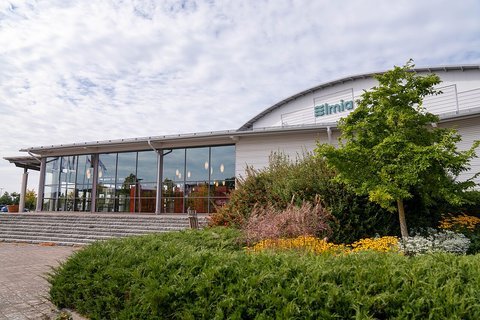
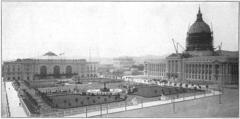
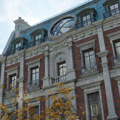
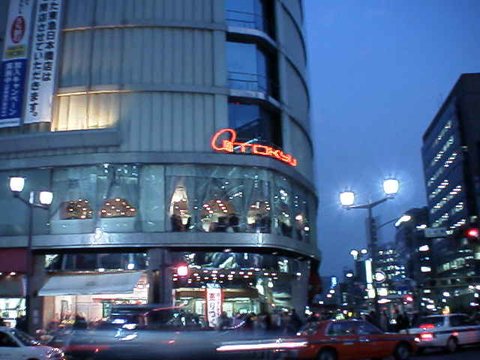
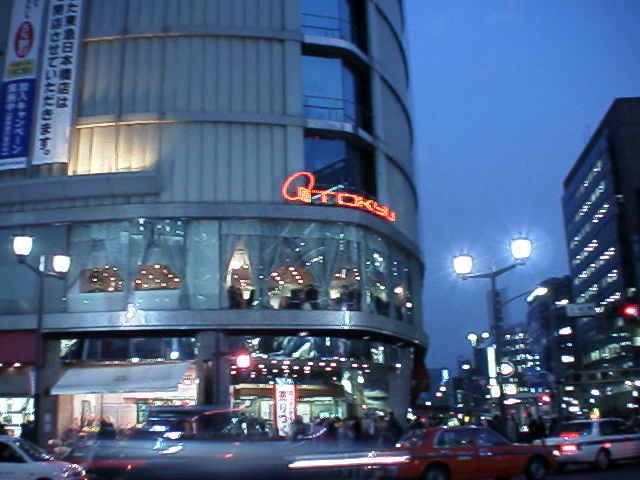
白木屋 became a 東急 department store, which closed in January 1999 and was demolished; the site is now the COREDO 日本橋 complex, above 三越前 station, and the first photograph here shows the Tokyu store in its final weeks rather than anything Sony ever occupied.
Photo: Imtn, CC BY-SA 3.0, via Wikimedia Commons (the Tokyu department store on this site, photographed shortly before it closed in January 1999).
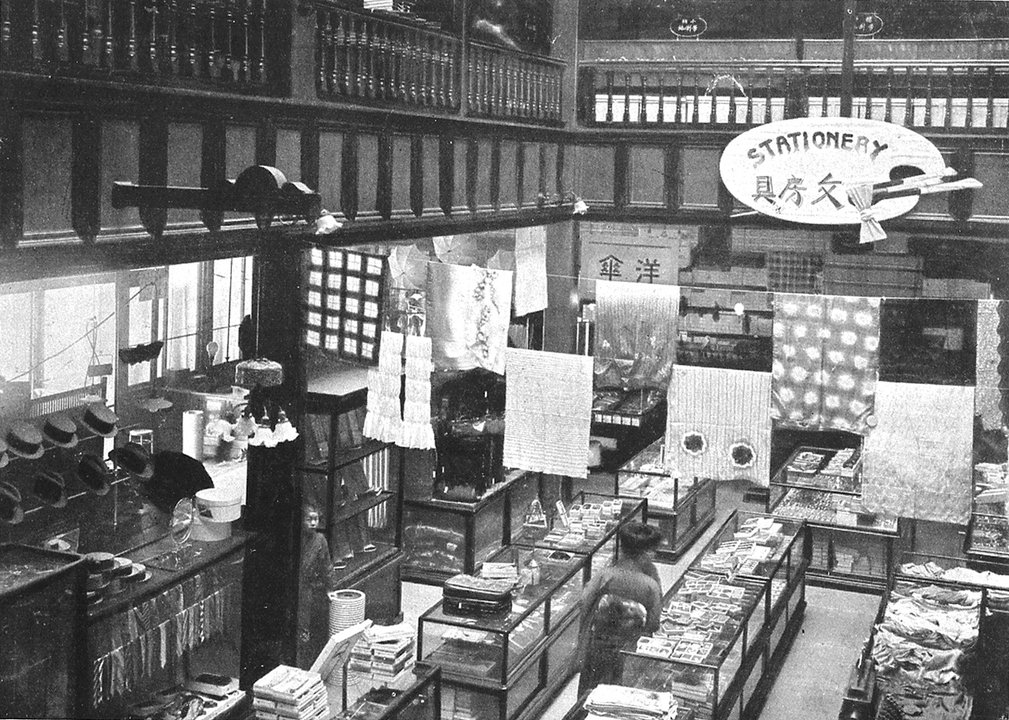
Photo: Ogawa Kazumasa, public domain, via Wikimedia Commons (the Shirokiya store at Nihonbashi in 1911 — an earlier building on the same site, decades before the one Tokyo Tsushin Kogyo rented).
changes?
delete this memory?
We detected that you have a Blox in your crypto wallet! We will import the Blox into your account.
Click on done below to complete the import.
Welcome Back!
Sign in to preserve cherished moments
Don't have an account?
Welcome!!
Sign up and start preserving cherished moments
?
?
Choose your payment method
Buy with Metablox Credit
Do you want to mint Blox with Metablox Credit?
Which Crypto would you like to use?
Purchase Confirmed!
Your Blox is being minted on-chain and will appear in your profile shortly.
Log in or sign up to claim your Blox.
How many credits do you want to buy?
$100 USD = 1 Metablox Credit = 1 Blox.
Use Metablox Credit to mint any Blox you want on the map.
expand_more