NPB History | Meiji Jingu Stadium — The Ground That Refused the Professionals
volume_up
Listen
directions
Directions
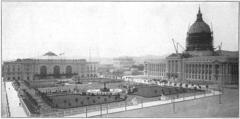
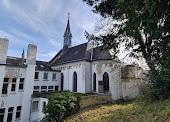
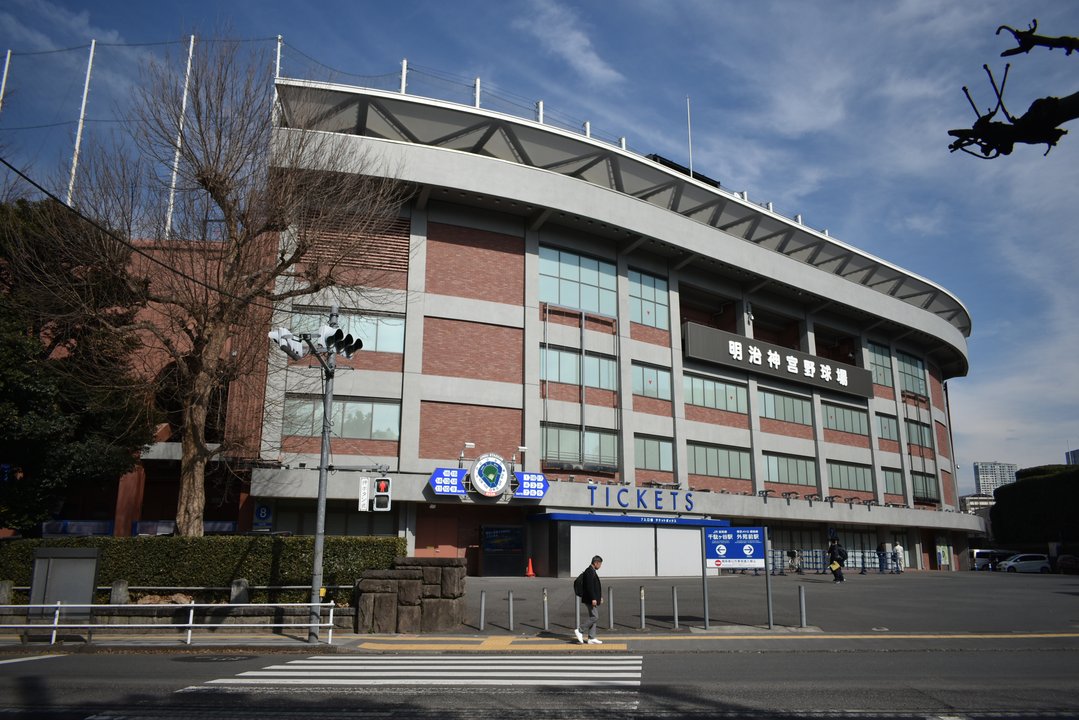
The outfield was planted thick with grass and shrubbery and every structure was held to a low height, because a ballpark here was not supposed to spoil the view of the Seitoku Memorial Picture Gallery. That constraint is still legible in the shape of the place a hundred years later.
Meiji Jingu Gaien was laid out without a ballpark at all. The original scheme had the picture gallery and an athletics stadium — the ancestor of today's National Stadium — and nothing for baseball. The game's popularity in the early 1920s outran the plan. In January 1925 the scheme was amended, within what the stadium's own published history describes as the limits of the founding spirit of the Gaien, to add a ground. Site work began that December, the groundbreaking ceremony was held in January 1926, and the stadium was completed on 22 October 1926. It opened the next day.
At the opening on 23 October the Prince Regent Hirohito — later Emperor Shōwa — and Prince Kan'in Kotohito attended. The first baseball played was a match between Tokyo and Yokohama middle-school representative sides, followed by an intra-squad game between Tokyo Big Six selections. Of the ¥530,000 the ground cost, ¥480,000 came from the Meiji Jingu subscription association and ¥50,000 was donated by the Tokyo Big Six league itself, which tells you whose ballpark it really was.
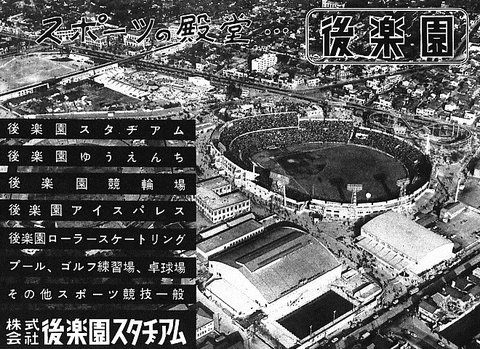
That ownership had consequences. When professional baseball began in earnest in 1936, the university side would not have the professionals in. The first game between two professional clubs in Tokyo had to be played on a borrowed ground, Waseda's Totsuka field, and the search for somewhere permanent produced Korakuen Stadium the following year. Jingu is where Japanese professional baseball was told no.
It has been saying yes for a long time since. The Yakult Swallows play here, and so do the Tokyo Big Six and the Tohto league, the Tokyo high-school summer qualifiers, and the Meiji Jingu tournament in autumn. The umbrella dance to Tokyo Ondo, the most recognisable crowd ritual in Japanese baseball, started in these stands.
2026 is the centenary and the ground has been marking it, with commemorative goods since May and a dedication match announced in June. It is also the beginning of the end. Under the Jingu Gaien redevelopment run by Mitsui Fudosan, Meiji Jingu, the Japan Sport Council and Itochu, demolition began in 2023 with the neighbouring Second Stadium; the ballpark and the Chichibunomiya rugby ground will swap sites and be rebuilt in turn so that neither sport loses many seasons, with the whole scheme targeted for 2038.
The low outer wall and the trees crowded against it exist because a ballpark on this site was once required not to be seen. Stand back on the Gaien side and notice that before the plan that finally out-argued the rule is finished.
Coordinates 35.674515, 139.717213 — the stadium's main frontage; ±25 m, OSM map-verified, pending on-site check.
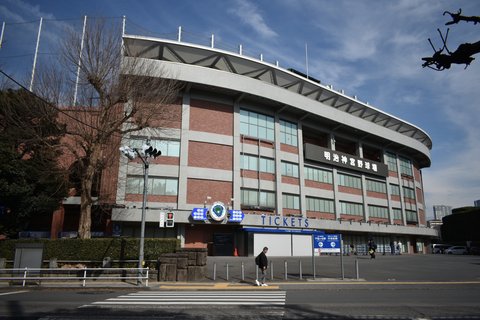
Cover photograph of Meiji Jingu Stadium taken 22 February 2019 by 江戸村のとくぞう, CC BY-SA 4.0, via Wikimedia Commons.






























 expand_more