Finance History | Bank Indonesia, 1 July 1953 — A Nationalized Colonial Bank Became Indonesia’s Central Bank
volume_up
Listen
directions
Directions
On 1 July 1953, Bank Indonesia formally replaced De Javasche Bank as the central bank of the Republic of Indonesia. The change placed the country’s currency and monetary machinery under a national institution after over a century of colonial banking.
De Javasche Bank had been founded in Batavia in 1828 and received authority to issue money in the Dutch East Indies. It survived Japanese occupation, revolution, and the transfer of sovereignty, and was designated the circulation bank under the 1949 settlement that ended Dutch rule.
That continuity posed a political and financial problem. A newly independent republic relied on an institution whose ownership and legal foundations came from the colonial system. In 1951, the Indonesian government formed a nationalization committee and began purchasing shares, eventually acquiring 97 percent.
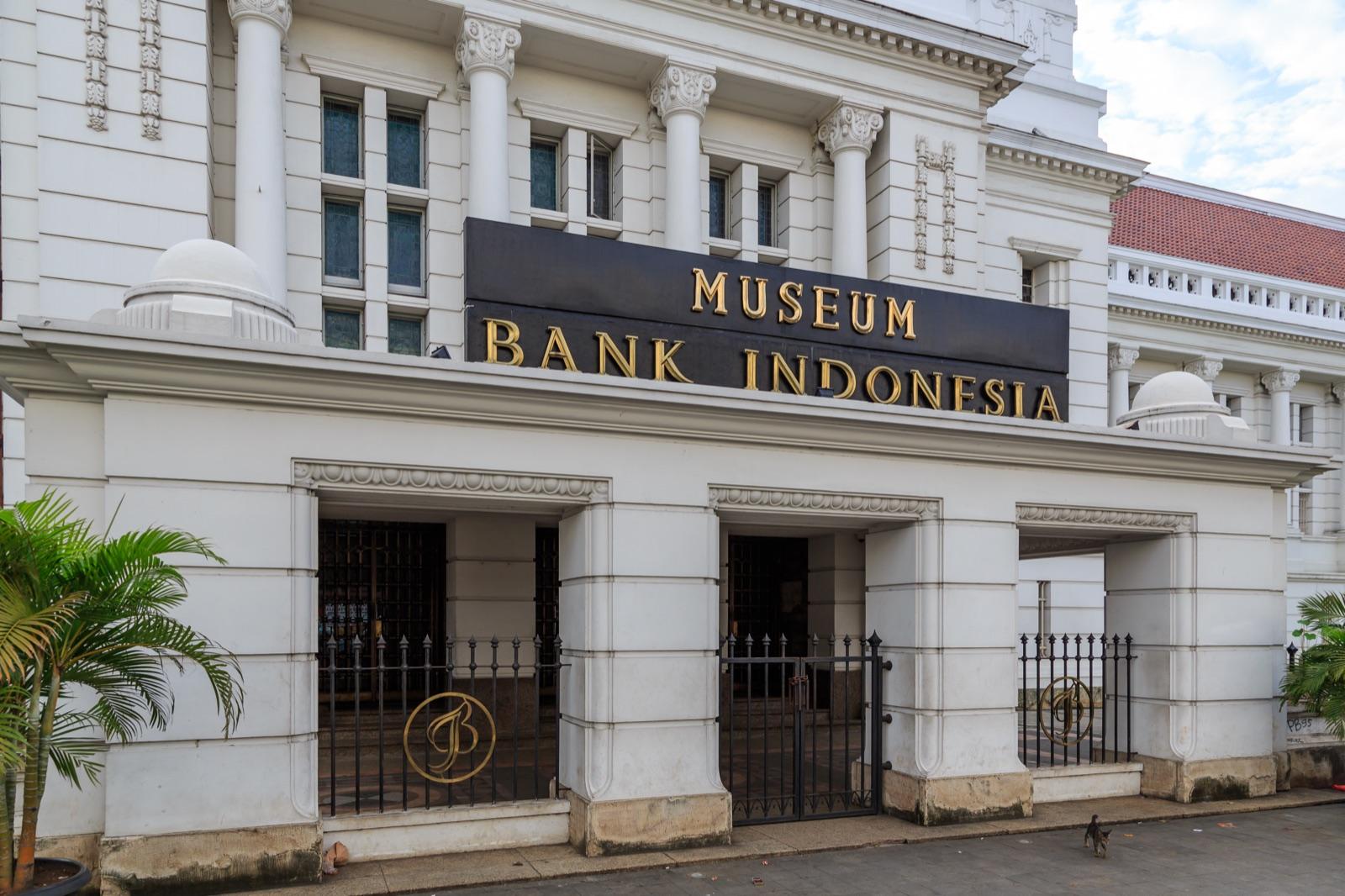
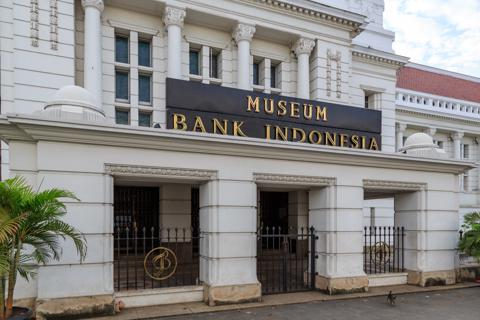
Act No. 11 of 1953 replaced the De Javasche Bank Act of 1922 and established Bank Indonesia on 1 July. The old name on the Jakarta headquarters gave way to the new one, while much of the existing organization, staff, and banking infrastructure continued to operate.
The new bank was not yet a central bank in the narrow modern sense. It issued and managed currency, held state accounts, and carried out monetary policy, but it also retained commercial functions and extended credit directly. Indonesia separated those roles only through later legislation and institutional reform.
Policy authority was also divided. A Monetary Board chaired by the finance minister, with the Bank Indonesia governor and trade minister as members, set monetary policy; Bank Indonesia implemented its decisions. National ownership therefore did not initially mean operational independence from the government.
Even so, the transformation mattered. Currency issuance, reserve management, and the organization of credit became instruments of the republic rather than inherited privileges of a colonial company. The bank could now be used to support public finance and national development, choices that brought both capacity and inflationary risk.
Bank Indonesia occupied the former De Javasche Bank building until moving to a new headquarters in 1962. The old premises later became Museum Bank Indonesia, preserving the physical handover between two monetary regimes.
At this Jakarta address, independence acquired a balance sheet. A colonial circulation bank was nationalized, renamed, and made responsible for the monetary sovereignty of a new state.
Image: “Jakarta Indonesia Museum-Bank-Indonesia-01” by CEphoto, Uwe Aranas, licensed CC BY-SA 3.0, via Wikimedia Commons.

















 expand_more