Finance History | Oxenstierna Palace, 22 September 1668 — Parliament Rebuilt a Failed Bank
volume_up
Listen
directions
Directions
On 22 September 1668, Sweden’s Bank of the Estates began operating under parliamentary authority, establishing the institution that became today’s Sveriges Riksbank.
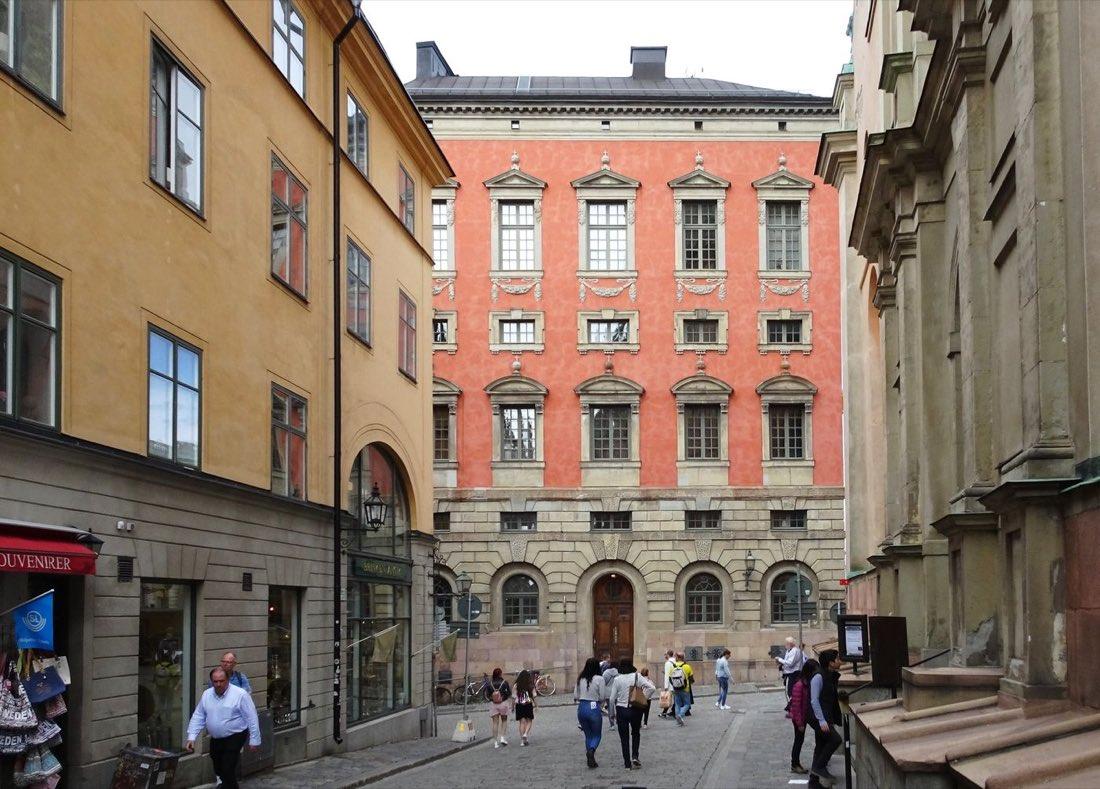
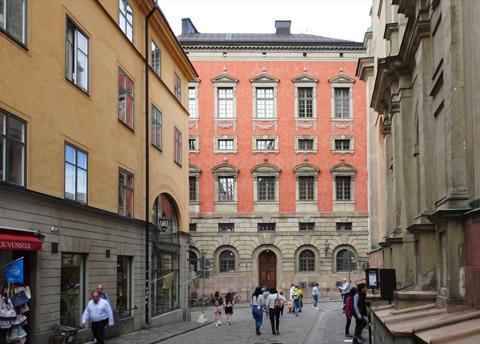
Its first offices occupied part of Axel Oxenstierna Palace beside Stockholm’s royal and administrative center.
The new bank was designed in direct response to the collapse of Stockholms Banco, a privately managed institution operating under royal privilege.
Stockholms Banco had issued Europe’s first widely circulating banknotes while depositors expected redemption in cumbersome copper coin.
As note issuance outran the bank’s capacity to redeem, confidence failed and holders rushed to exchange paper claims for metal.
The successor placed governance with the Estates of the Realm, Sweden’s parliament, rather than granting another concession to an individual operator.
Parliamentary principals appointed commissioners to oversee the bank, while rules sought to protect the value entrusted to it and restrain the actions that had broken its predecessor.
The Bank of the Estates initially avoided issuing notes, a deliberate limit shaped by the recent experience of overextension and failed redemption.
Its operations included an exchange bank for deposits and transfers and a lending bank that extended credit against collateral.
This structure allowed the institution to support payments and credit while subjecting both functions to public rules and continuing oversight.
The founding did not instantly create every feature of a modern central bank, and its role developed over later centuries as Sweden’s monetary system changed.
It did establish durable parliamentary control over a national monetary institution, which is why the Riksbank is commonly identified as the world’s oldest surviving central bank.
The episode also established a recurring principle of financial reform: when a new payment instrument fails, rebuilding confidence requires credible limits and governance as much as a replacement balance sheet.
The bank remained at Oxenstierna Palace for roughly its first decade before moving to a purpose-built home at Järntorget in 1680.
The pin and image identify the surviving palace where Parliament’s bank first operated, rather than the later buildings from which the Riksbank carried out its expanding responsibilities.
Photo: Holger Ellgaard, CC BY-SA 4.0, via Wikimedia Commons.
















 expand_more