Finance History | 한국은행 본관 Bank of Korea, Seoul, 1912 — Three Owners, One Set of Walls
volume_up
Listen
directions
Directions
This building changed hands three times without a stone moving, and each time the question at issue was who had the right to issue Korea's money.
Construction began in November 1907, and the client was not a central bank. It was Japan's Dai-Ichi Bank, a commercial house, which had been handling Korean government funds, running currency reform and issuing notes in Korea since 1905.
A foreign commercial bank was doing the work of a central bank in a country that did not yet have one.
The cornerstone was laid on 11 July 1909, and the inscription on it is in the hand of Itō Hirobumi, then the most senior Japanese official in Korea. He was assassinated at Harbin three months later.
In October 1909 the Korean Empire established 한국은행, the Bank of Korea, as its own central bank, taking over the Dai-Ichi branch's functions. The building going up here was to be its head office.
It never was. Japan annexed Korea in 1910, the bank was renamed 조선은행, the Bank of Chōsen, in 1911, and when the building was completed in January 1912 it opened as the head office of a colonial institution answering to the Government-General.
The Bank of Chōsen then issued the currency of occupied Korea for thirty-three years, and extended its note issue into Manchuria and northern China as Japanese control spread.
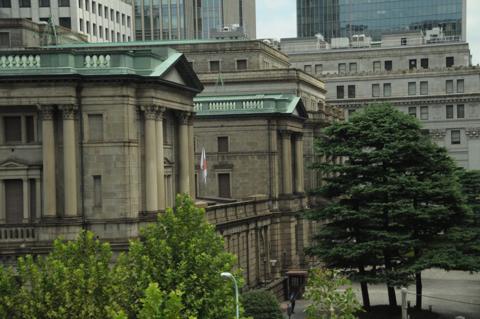
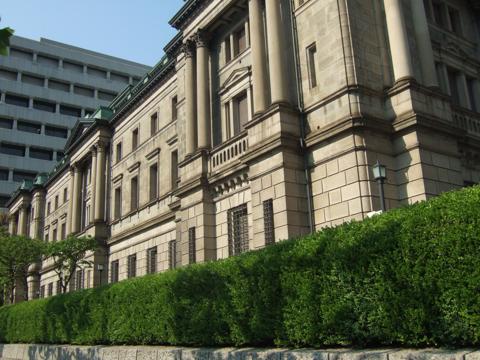
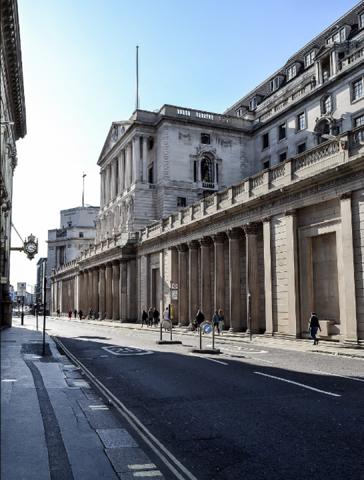
The architect was Tatsuno Kingo, the same man who had built the Bank of Japan's head office in Tokyo in 1896.
That is the fact worth sitting with. The architect who gave Japan its first major public building designed by a Japanese hand also designed the instrument through which Japan took over somebody else's money, in the same Renaissance manner, in the same dressed granite.
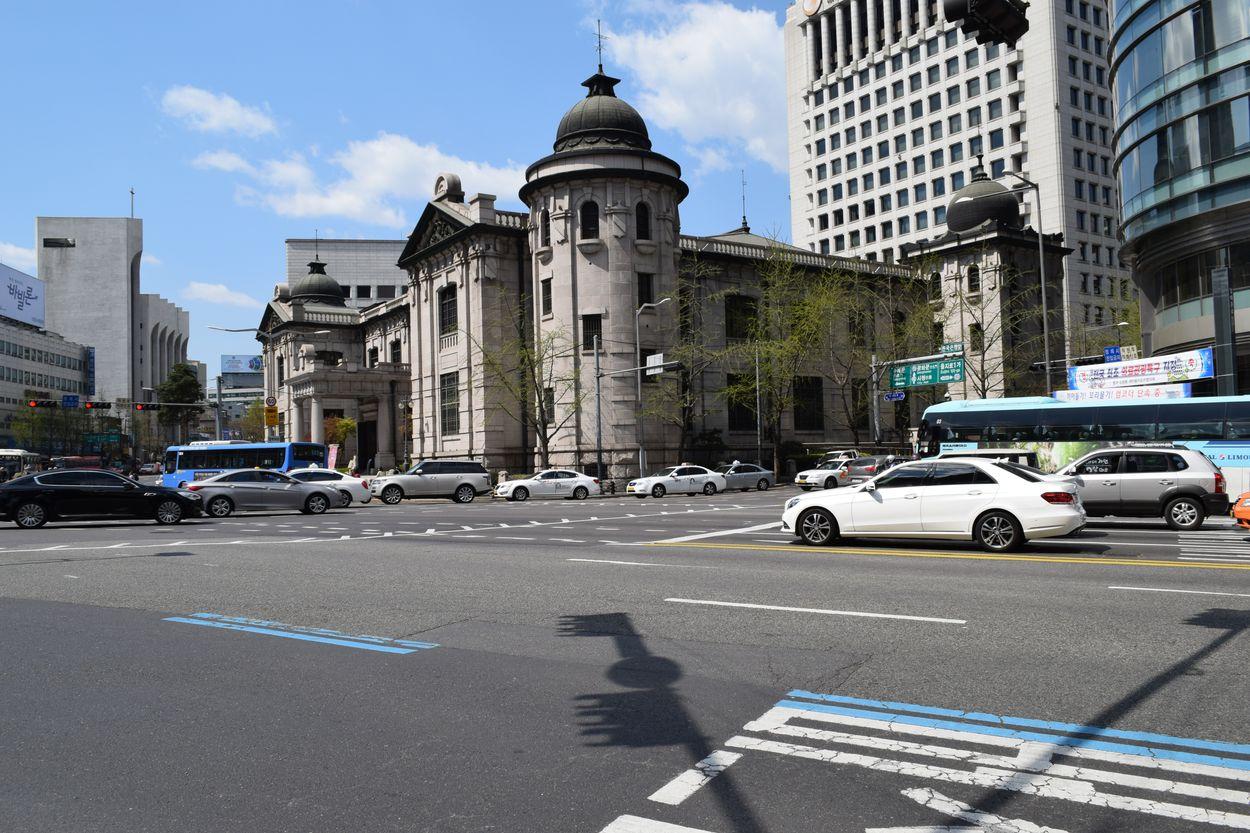
The construction was steel-framed concrete with a granite face, three storeys over a basement, built by Shimizu-gumi.
Fire damaged the interior at liberation in 1945 and the Korean War very nearly finished it; the inside was rebuilt between 1956 and 1958. The Bank of Korea was re-established as the central bank of the Republic of Korea in 1950 and this became its head office.
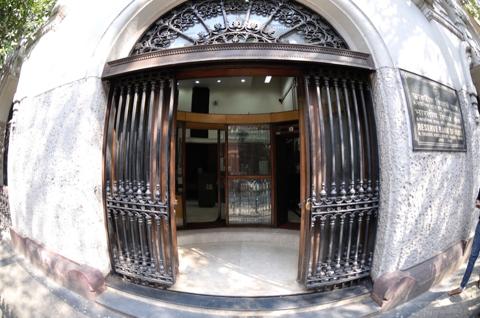
It was designated a Historic Site in 1981. A new head office went up behind it in 1987, after which this building was restored to its original form, and since 2001 it has been the Bank of Korea Money Museum, free to enter.
So the sequence is a Japanese commercial bank, then a colonial central bank, then the central bank of an independent Korea, then a museum about money, in one set of walls.
Cover photo: ::::=UT=::::, CC BY-SA 3.0, via Wikimedia Commons.
Coordinates 37.562047, 126.980369, resolved by Nominatim for 한국은행 화폐박물관 and corroborated by two Commons geotags on the building. Accurate to about 30 m.






 expand_more