Finance History | Banco de Londres y México Building, 1 September 1925 — Mexico Opened Its Central Bank
volume_up
Listen
directions
Directions
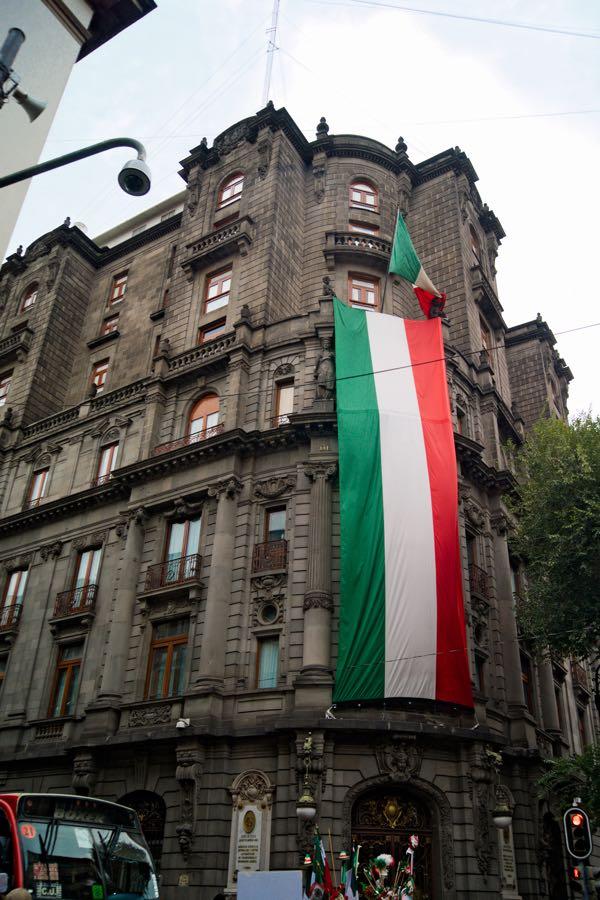
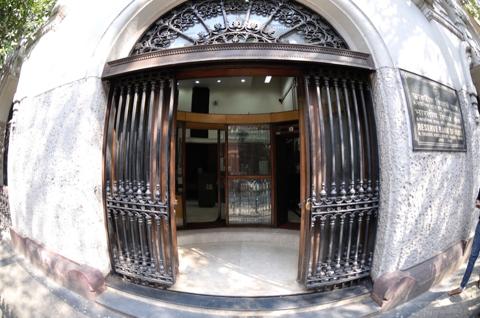
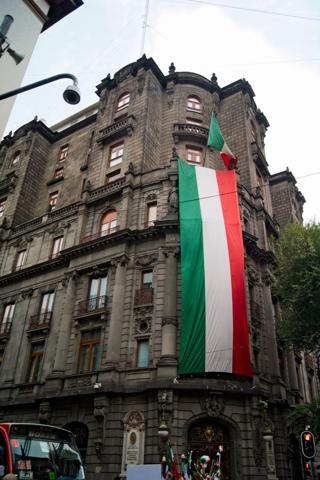
At 10 a.m. on 1 September 1925, President Plutarco Elías Calles inaugurated Banco de México in temporary offices on the ground floor of the Banco de Londres y México building. The ceremony and signature of the constitutive act took place at 38 Avenida 16 de Septiembre, on the northeast corner with Bolívar.
The new institution answered a long monetary disorder. During the nineteenth century and the Revolution, several banks and political authorities issued competing paper money, while war, forced loans, counterfeiting, and depreciating notes weakened confidence in currency and credit.
The Constitution of 1917 reserved banknote issue to a single bank controlled by the state, but political conflict and scarce public funds delayed implementation. Finance Minister Alberto J. Pani and legal architect Manuel Gómez Morin assembled the law, organization, and capital that finally made the project operational.
Banco de México received the exclusive authority to issue banknotes and important responsibilities for monetary circulation, interest rates, and foreign exchange. It also acted as banker, financial adviser, and agent to the federal government, while commercial banks were not initially compelled to associate with it.
The opening did not instantly create a modern central bank. Banco de México also conducted ordinary commercial banking, had to persuade banks and the public to accept its notes, and inherited staff and functions from the Comisión Monetaria. Institutional authority had to be built through use rather than declared only in law.
The location itself reflected that unfinished transition. Banco de México’s intended headquarters in the former La Mutua building required extensive alterations, so the bank began inside another bank’s premises. It moved to its permanent building on 5 de Mayo in October 1927.
Calles linked the inauguration to restoring Mexico’s external credit and meeting a constitutional promise. The central bank concentrated currency issue after a period when monetary fragmentation had mirrored political fragmentation, giving the post-revolutionary state a durable financial institution.
At Bolívar and 16 de Septiembre, Mexico’s central bank began as a tenant with a broad mandate and uncertain reach. Its opening marked the point at which a constitutional design became an operating balance sheet, a staff, and a single authorized source of banknotes.
Photo: Gacelita, CC BY-SA 3.0, via Wikimedia Commons.











 expand_more