
- Home
- Semiconductor History | The Night the Grid Failed | Nantou, Taichung, Hsinchu and Tainan
- Semiconductor History | 台積電14廠, 南科 — The Second Test, Seventeen Years Later
Semiconductor History | 台積電14廠, 南科 — The Second Test, Seventeen Years Later
· 2016-2
Personal memoryBy kevin · · Report an issue
Find memories left by people near you.

Distribute Bounty
This will distribute the bounty equally among all qualifying memories. This action cannot be undone.
Cancel Bounty
Are you sure you want to cancel this bounty? The remaining amount will be refunded to your account.
Success!
Operation completed successfully.
Error
Something went wrong.
Semiconductor History | 台積電14廠, 南科 — The Second Test, Seventeen Years Later
kevin
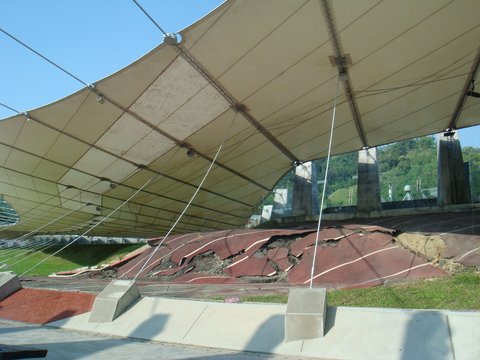
At 03:57 on 6 February 2016 a magnitude 6.4 earthquake near 美濃 shook 南部科學園區 hard enough to trip 台積電's automatic shutdown thresholds.
The company by then ran its fabs on a graded seismic protocol: shaking at intensity 3 and above stops part of a plant, intensity 5 stops all of it.
Nothing structural failed at 南科. Power, water and gas held throughout.
What broke was wafers, in and around the furnace areas, and the automated overhead transport that carries cassettes between tools stopped running.
That contrast is what 921 bought. In 1999 the fabs lost the grid; in 2016 the grid held, and the damage stayed inside the machines.
The recovery was uneven in a way worth reading closely.
Contemporaneous reporting put around 400 engineers on the road south from 新竹 and 台中 to help re-qualify tools.
Fab 6 and Fab 14B were producing again within two to three days.
Fab 14A took a week, returning to full output on 13 February, because recalibrating tools on its more advanced lines could not be rushed.
Fab 14 was then running 16 and 20 nanometre production, including Apple's A9 processor, which is why one building standing idle for a week registered as a supply-chain event rather than a local one.
台積電 put the cost at roughly one per cent of first-quarter wafer shipments: about 100,000 wafers pushed from the first quarter into the second from Fab 14A alone, with delays of ten to fifty days, and a further 20,000 from Fab 6.
The pattern held afterwards.
When a magnitude 7.4 earthquake struck off 花蓮 on 3 April 2024, 台積電 reported more than seventy per cent of its tools recovered within ten hours.
Hardening a fab does not stop wafers breaking, and nobody in the industry claims it does.
It shortens the interval between the shaking and the next wafer start, and in a business where the inventory lives inside the machines for two months, that interval is nearly the entire cost.
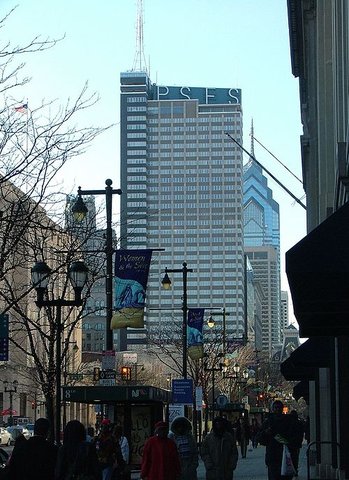
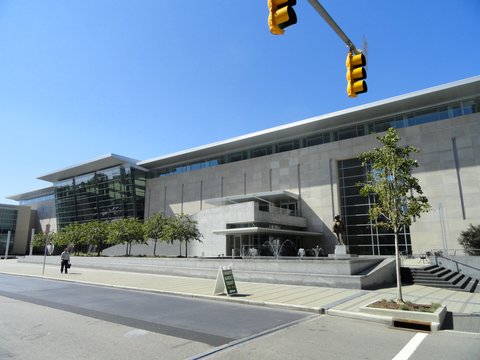
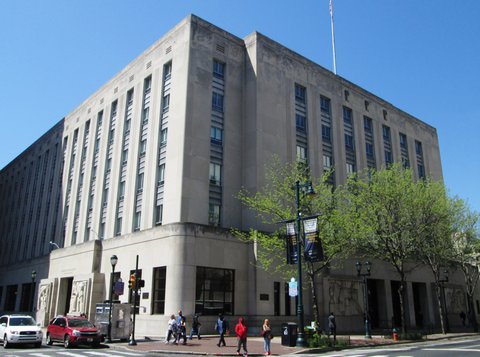
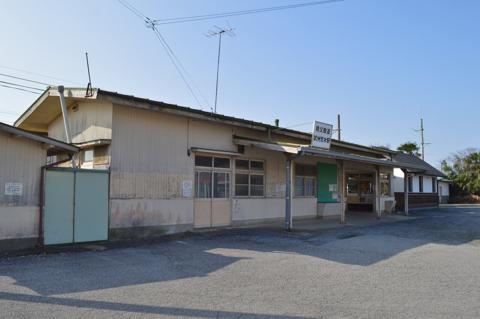
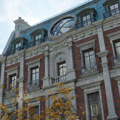
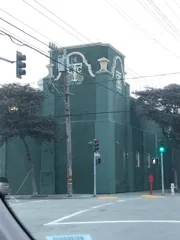
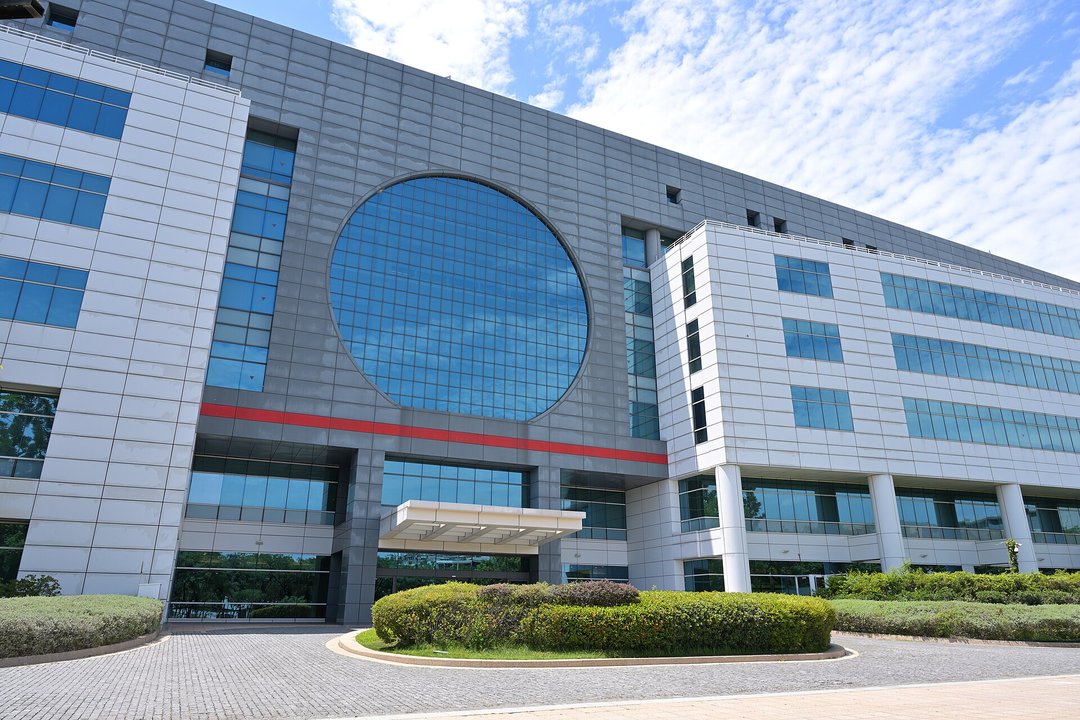
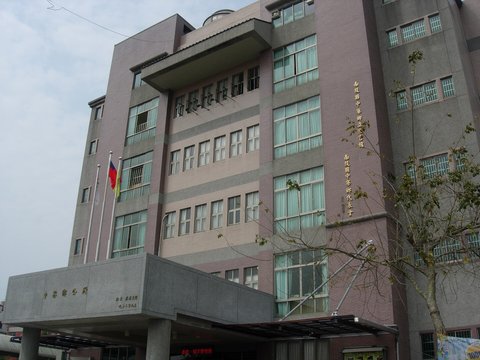
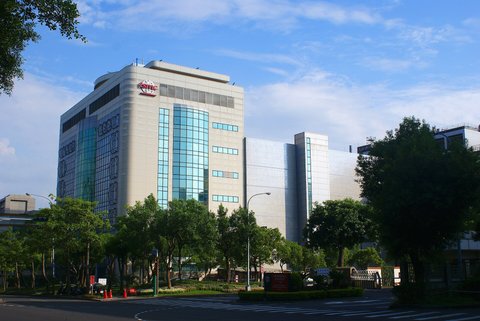
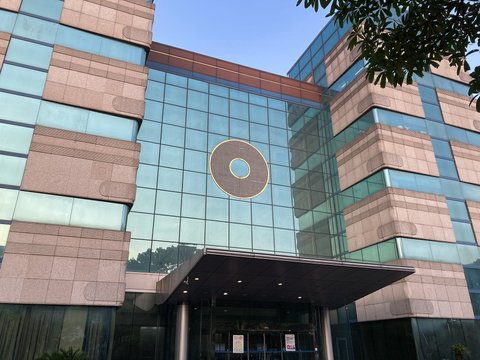
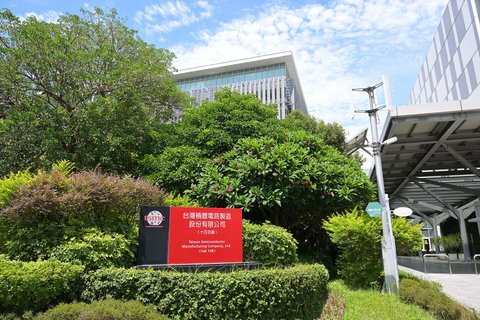
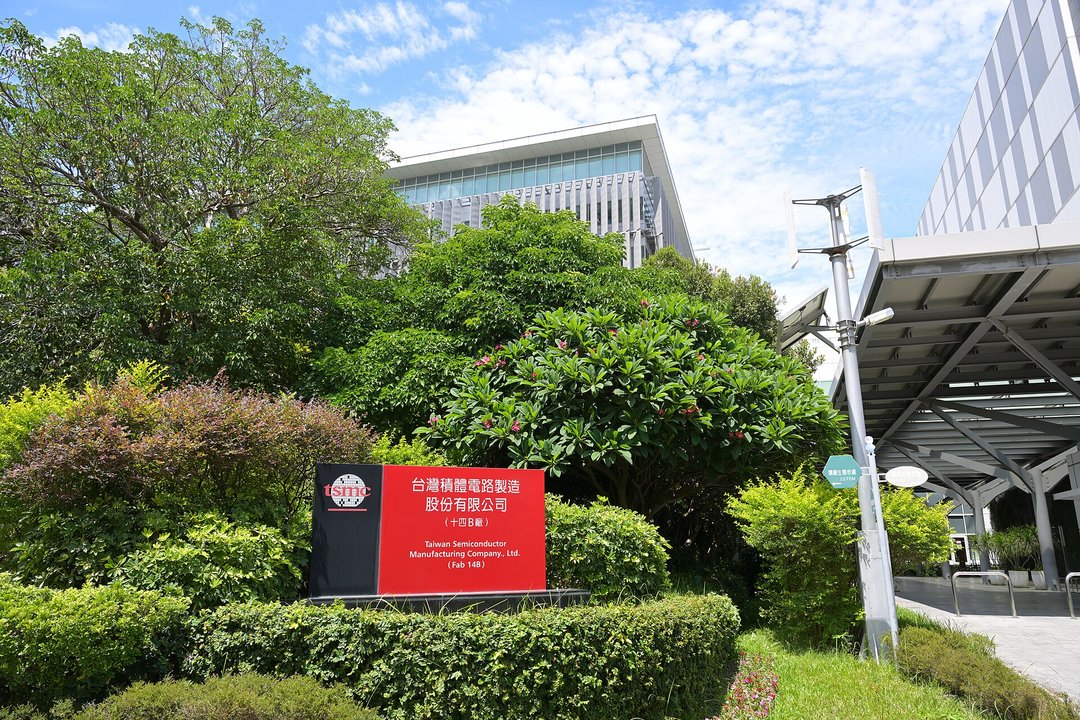
The sign in the photograph reads 十四B廠 — Fab 14B, the neighbouring phase. The pin sits on Fab 14A's own buildings a few hundred metres east, which have no free photograph of their own.
Photo: 4300streetcar, CC BY 4.0, via Wikimedia Commons.
changes?
delete this memory?
We detected that you have a Blox in your crypto wallet! We will import the Blox into your account.
Click on done below to complete the import.
Welcome Back!
Sign in to preserve cherished moments
Don't have an account?
Welcome!!
Sign up and start preserving cherished moments
?
?
Choose your payment method
Buy with Metablox Credit
Do you want to mint Blox with Metablox Credit?
Which Crypto would you like to use?
Purchase Confirmed!
Your Blox is being minted on-chain and will appear in your profile shortly.
Log in or sign up to claim your Blox.
How many credits do you want to buy?
$100 USD = 1 Metablox Credit = 1 Blox.
Use Metablox Credit to mint any Blox you want on the map.
expand_more