Finance History | Berkshire’s Sanofi-Aventis Stake
volume_up
Listen
directions
Directions
On 31 December 2010, Berkshire Hathaway reported 25,848,838 Sanofi-Aventis shares, representing 2.0% of the pharmaceutical group, with an aggregate cost of US$2.060 billion and a market value of US$1.656 billion.
The year-end quotation was therefore about US$404 million below Berkshire’s stated cost, placing the holding on the less comfortable side of the portfolio table even as its underlying businesses served large and persistent healthcare needs.
Sanofi-Aventis’s 2010 reporting presented a global healthcare group built around prescription pharmaceuticals and vaccines, with significant positions in diabetes, oncology, cardiovascular medicine, emerging markets, and vaccine research and manufacturing.
The company launched or advanced products during the year and continued integrating pharmaceutical and vaccine operations, illustrating how value in healthcare often depends on research pipelines, clinical evidence, regulatory approvals, manufacturing reliability, and distribution across national systems.
These capabilities can create long-lived cash flows when therapies address important conditions, but the same model brings concentrated risks from patent expirations, trial failure, safety findings, reimbursement pressure, regulation, and competition from generics or superior treatments.
For Berkshire, a minority holding meant participation in those economics without control over laboratory choices, acquisition policy, or how management balanced dividends, research spending, and business development.
Buffett’s 2010 shareholder letter explained that Berkshire’s cost figures reflected purchase price and tax basis, while market quotations supplied a visible but incomplete scorecard at a single date.
He also argued that Berkshire’s proportional share of investees’ retained earnings could be economically important even though those earnings were not fully recorded in Berkshire’s operating results.
In pharmaceuticals, that argument is demanding rather than automatic, because retained cash creates value only if it replenishes the product portfolio and produces returns sufficient to offset the inevitable failures and expirations.
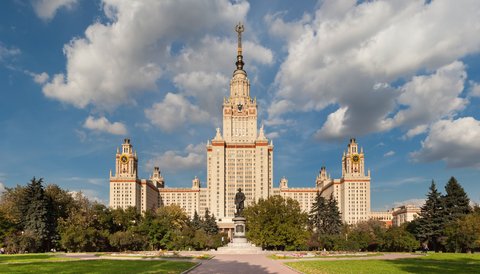
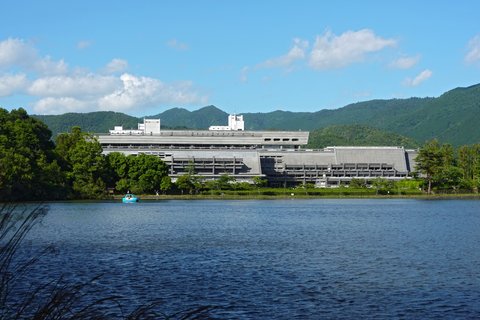
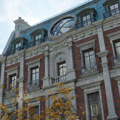
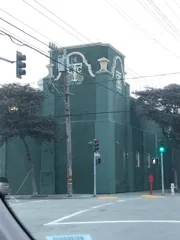
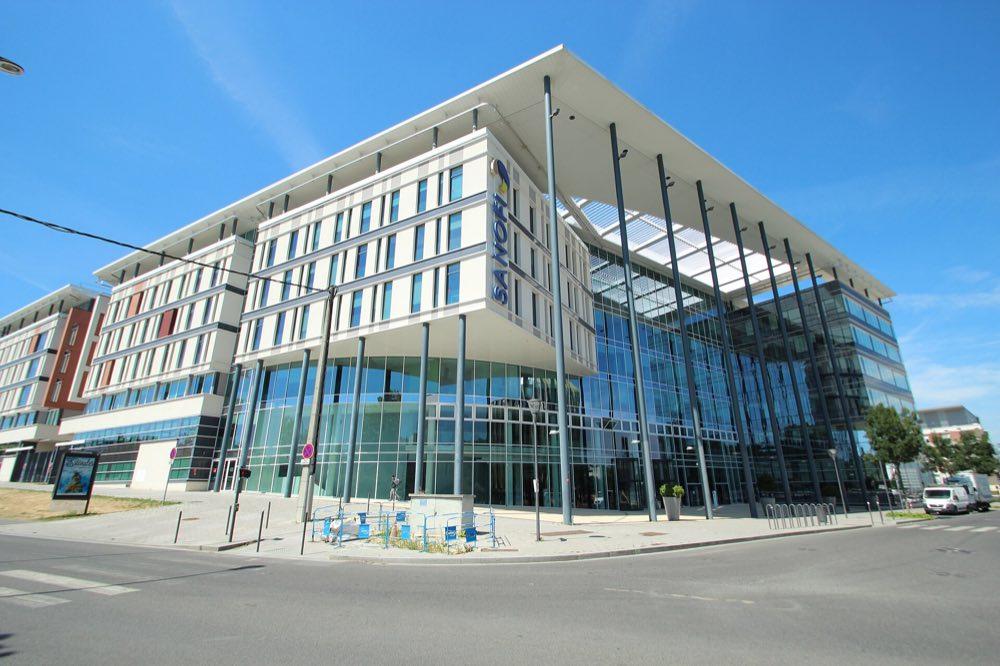
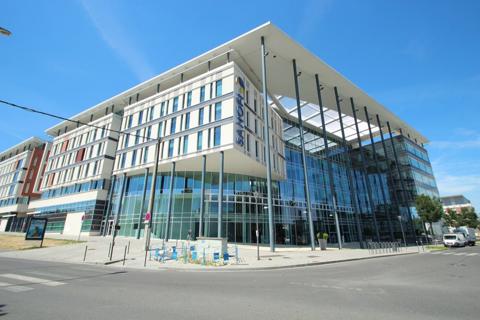
The Massy building photograph is a later public exterior used to map the operating institution in France; it is not presented as the place of Berkshire’s share purchases or as the company’s entire global headquarters complex in 2010.
This memory captures a disciplined portfolio lesson: durable medical demand and scientific capability can attract long-term capital, yet a market price below cost forces attention back to pipeline quality, capital allocation, and the difference between an appealing industry story and realized per-share value.
**Sources:** Berkshire Hathaway 2010 annual report and shareholder letter; Berkshire Hathaway Form 13F-HR for the quarter ended 31 December 2010; Sanofi-Aventis 2010 annual review.
**Image:** “Immeuble Sanofi à Massy en Essonne le 2 août 2015 - 2.jpg,” Lionel Allorge, 2 August 2015, CC BY-SA 3.0, Wikimedia Commons.















































 expand_more