Finance History | Berkshire’s Kraft Foods Stake
volume_up
Listen
directions
Directions
On 31 December 2010, Berkshire Hathaway reported 97,214,584 Kraft Foods shares, equal to 5.6% of the company, with an aggregate cost of US$3.207 billion and a market value of US$3.063 billion.
Kraft was one of the larger disclosed equity positions in Berkshire’s year-end table, but the market value sat about US$144 million below cost, a useful reminder that a famous consumer franchise does not guarantee an immediate accounting gain.
Kraft’s 2010 Form 10-K described a global packaged-food company with US$49.2 billion of revenue, operations in more than 75 countries, sales in approximately 170 countries, and 223 manufacturing and processing facilities.
Its portfolio spanned biscuits, confectionery, beverages, cheese, convenient meals, and grocery products, with eleven brands generating more than US$1 billion of annual revenue, including Oreo, Cadbury, Maxwell House, Philadelphia, Kraft, and Oscar Mayer.
The company’s acquisition of Cadbury on 2 February 2010 enlarged both its geographic reach and its confectionery exposure, while also bringing integration costs, financing demands, and the challenge of converting projected synergies into realized cash earnings.
For an investor, this was a contest between the durable advantages of household recognition and distribution scale and the less forgiving arithmetic of acquisition price, debt, commodity inputs, promotional spending, currency movements, and retailer bargaining power.
Berkshire’s ownership percentage made the economic consequences meaningful without giving it operational control, so results depended on Kraft management’s capital allocation and execution after a transformative transaction.
Buffett’s 2010 portfolio discussion distinguished quoted market prices from intrinsic economic progress, emphasizing that retained earnings belonging proportionally to Berkshire could matter even when only dividends appeared in Berkshire’s reported operating earnings.
That principle is especially relevant for branded food companies, where reinvestment in advertising, product renovation, manufacturing efficiency, and distribution can defend consumer habits, yet weak reinvestment or overpayment can erode the very moat that scale appears to promise.
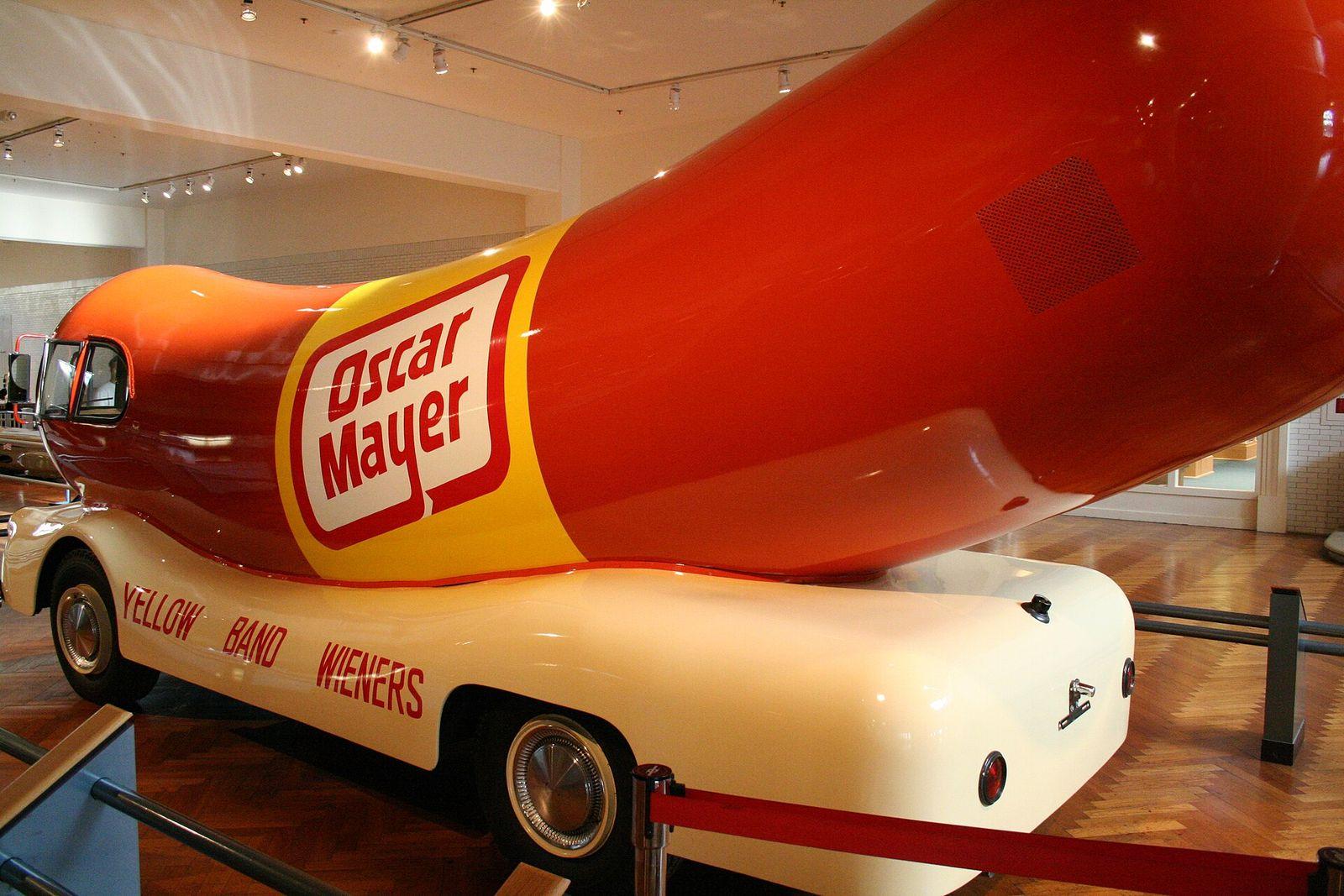
The photographed 1950s Oscar Mayer Wienermobile at The Henry Ford serves as a museum-based product and brand-history anchor because Oscar Mayer was part of Kraft’s portfolio, not because Berkshire’s securities transaction occurred there.
This year-end snapshot preserves both sides of Berkshire’s consumer-brand discipline: the appeal of repeat-purchase products and broad distribution, and the insistence that even excellent brands must be evaluated against purchase price, managerial decisions, and competitive economics.
**Sources:** Berkshire Hathaway 2010 annual report and shareholder letter; Berkshire Hathaway Form 13F-HR for the quarter ended 31 December 2010; Kraft Foods 2010 Form 10-K.
**Image:** “HFM 1950s Oscar Mayer Wienermobile.jpg,” Gregory Varnum, 2 January 2007, CC BY-SA 3.0, Wikimedia Commons.























































 expand_more