Finance History | Berkshire’s Procter & Gamble Stake
volume_up
Listen
directions
Directions
On 31 December 2010, Berkshire Hathaway’s portfolio table listed 72,391,036 Procter & Gamble shares, representing 2.6% of the company, carried at an aggregate cost of US$464 million and a market value of US$4.657 billion.
The roughly tenfold relationship between quoted value and tax basis made this position an unusually vivid example of embedded appreciation, although market value remained a fluctuating price rather than a guarantee of cash proceeds.
Much of Berkshire’s Procter & Gamble ownership traced to P&G’s 2005 acquisition of Gillette, which converted Berkshire’s long-held Gillette investment into shares of a larger consumer-products company and preserved exposure to brands sold through everyday retail channels.
P&G’s 2010 Form 10-K described a business focused on branded consumer packaged goods marketed in more than 180 countries, with categories spanning beauty, grooming, healthcare, fabric and home care, snacks and pet care, and family and baby care.
Its economics relied on consumer trust, product performance, shelf presence, advertising, innovation, retailer relationships, and the ability to repeat billions of relatively small purchases across a vast distribution system.
Those strengths were paired with practical risks: commodity and packaging costs could compress margins, foreign exchange could alter reported results, private labels and branded rivals could take share, and trade promotions could consume revenue without building durable preference.
The low Berkshire cost basis did not make those operating questions irrelevant, because a historical gain can still be damaged when a company allocates capital poorly or allows brand relevance and product quality to weaken.
Buffett’s 2010 letter explained that Berkshire viewed marketable securities as interests in businesses and looked beyond dividends to the portion of earnings that investees retained on Berkshire’s behalf.
For a company such as P&G, the quality of those retained earnings depended on whether spending for research, manufacturing, marketing, and expansion reinforced pricing power and future cash generation rather than merely maintaining corporate scale.
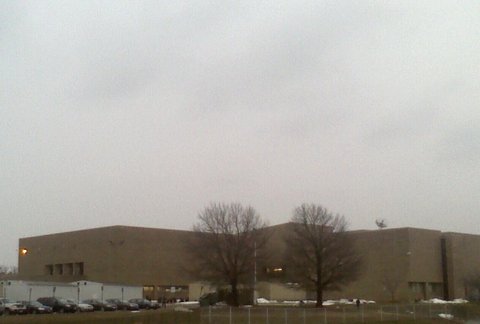
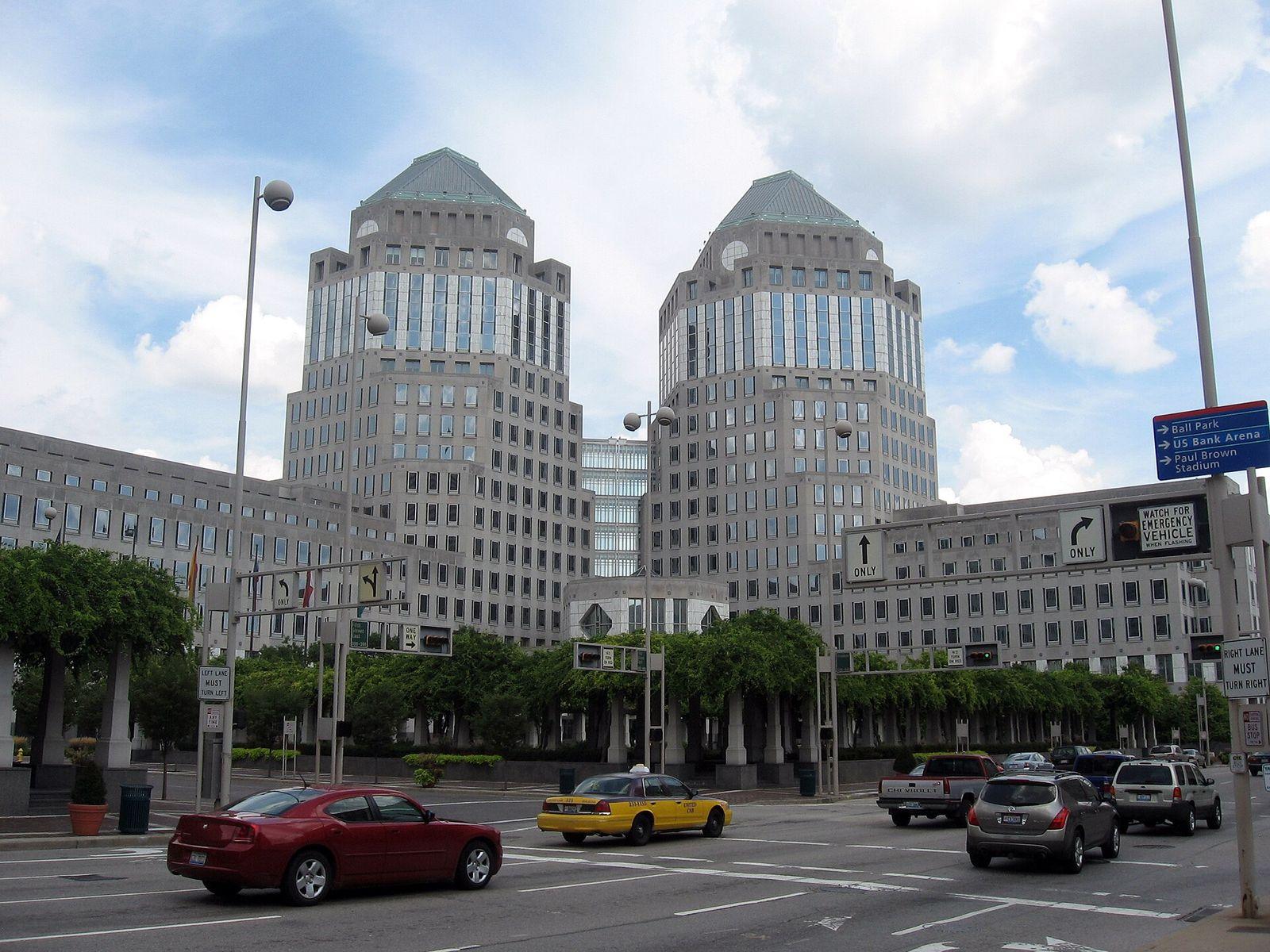
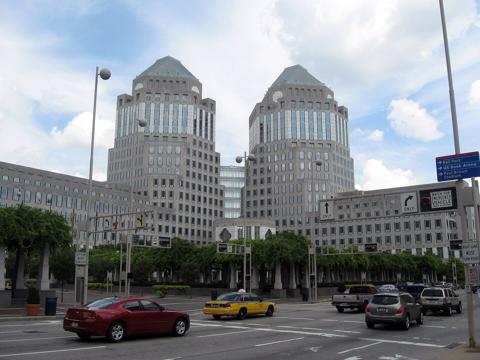
The Cincinnati headquarters photograph is a public-street architectural anchor for the operating company and its long institutional history, not the location of Berkshire’s original Gillette purchase or the later share conversion.
This financial-history moment therefore combines two Berkshire themes: patience allowed a modest tax basis to become a multi-billion-dollar quoted stake, while ongoing business analysis remained necessary because the next decade’s value would be earned through consumers, products, and disciplined reinvestment rather than through the old purchase price.
**Sources:** Berkshire Hathaway 2010 annual report and shareholder letter; Berkshire Hathaway Form 13F-HR for the quarter ended 31 December 2010; Procter & Gamble 2010 Form 10-K.
**Image:** “Procter&GambleWorldHQ.jpg,” Jere Keys, 15 August 2008, CC BY 2.0, Wikimedia Commons.
























































 expand_more