Finance History | Berkshire’s Costco Wholesale Stake
volume_up
Listen
directions
Directions
On 31 December 2010, Berkshire Hathaway’s Form 13F disclosed 4,333,363 Costco Wholesale shares with a market value of US$312.912 million, making the warehouse retailer a smaller public-equity position than the giant holdings highlighted in Berkshire’s annual letter.
The filing is the appropriate quarter-end source because Berkshire’s annual portfolio table separately emphasized common-stock investments whose market value exceeded US$1 billion, a threshold Costco did not meet.
Costco’s 2010 Form 10-K described a membership-warehouse model designed around low prices, limited product selection, rapid inventory turnover, high sales volumes, and no-frills facilities that sought to pass operating efficiencies to members.
For the 52 weeks ended 29 August 2010, Costco reported US$76.255 billion of net sales and US$1.691 billion of membership fees, with membership fees equal to 2.22% of net sales and total cardholders reaching about 58 million.
That mix reveals the model’s central financial tension: merchandise margins were deliberately restrained to reinforce customer value, while membership income, renewal behavior, traffic, purchasing scale, and expense control helped support profitability.
The approach could create a reinforcing loop in which trusted pricing attracts loyal members, member volume improves purchasing economics, and the resulting value proposition supports renewals and additional warehouse growth.
It also carried risks from thin merchandise margins, wage and occupancy costs, inventory execution, gasoline-price effects, currency movements, new-site returns, and competition from other clubs, supermarkets, mass merchants, and online sellers.
Berkshire’s disclosed share count represented economic participation rather than control, so the investment case depended on Costco management protecting member trust while expanding without weakening unit economics.
The year-end market figure was a snapshot, while Buffett’s broader portfolio framework treated quoted shares as fractional ownership in businesses whose retained earnings could compound value when reinvested intelligently.
Costco made that owner perspective particularly concrete because much of the franchise’s strength was not a factory or patent, but a repeated bargain between the company and members who chose to renew access to its warehouses.
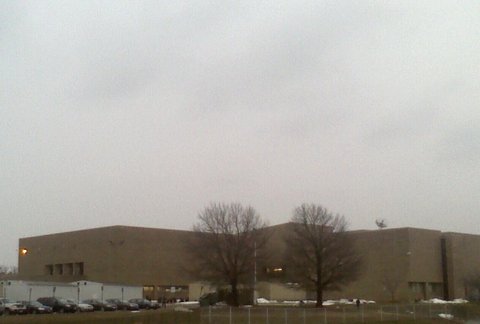
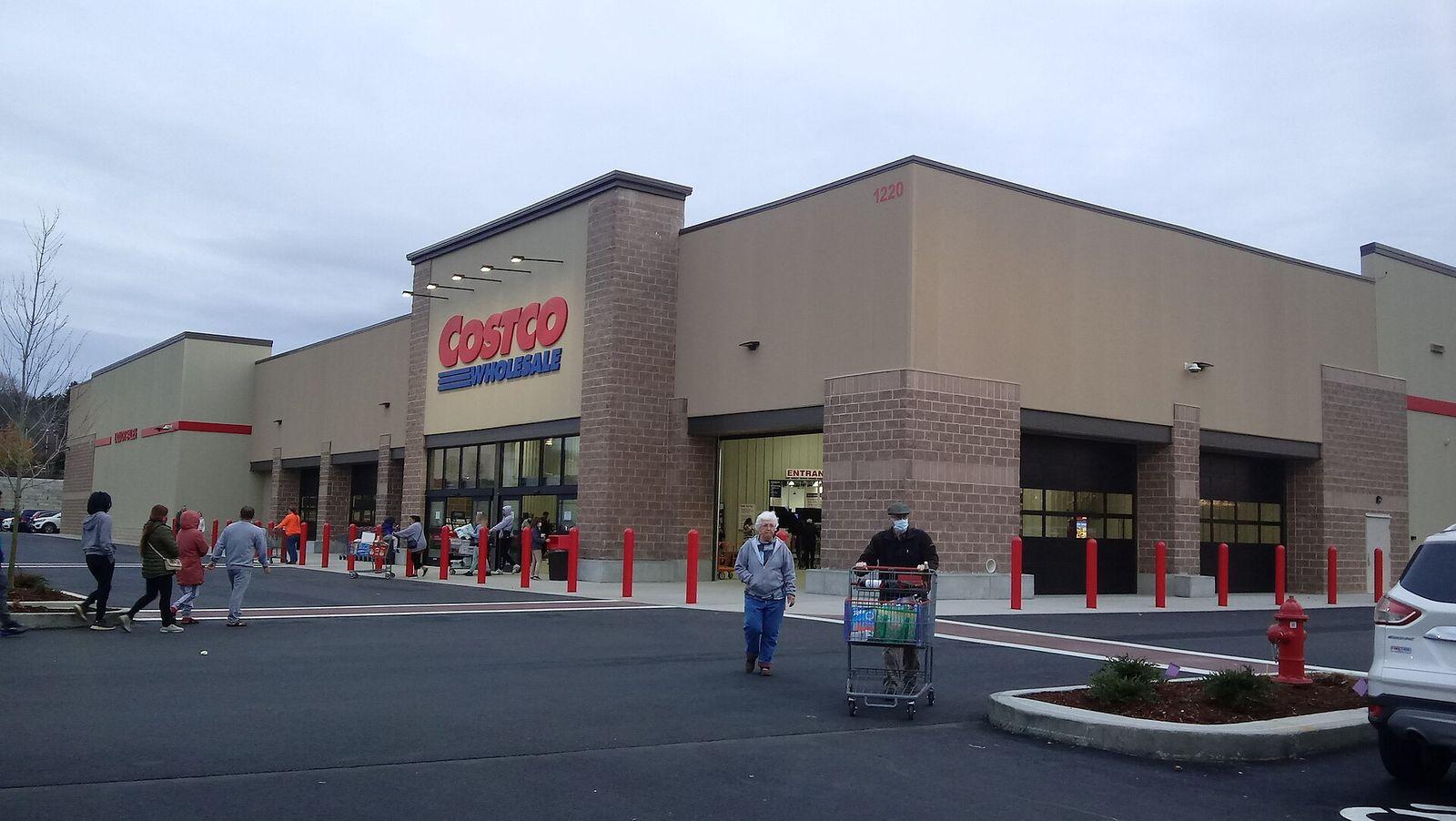
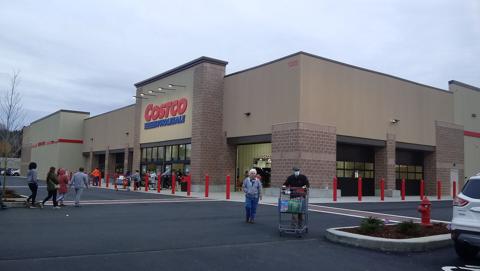
The South Windsor photograph is a later public retail anchor showing the customer-facing format; it does not identify where Berkshire purchased shares and is not evidence about the specific warehouse base in 2010.
This financial-history memory preserves a modest position with an outsized conceptual fit: a transparent value proposition, recurring membership economics, disciplined operations, and a business model whose durability ultimately had to be measured through member behavior and per-share results.
**Sources:** Berkshire Hathaway Form 13F-HR for the quarter ended 31 December 2010; Berkshire Hathaway 2010 annual report and shareholder letter; Costco Wholesale 2010 Form 10-K.
**Image:** “Costco Wholesale Club.jpg,” Jacob Blanck, 22 November 2021, CC BY-SA 4.0, Wikimedia Commons.





















































 expand_more