Finance History | Fullerton Building, 1 January 1971 — Singapore Gathered Monetary Control into One Authority
volume_up
Listen
directions
Directions
On 1 January 1971, the Monetary Authority of Singapore began operations from its first office in the Fullerton Building. The new statutory body brought central-banking functions that had been divided among government departments into a single institution.
Singapore had become independent in 1965 without creating a conventional central bank. Financial responsibilities were dispersed: the Ministry of Finance, the Accountant-General’s Department, and other offices handled monetary, banking, debt, and reserve functions. Currency remained the responsibility of a separate currency board, reflecting a preference for firm backing and limits on discretionary note issue.
Parliament enacted the Monetary Authority of Singapore Act in 1970. It established a corporate authority able to act as banker and financial agent to the government, manage official foreign reserves, conduct credit and exchange policy, supervise banks, and develop the financial system. Staff carrying out the transferred functions became employees of the new authority on 1 January.
The institutional design was unusual. MAS combined monetary-policy and financial-supervision responsibilities, but it did not initially issue legal-tender currency. The Board of Commissioners of Currency, Singapore continued that task until its merger with MAS in 2002. Singapore therefore acquired a monetary authority in stages rather than copying a single foreign central-bank model.
Hon Sui Sen, the finance minister, served as the first chairman. The overlap reflected the close relationship between fiscal administration, reserve management, industrial policy, and the development of Singapore as an international financial centre. Operational capacity and regulatory credibility were being built at the same time as the domestic banking market expanded.
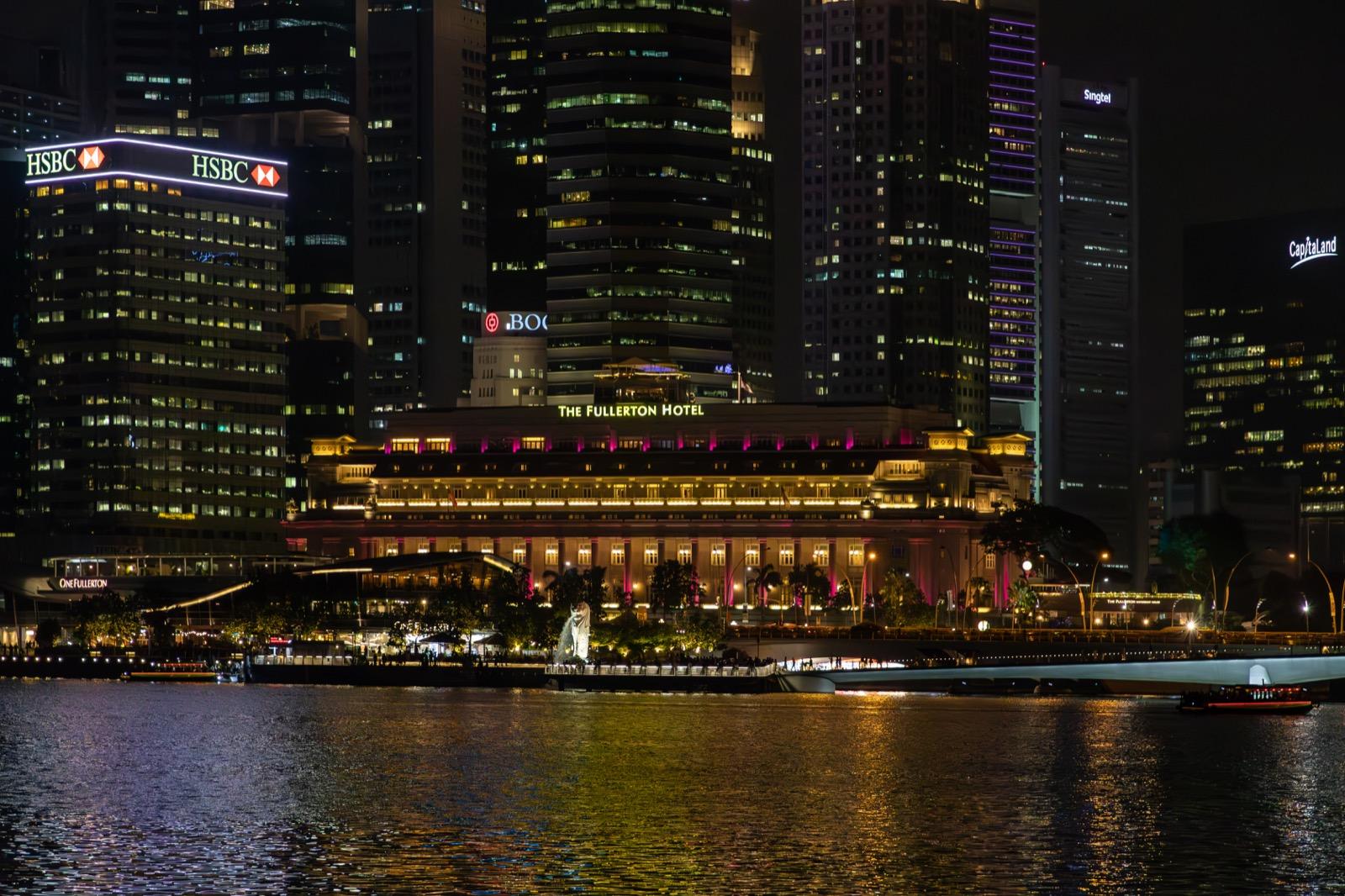
The Fullerton Building was a fitting first address. Opened in 1928 as the General Post Office and a home for several public agencies, it also housed the Ministry of Finance. Financial administration could be consolidated without waiting for a purpose-built central-bank headquarters.
MAS later moved to Shenton Way, developed exchange-rate-centred monetary policy, expanded market supervision, and took over currency issuance. Those later roles grew from the 1971 decision to place monetary stability and financial administration inside one authority.
At the mouth of the Singapore River, a former communications hub became the first office of a new financial hub. Singapore’s central-banking capacity began not with a note issue, but with an institutional merger of powers.
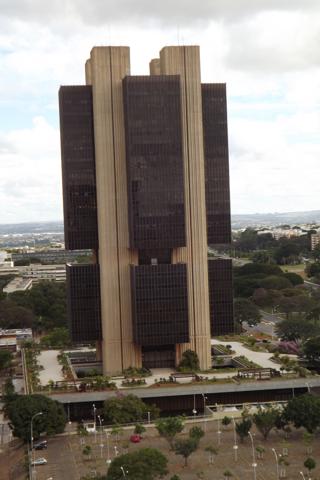
Image: “Singapore (SG), The Fullerton Hotel — 2019 — 4681” by Dietmar Rabich, licensed CC BY-SA 4.0, via Wikimedia Commons.









 expand_more