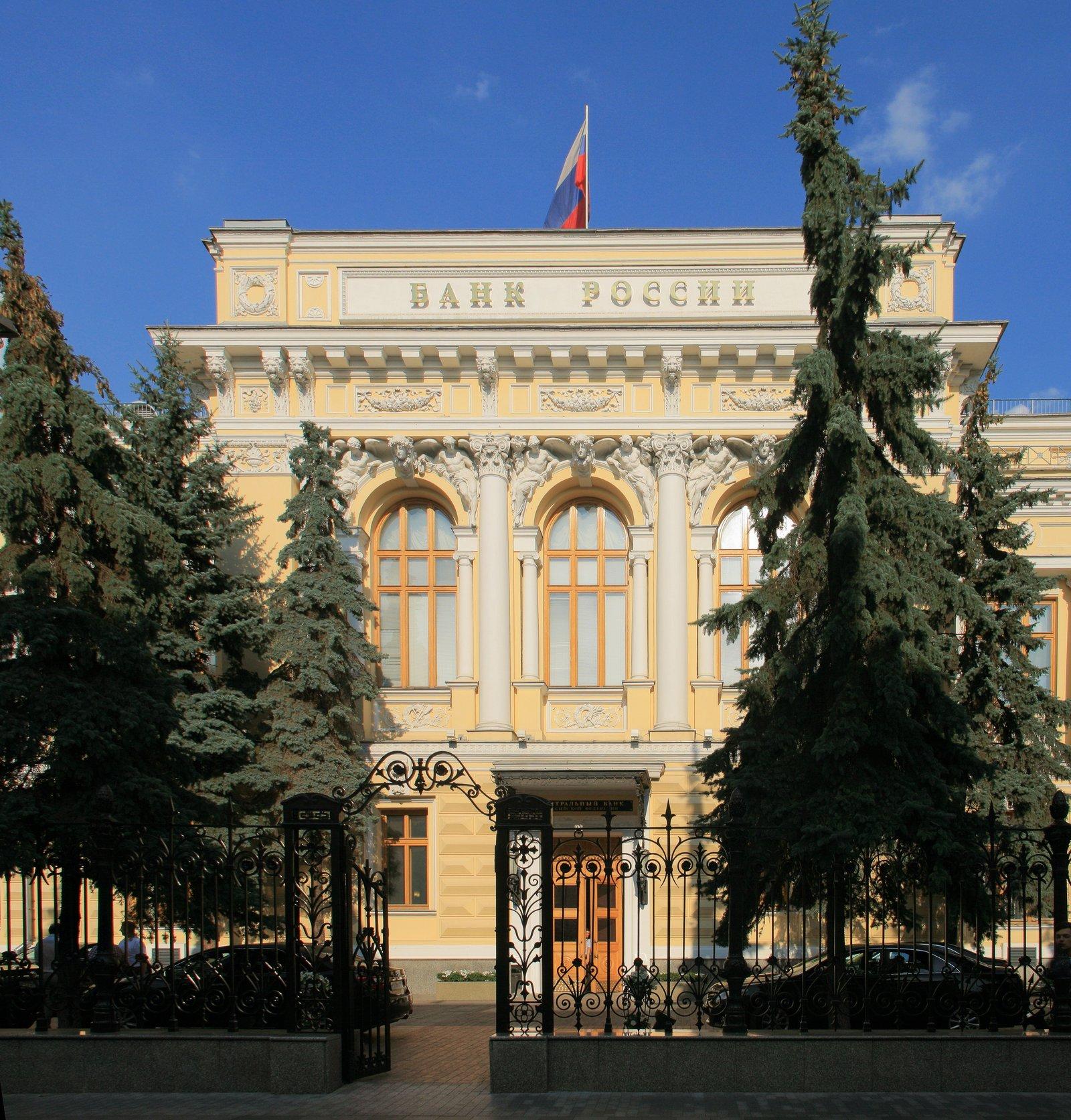
Finance History | Банк России Bank of Russia, Neglinnaya 12, Moscow, 17 August 1998 — The Morning That Made Liquidity Expensive Everywhere
volume_up
Listen
directions
Directions
On the morning of 17 August 1998 the Russian government and the Bank of Russia put out a joint statement that did three things at once, and the third one travelled furthest.
First, the rouble's trading band was widened to between 6.0 and 9.5 to the US dollar for the rest of the year, with the central bank saying it would step in only to smooth sharp swings. The rate on 14 August had been 6.29.
Second, domestic treasury paper maturing to the end of 1999, the GKO and OFZ bills that had been financing the state at punishing yields, would be exchanged for new securities. Trading in them was suspended until the exchange was complete, with terms promised for 19 August.
Third came a ninety-day moratorium, effective that day, on repayment of principal on credits from non-residents with maturities over 180 days.
That third measure reached beyond Russian borders because of what it covered. It applied to Russian banks' obligations on currency forward contracts and to margin calls on their repurchase agreements with foreign banks, which turned a sovereign fiscal problem into a counterparty problem for anyone who had hedged rouble exposure through a Moscow bank.
Money then did what frightened money does. Investors moved towards whatever was safest and easiest to sell, and the premium demanded for holding anything less liquid rose sharply in markets that had nothing to do with Russia.
This is where a fund in Greenwich, Connecticut, comes in. Long-Term Capital Management held roughly 80 percent of its balance sheet in G-7 government bonds and had bet that liquidity, credit and volatility spreads would narrow from historically wide levels.
They widened instead, everywhere, at the same time.
The finding that later mattered most was that the fund was spread across global markets but concentrated in a single idea. Its diversification was geographic and its risk was not.
By 31 August it had over $125 billion of assets against $2.3 billion of capital, and on 23 September fourteen firms recapitalised it in a room at the Federal Reserve Bank of New York.
Russia's own reckoning was heavier. The central bank floated the rouble on 2 September, and by 9 September it took 21 roubles to buy a dollar, more than three times the rate of three weeks earlier.
Inflation for 1998 reached 84 percent, and savings held in roubles were worth a fraction of what they had been in July. The moratorium expired on 15 November 1998 and was not renewed.
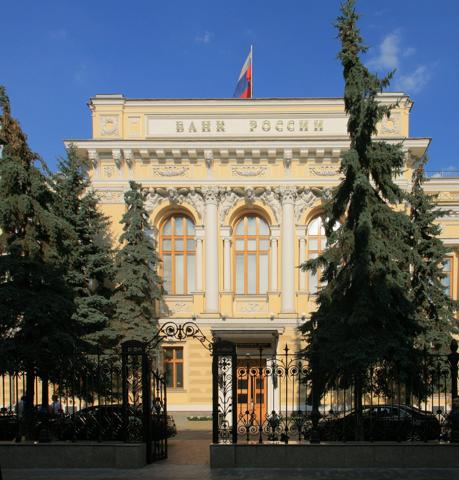
Neglinnaya 12 is the working head office of the Bank of Russia, with the name across the frieze above the entrance and railings along the street. Everything worth seeing is visible from the pavement, which is as close as any visitor should plan to get.
Photo: Ludvig14, CC BY-SA 4.0, via Wikimedia Commons.








 expand_more