


Dynastic History|Candi Siwa, Prambanan — The Compulsory Work Day
· 856
Personal memoryBy kevin · · Report an issue










.jpg/1600px-Isle_of_Skye_-_Neist_Point_Lighthouse_at_sunset_(50666980882).jpg)






































Find memories left by people near you.
Distribute Bounty
This will distribute the bounty equally among all qualifying memories. This action cannot be undone.
Cancel Bounty
Are you sure you want to cancel this bounty? The remaining amount will be refunded to your account.
Success!
Operation completed successfully.
Error
Something went wrong.
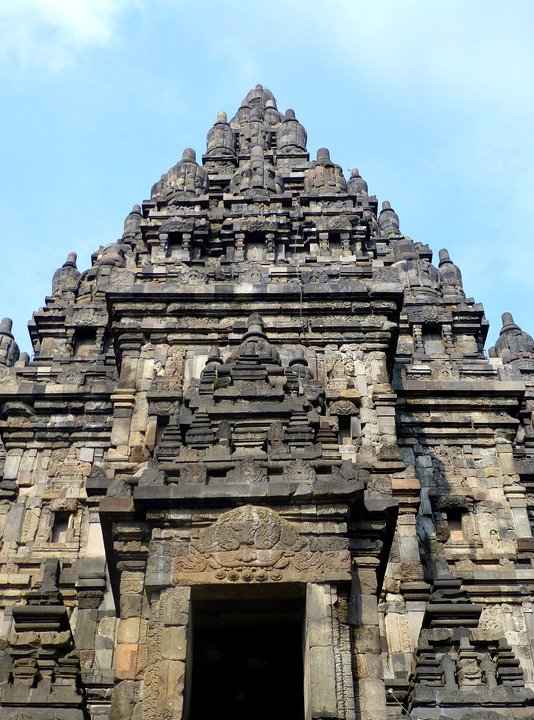
Dynastic History|Candi Siwa, Prambanan — The Compulsory Work Day
kevin
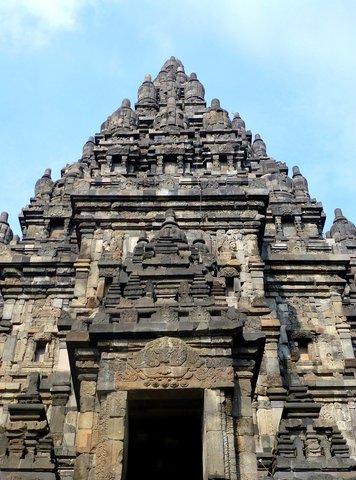
The inscription that names this place was cut in Śaka 778, that is 856 CE, and issued under Dyah Lokapāla, Rakai Kayuwangi, after Rakai Pikatan gave up the kingship to him. It calls the compound Śivagṛha, the house of Śiva. J.G. de Casparis published the translation in 1956, and the text is most useful where it is least grand.
It records the day fixed for compulsory work on behalf of the gods, when the men in command performed the ceremonies and crowds came in. Then comes the rice land attached to the Śiva temple, two tampah, held as a freehold by the paměgět of Wantil, with the people answerable for it named one by one: the patih called si Kling, three gustis (si Jana, rasi Kandut, rasi Sanab), the winěkas si Banyaga, the wahutas. A river was shifted out of the way of the building ground. The stanzas also mention a rival who heaped up stones by the hundreds for a refuge; whether that was Bālaputra, as was long assumed, or Rakai Walaing pu Kumbayoni, as later scholarship suggests, is unsettled.
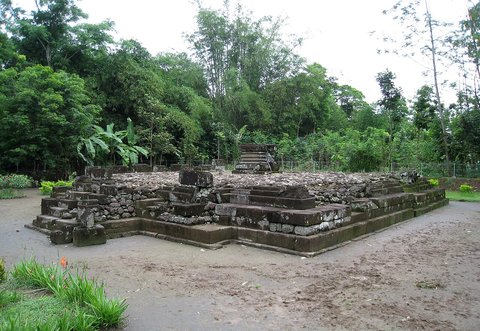
The temple standing over that ground is a reassembly. The Yogyakarta heritage office dates the start of work to 1918, continued under van Romondt from 1935, with the Śiva temple completed and inaugurated by President Sukarno in 1953; Brahma followed between 1977 and 1987, Viṣṇu between 1982 and 1991. Of the 224 smaller perwara temples, set in rows of 68, 60, 52 and 44, only a handful have gone back up. A shrine is rebuilt only when enough of its own stones can be found; the rest are foundations and scattered blocks.
📸 Cover: the Śiva temple at Prambanan, as identified by the photographer, November 2013, Photo Dharma, CC BY 2.0 via Wikimedia Commons
changes?
delete this memory?
We detected that you have a Blox in your crypto wallet! We will import the Blox into your account.
Click on done below to complete the import.
Welcome Back!
Sign in to preserve cherished moments
Don't have an account?
Welcome!!
Sign up and start preserving cherished moments
?
?
Choose your payment method
Buy with Metablox Credit
Do you want to mint Blox with Metablox Credit?
Which Crypto would you like to use?
Purchase Confirmed!
Your Blox is being minted on-chain and will appear in your profile shortly.
Log in or sign up to claim your Blox.
How many credits do you want to buy?
$100 USD = 1 Metablox Credit = 1 Blox.
Use Metablox Credit to mint any Blox you want on the map.
 expand_more