

- Home
- Finance History | Berkshire Hathaway | Mills, Float and Durable Economics
- Finance History | See's Candies, South San Francisco, 1972 — The US$25 Million Purchase That Changed What Berkshire Would Buy
Finance History | See's Candies, South San Francisco, 1972 — The US$25 Million Purchase That Changed What Berkshire Would Buy
· 1972
Personal memoryBy kevin · · updated · Report an issue
Find memories left by people near you.
Distribute Bounty
This will distribute the bounty equally among all qualifying memories. This action cannot be undone.
Cancel Bounty
Are you sure you want to cancel this bounty? The remaining amount will be refunded to your account.
Success!
Operation completed successfully.
Error
Something went wrong.
Finance History | See's Candies, South San Francisco, 1972 — The US$25 Million Purchase That Changed What Berkshire Would Buy
kevin
See's required only US$8 million of net tangible assets in 1972 dollars to earn about US$4 million before tax in 1972 dollars.
Blue Chip Stamps, then controlled by Warren Buffett and Charlie Munger and later merged into Berkshire Hathaway, paid US$25 million in 1972 dollars for the candy company. The price was more than three times those tangible assets, a multiple that challenged Buffett's habit of buying businesses mainly because their physical assets looked cheap.
The missing asset was customer attachment. See's could raise prices without requiring a comparable expansion of factories, receivables or inventory, because customers associated the brand with a specific gift and a consistent product.
Its cash cycle helped. Customers paid at the counter, eliminating accounts receivable, while a short production-and-distribution cycle limited inventory; the company could therefore generate earnings without tying up much additional capital.
That is why See's became a model for Berkshire's later acquisitions. A business earning high returns on modest tangible capital can send cash to its owner, which can invest the proceeds elsewhere instead of forcing them back into the same operation.
The lesson differed sharply from textiles. Mills demanded continued spending simply to compete, while a durable consumer franchise could preserve its position through product quality, service and pricing power.
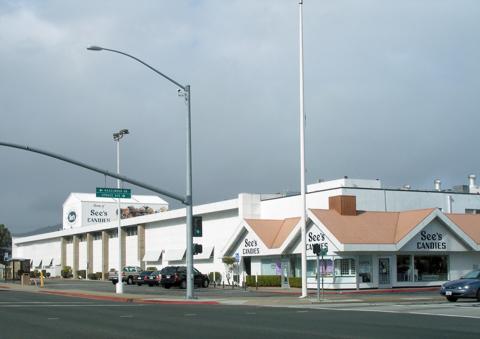
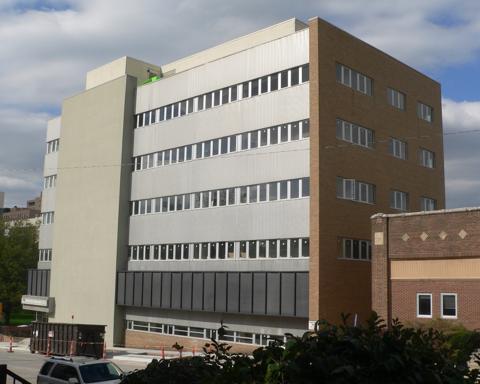
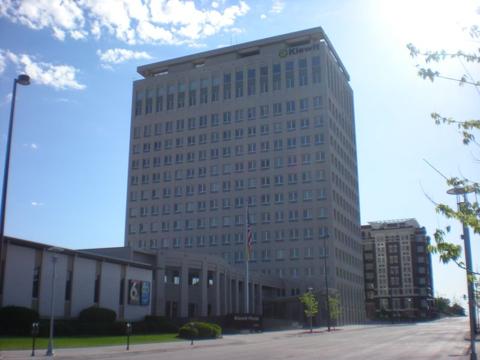
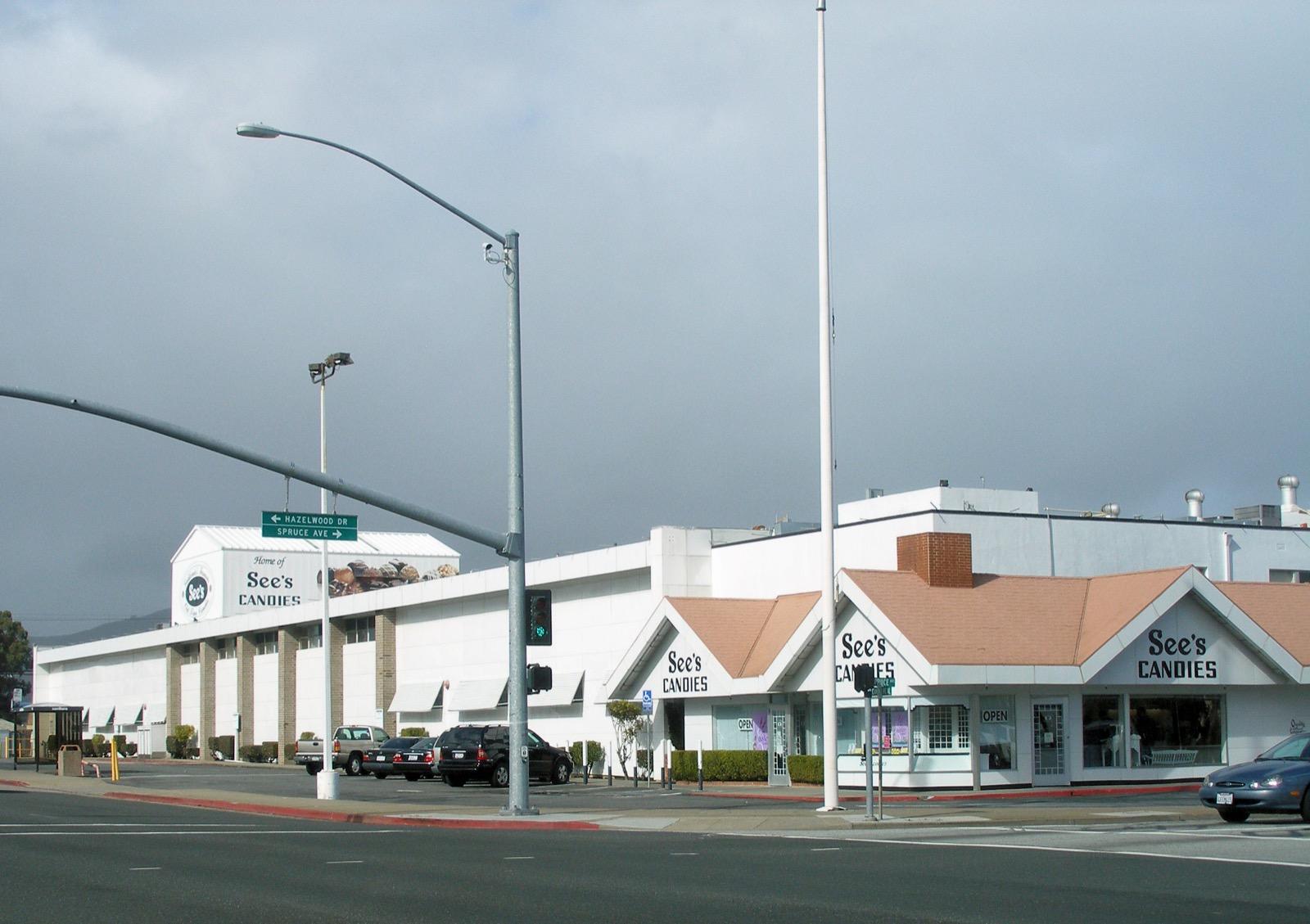
The South San Francisco plant at 210 El Camino Real had been constructed in the mid-1950s and became the company's headquarters after the acquisition. The building anchors the place where a familiar retail brand turned into a practical education in intangible value.
By 2007, Berkshire reported that See's had required only a nominal US$32 million of additional capital from 1972 through 2007 while producing a nominal US$1.35 billion of cumulative pretax earnings over the same period. The accounting figures made visible what the 1972 purchase had revealed: earning power can reside in habits and reputation rather than machinery.
Photo: Coolcaesar, CC BY-SA 3.0, via Wikimedia Commons.
changes?
delete this memory?
We detected that you have a Blox in your crypto wallet! We will import the Blox into your account.
Click on done below to complete the import.
Welcome Back!
Sign in to preserve cherished moments
Don't have an account?
Welcome!!
Sign up and start preserving cherished moments
?
?
Choose your payment method
Buy with Metablox Credit
Do you want to mint Blox with Metablox Credit?
Which Crypto would you like to use?
Purchase Confirmed!
Your Blox is being minted on-chain and will appear in your profile shortly.
Log in or sign up to claim your Blox.
How many credits do you want to buy?
$100 USD = 1 Metablox Credit = 1 Blox.
Use Metablox Credit to mint any Blox you want on the map.
expand_more