


Dynastic History | Ambohimanga — The Year the Tombs Were Emptied, and the Pilgrims Who Kept Coming
· 1897
Personal memoryBy kevin · · updated · Report an issue
















































Find memories left by people near you.
Distribute Bounty
This will distribute the bounty equally among all qualifying memories. This action cannot be undone.
Cancel Bounty
Are you sure you want to cancel this bounty? The remaining amount will be refunded to your account.
Success!
Operation completed successfully.
Error
Something went wrong.
Dynastic History | Ambohimanga — The Year the Tombs Were Emptied, and the Pilgrims Who Kept Coming
kevin
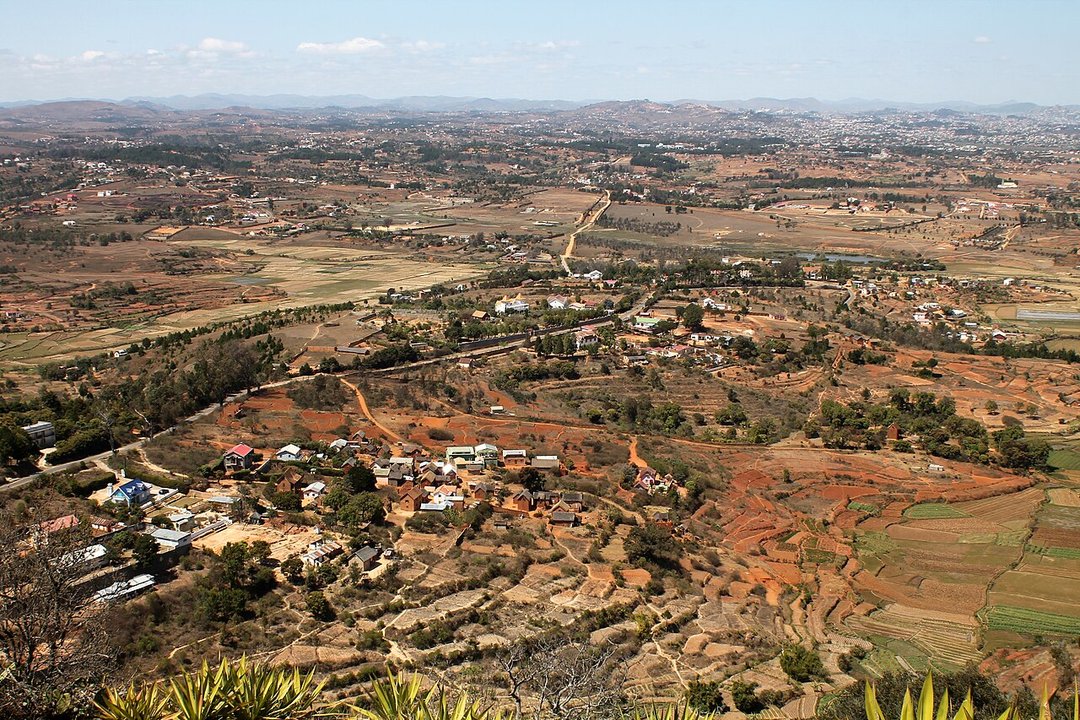
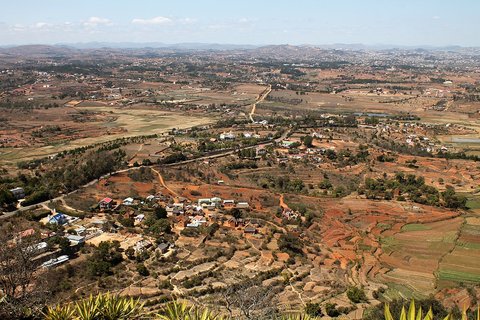
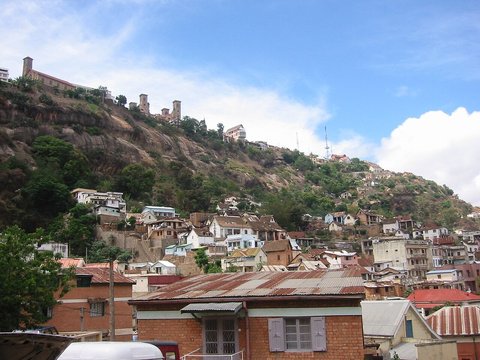
Ambohimanga stands on a hill north-east of Antananarivo, one of the twelve hills of Imerina, walled and gated, with rice country falling away below it. It was a political capital before Antananarivo was; the Metropolitan Museum of Art's account of the site places that shift in the reign of Andriantsimitoviaminandriana in the 1740s. Its principal gate was closed at night by rolling a stone disc of some twelve tonnes across the opening. Sources differ on how many gates the defences had, which is a fair signal of how the record stands.
Much of what is told of the hill's early rulers comes from Merina oral traditions that were not written down until the late nineteenth century, in the compilation associated with the priest François Callet. Historians read those king lists as texts with an argument in them rather than as a register of reigns.
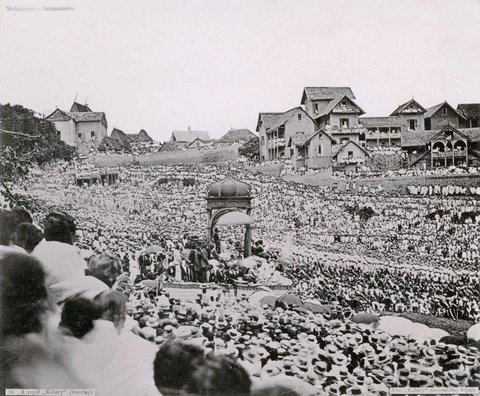
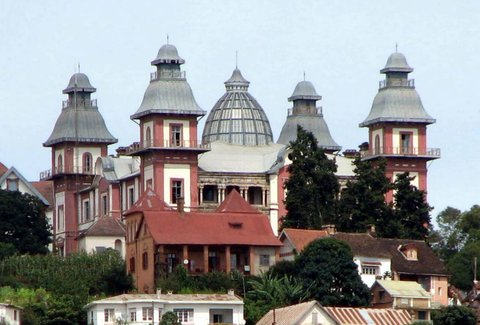
In 1897, the year the monarchy was abolished, the French colonial administration had the sovereigns buried at Ambohimanga exhumed and moved to the tombs at the Rova in Antananarivo, and the wooden tomb-houses here were pulled down. The removal is generally read as an attempt to break the hill's hold as a place of pilgrimage. It did not work: people kept coming, and in 2008 the tomb-houses were rebuilt on the hill using traditional materials and rites.
The site was inscribed on the World Heritage List in 2001, 59 hectares within a buffer zone of 425, and has been run since 2006 by a dedicated site office with about thirty staff. It is a working place of worship as much as a ticketed one, and visitors are asked to behave accordingly.
📸 Cover: The plain of Imerina seen from the royal hill of Ambohimanga, 2015 — area view, not the royal compound itself. Heinonlein, CC BY-SA 4.0 via Wikimedia Commons
changes?
delete this memory?
We detected that you have a Blox in your crypto wallet! We will import the Blox into your account.
Click on done below to complete the import.
Welcome Back!
Sign in to preserve cherished moments
Don't have an account?
Welcome!!
Sign up and start preserving cherished moments
?
?



Choose your payment method
Buy with Metablox Credit
Do you want to mint Blox with Metablox Credit?
Which Crypto would you like to use?
Purchase Confirmed!
Your Blox is being minted on-chain and will appear in your profile shortly.
Log in or sign up to claim your Blox.
How many credits do you want to buy?
$100 USD = 1 Metablox Credit = 1 Blox.
Use Metablox Credit to mint any Blox you want on the map.
 expand_more