Finance History | The White House, 16 June 1933 — Deposit Insurance Changed What a Bank Run Could Destroy
volume_up
Listen
directions
Directions
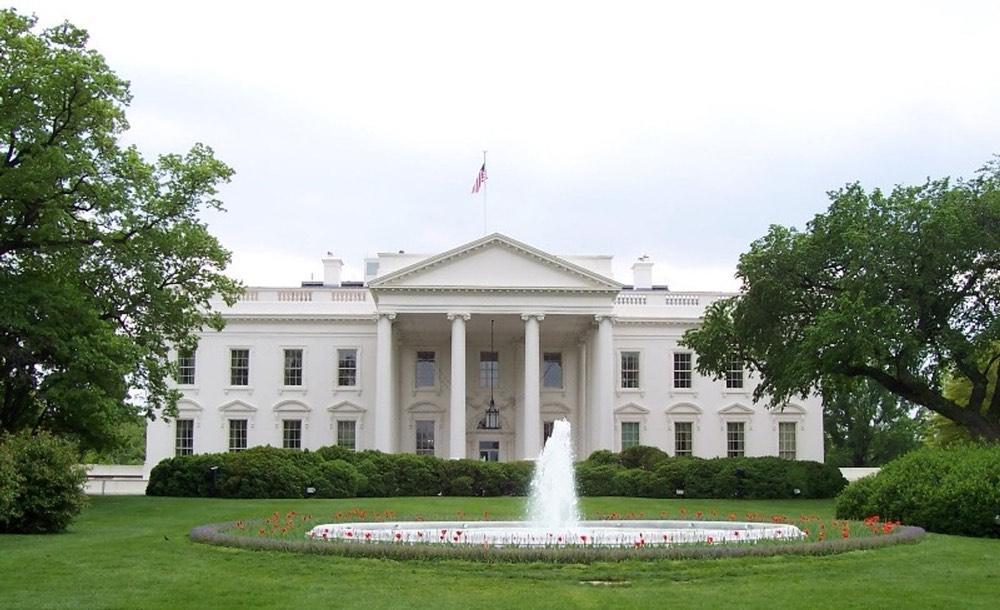
On 16 June 1933, President Franklin D. Roosevelt signed the Banking Act of 1933 at the White House. The law joined two reforms often remembered separately: the Glass-Steagall restrictions that divided commercial banking from much of the securities business, and the creation of the Federal Deposit Insurance Corporation.
Deposit insurance was the statute's most politically disputed element. Roosevelt, Senator Carter Glass, many bankers, and some economists worried that a federal guarantee would subsidize weak institutions or encourage reckless management, while Representative Henry Steagall and a public scarred by thousands of bank suspensions insisted that ordinary deposits needed protection.
The temporary insurance fund began operating on 1 January 1934 with coverage of up to $2,500 per depositor. Initial capital came from the U.S. Treasury and the twelve Federal Reserve Banks, while participating banks paid assessments, turning protection from a vague public expectation into a funded institutional promise.
Other provisions tried to reduce conflicts inside banking groups. Sections commonly called Glass-Steagall limited affiliations and personnel links between member banks and firms principally engaged in underwriting or dealing in securities, while the act also restricted interest on demand deposits and changed the Federal Reserve's open-market governance.
The measure did not make every bank safe, and deposit insurance created a lasting need for supervision, premiums, resolution powers, and limits on risk-taking. Its immediate effect was nevertheless profound: depositors at an insured institution no longer had to treat every rumor as a reason to race everyone else to the teller window.
The Banking Act of 1935 later made the federal insurance structure permanent and revised its design, but the institutional break occurred with this signature. The federal government accepted explicit responsibility for protecting defined bank deposits and for resolving failed insured banks, changing the relationship between household savings, private bank balance sheets, and public authority.
Sources: Federal Deposit Insurance Corporation, “1930–1939” historical timeline and “A Brief History of Deposit Insurance”; Federal Reserve History, “Banking Act of 1933 (Glass-Steagall)”; GovInfo, Banking Act of 1933, 48 Stat. 162. Photo: Edbrown05, public domain, via Wikimedia Commons.























 expand_more