Finance History | The Morgan Library, Madison Avenue, New York, 3 November 1907 — The Night One Man Was the Central Bank
volume_up
Listen
directions
Directions
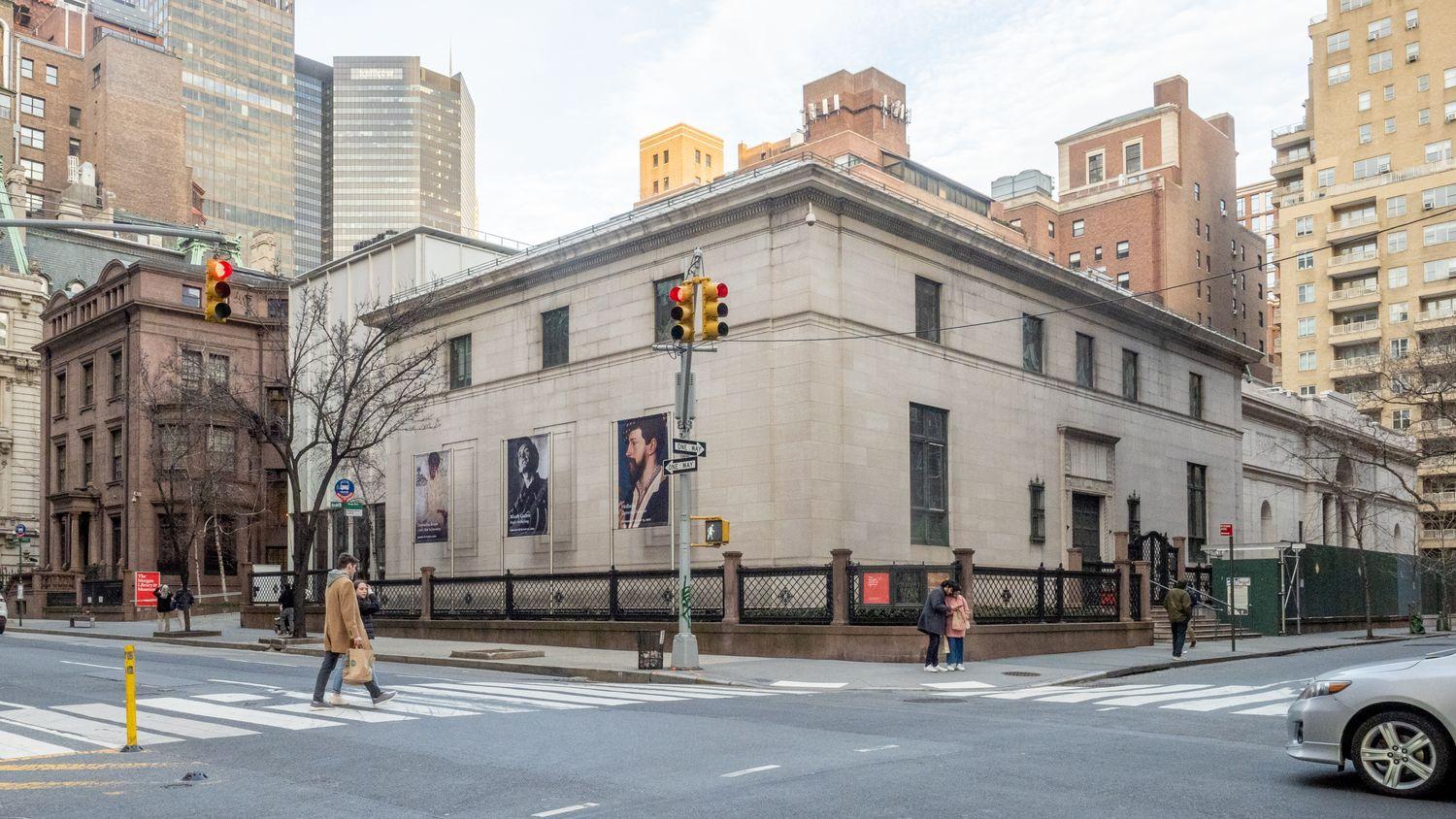
On the evening of Sunday 3 November 1907 the presidents of New York's trust companies were called to a private library on East 36th Street. Their host let them in and locked the front doors.
J. Pierpont Morgan had taken the keys to the building in late 1906 and by 1907 was spending most of his time there, largely retired from Wall Street. He was seventy.
The crisis had begun in October. A failed attempt to corner the stock of a copper company ruined the reputations of several bankers, and the damage spread to the trust companies, which were lightly regulated, uninsured, and outside the New York Clearing House.
On 18 October a run started on the Knickerbocker Trust, one of the largest in the city, after news broke that its president was tied to the men behind the copper affair. The Clearing House refused help because Knickerbocker was not a member. Morgan sent Benjamin Strong to examine the books, was told the solvency position was unclear, and declined to act.
Knickerbocker closed on 22 October, and the panic became general.
Morgan then spent a fortnight doing what no institution existed to do. He put together roughly $23 million to keep the New York Stock Exchange open, backed the Trust Company of America, and on the first weekend of November worked on the collapse of the brokerage Moore and Schley.
The library was the last of it. He required the trust presidents to open their books to each other and would not let them out until they had committed their own money to a common fund.
It worked. What it also did was demonstrate the argument against itself.
A country of eighty million people had just been rescued from a general banking panic by the private judgement of one elderly man in his own house, using his own money and his own address book. Within a year Congress had passed the Aldrich-Vreeland Act and set up the National Monetary Commission; in 1913 it created the Federal Reserve. Benjamin Strong, sent to read Knickerbocker's books, became the first head of the Federal Reserve Bank of New York.
The honest complication is that Morgan's choices were not disinterested. He was a director of the National Bank of Commerce, which had stopped clearing Knickerbocker's cheques and helped start the run; he let Knickerbocker die and rescued a very similar trust the next day, one with far closer ties to his own clients. Scholarship has taken that seriously rather than dismissing it.
Compare 1866 in London, where a central bank refused the insolvent house and lent freely to everyone else. Here there was no central bank, so a man performed the function in his library, and the United States decided afterwards that this was not a system.
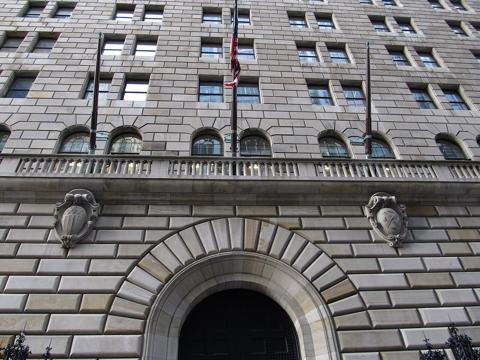
The building is now the Morgan Library and Museum and the room is open to visitors.
Cover photo: ajay_suresh, CC BY 2.0, via Wikimedia Commons.
Coordinates 40.749269, -73.981465, resolved by Nominatim for 225 Madison Avenue and agreeing with several independent Commons geotags to within about 30 m.









 expand_more