Finance History | Brussels Bourse, 27 December 1873 — A New Palace Centralized the City’s Exchange
volume_up
Listen
directions
Directions
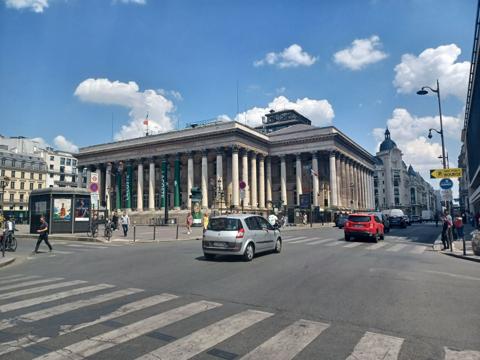
On 27 December 1873, Brussels formally opened its new Bourse Palace with a large inaugural ball attended by King Leopold II and Queen Marie Henriette. The building gave the city’s securities and commercial exchange a monumental home after decades in premises scattered around central Brussels.
The exchange itself was older. Napoleon had established a Brussels bourse by decree in 1801, and trading later occupied several addresses. By the middle of the nineteenth century, Belgium’s industrial growth, expanding companies, and financial transactions made a larger and more coherent market building desirable.
The Bourse became part of Mayor Jules Anspach’s transformation of the lower city. The Senne was covered, broad central boulevards were cut through the old urban fabric, and architect Léon-Pierre Suys was commissioned to make the exchange a focal point of the new streets.
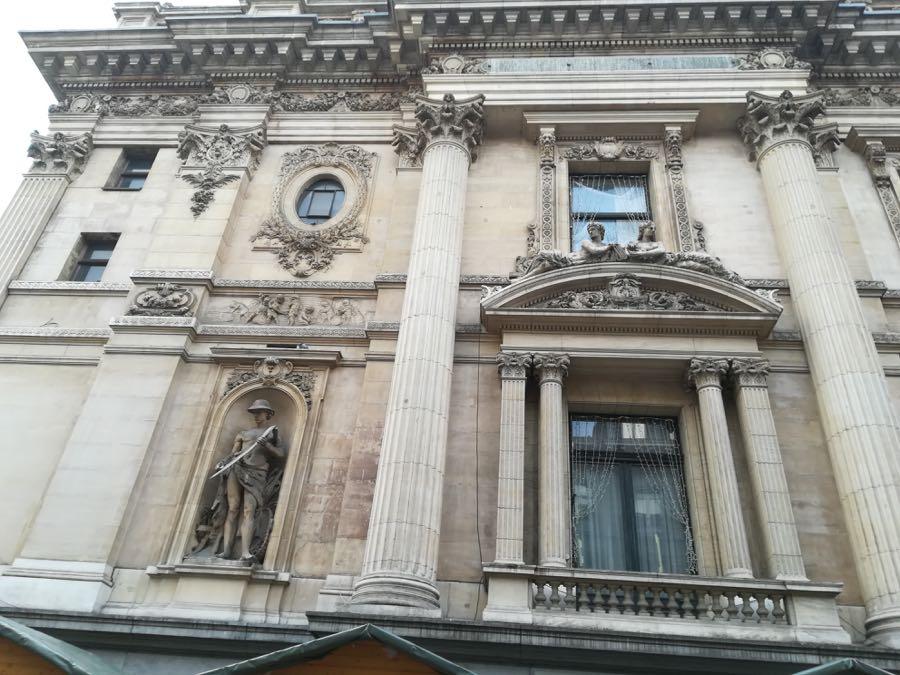
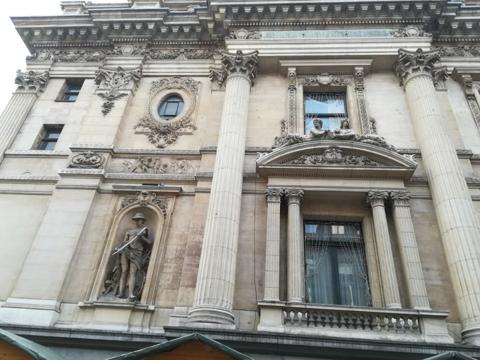
Construction began in 1868. Suys combined a basilical plan with neo-Renaissance, Second Empire, and Palladian elements: a monumental stair, Corinthian columns, a sculpted pediment, and a dome over the central hall. The rich programme of sculpture presented commerce and industry as civic forces.
Centralizing the exchange was both practical and symbolic. Brokers and merchants gained a common place for information, negotiation, and price discovery, while the city displayed finance as part of national modernization rather than a private activity hidden in rented rooms.
The December ceremony came before every construction detail and trading arrangement was complete, and exchange activity settled into the building during the following period. The distinction matters: 27 December marked the palace’s formal opening, not the creation of securities trading in Brussels.
Over time, technology reduced the need for a physical trading floor. Brussels joined the cross-border Euronext system, and the last exchange personnel left the building in 2014. After restoration, the Bourse reopened in 2023 as a public cultural and visitor space.
The financial institution moved into networks and screens, but its nineteenth-century architecture remained at the centre of Brussels. The palace made an exchange visible: a place where a growing industrial economy could gather its claims on companies, credit, and future income under one roof.
Photo: Noemilb16, CC BY-SA 4.0, via Wikimedia Commons.





_thumbnail.jpg)

 expand_more