Finance History | Ottawa Branch Mint, 2 January 1908 — Canada Began Striking Its Own Coins
volume_up
Listen
directions
Directions
On 2 January 1908, Governor General Earl Grey activated the presses at the Ottawa branch of Britain’s Royal Mint, and the first coin struck was a Canadian silver fifty-cent piece. The ceremony marked the start of regular Canadian coin production in Canada rather than at the Royal Mint in London.
The new building at 320 Sussex Drive addressed distance, supply, and control. Canadian commerce already used nationally denominated coins, but overseas production required long planning and shipment, while growing domestic mining created bullion that could be refined and coined closer to its source.
Minting turned metal into a public financial instrument through controlled measurement. Bullion had to be weighed and assayed, adjusted to legal fineness, rolled to thickness, cut into blanks, struck between dies, and checked before issue. Each stage protected the relationship between the number stamped on a coin and the metal and authority behind it.
Opening a branch in Ottawa increased operational capacity without amounting to complete independence from Britain. London initially supplied important tools and master designs, and the institution remained a branch of the Royal Mint. Canada gained the ability to manufacture its own circulating coins while still working inside an imperial technical and legal framework.
The mint’s role soon extended beyond striking. Refining began in 1911, helping convert Canadian gold into material suitable for coinage and other high-purity uses. That capability linked mines, banks, government accounts, and international settlement more directly, because assayed bullion could move through a trusted domestic institution rather than relying entirely on foreign facilities.
The Ottawa branch later became the Royal Canadian Mint, but the opening remains significant because it localized a critical monetary operation. A currency needs laws and public confidence, yet it also needs secure workshops that can translate specifications into enough consistent objects for daily exchange.
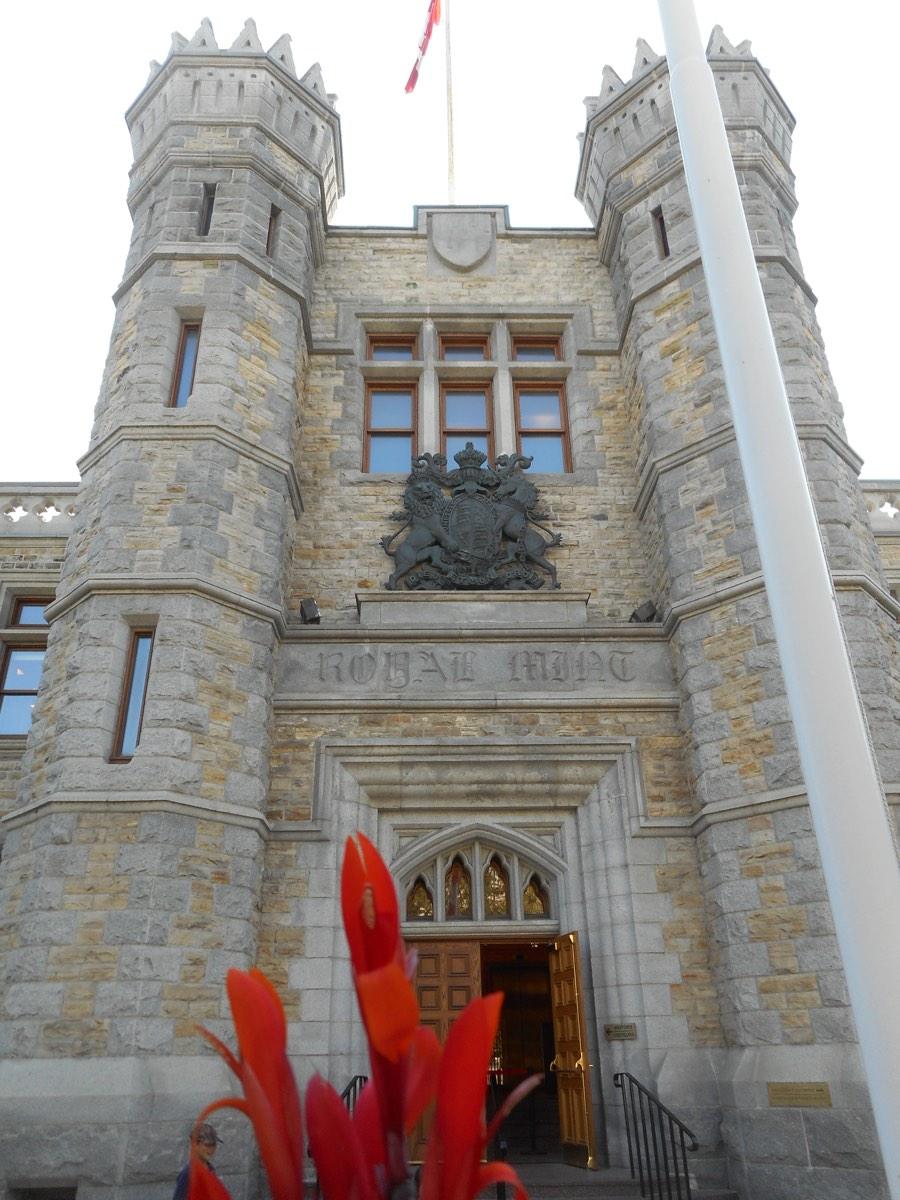
The historic Sussex Drive façade survives, although parts of the complex were rebuilt in the twentieth century. The cover photograph shows the public entrance and towers of the original mint building, where Canadian coin production began on that January morning.
Image: “320 Sussex Drive,” Jeangagnon, 3 September 2016, via Wikimedia Commons; CC BY-SA 4.0.












 expand_more