

Fort Provintia: The Fort the Dutch Built Against Their Own Settlers
Global, Earth · 1652-9
Personal memoryBy kevin · · updated · Report an issue

delete this memory?
Distribute Bounty
This will distribute the bounty equally among all qualifying memories. This action cannot be undone.
Cancel Bounty
Are you sure you want to cancel this bounty? The remaining amount will be refunded to your account.
Success!
Operation completed successfully.
Error
Something went wrong.
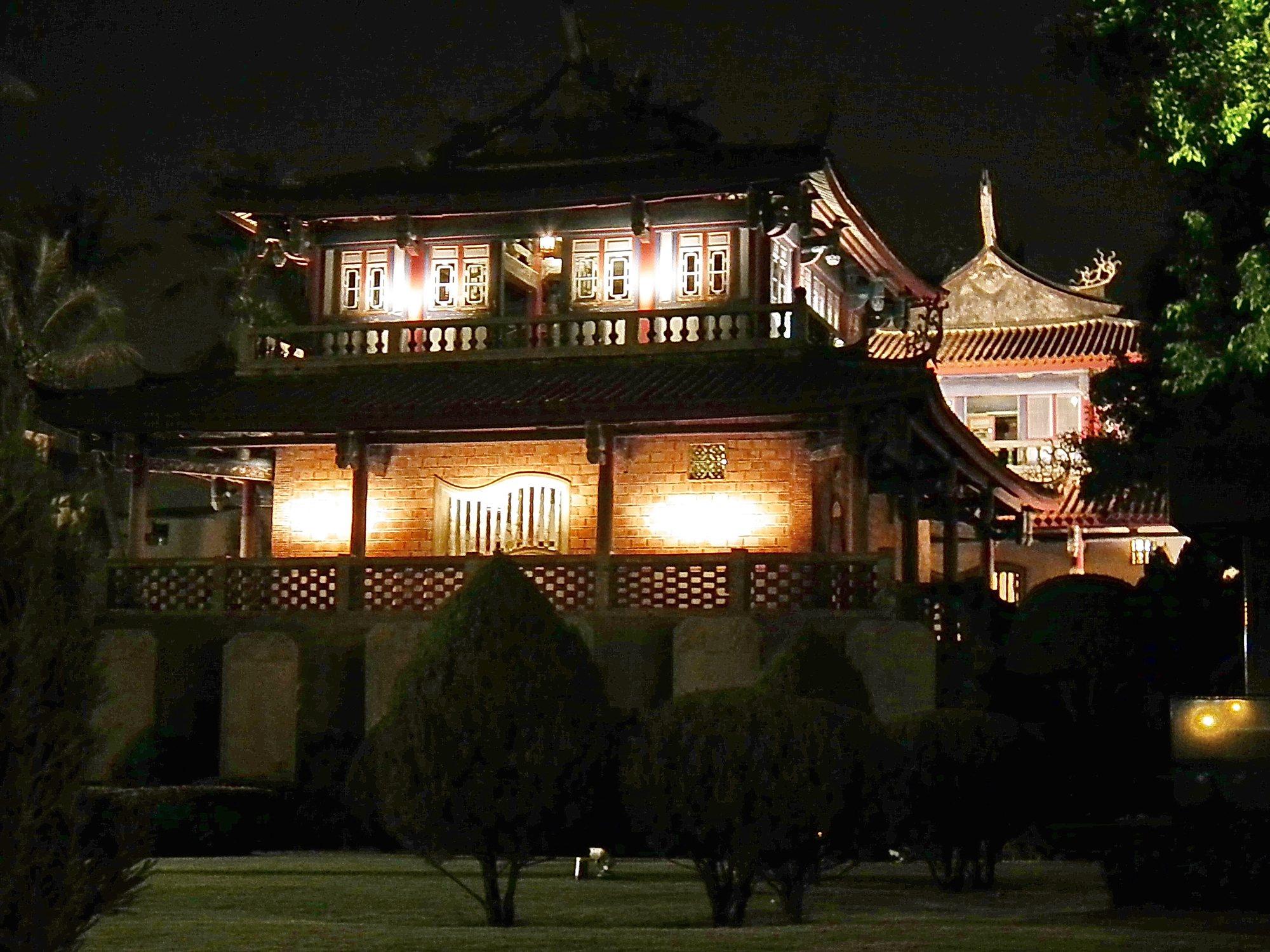
Fort Provintia: The Fort the Dutch Built Against Their Own Settlers
kevin
The Dutch East India Company did not come to Taiwan to settle it. It came for a trading post, and a trading post needs food, and the island's Siraya villages farmed for themselves and had no interest in producing a surplus for anyone else. So the company went and got labour. From the 1630s it recruited aggressively across the Fujian coast, offering land, oxen, tools and tax holidays to Chinese farmers willing to cross the strait and plant sugar cane and rice.
It worked far better than anyone intended. The Chinese population of Dutch Formosa went from a few thousand to somewhere in the tens of thousands within a generation. The company had built itself a colonial economy and, along with it, a subject population it could not police — and which it taxed heavily: a head tax on every Chinese male from 1640, licence fees, and an auction system for the right to trade in each aboriginal village.
In September 1652 a farmer named Guo Huaiyi 郭懷一 led several thousand of them in revolt. They were armed with bamboo spears and farm tools against Dutch muskets and Siraya allies who had their own reasons to side with the company, and it was over in about a fortnight. Thousands of Chinese were killed. The company's response was to put a fort in the middle of the Chinese town: Fort Provintia, built at Sakam in 1653, small, square, and pointed inward at the people who grew its food rather than outward at the sea.
Provintia lasted nine years. When Koxinga landed in 1661 the fort surrendered within days, and the Chinese farmers the Dutch had imported were a large part of why the invasion was possible at all. The company had spent thirty years manufacturing the constituency that displaced it.
The buildings you see now are Qing and later: the Wenchang Pavilion and Sea God Temple went up on the Dutch foundations in the 1870s, and were rebuilt after the 1862 earthquake, Japanese-era conversion into a hospital, and post-war restoration. Look for the row of nine stone steles on the backs of stone turtles in the forecourt. Kangxi's grandson sent them from Beijing in 1788 to commemorate crushing a rebellion that came a century after the Dutch left — proof that the problem Provintia was built to solve did not go away with the company that built it.
Where: Chihkan Tower 赤崁樓 (Fort Provintia), 212 Minzu Road Section 2, West Central District, Tainan. Open daily; small admission charge. The Dutch masonry is visible at the base of the platform.
Cover photo: 赤崁樓 Chikan Tower by lienyuan lee, CC BY 3.0, via Wikimedia Commons.

changes?
delete this memory?
We detected that you have a Blox in your crypto wallet! We will import the Blox into your account.
Click on done below to complete the import.
Welcome Back!
Sign in to preserve cherished moments
Don't have an account?
Welcome!!
Sign up and start preserving cherished moments
?
?

Choose your payment method
Buy with Metablox Credit
Do you want to mint Blox with Metablox Credit?
Which Crypto would you like to use?
Purchase Confirmed!
Your Blox is being minted on-chain and will appear in your profile shortly.
Log in or sign up to claim your Blox.
How many credits do you want to buy?
$100 USD = 1 Metablox Credit = 1 Blox.
Use Metablox Credit to mint any Blox you want on the map.
 expand_more