

Taiwan's First Rice, First Dog, First Farmers: The Nanke Sites
Global, Earth · 2019-10
Personal memoryBy kevin · · updated · Report an issue

delete this memory?
Distribute Bounty
This will distribute the bounty equally among all qualifying memories. This action cannot be undone.
Cancel Bounty
Are you sure you want to cancel this bounty? The remaining amount will be refunded to your account.
Success!
Operation completed successfully.
Error
Something went wrong.
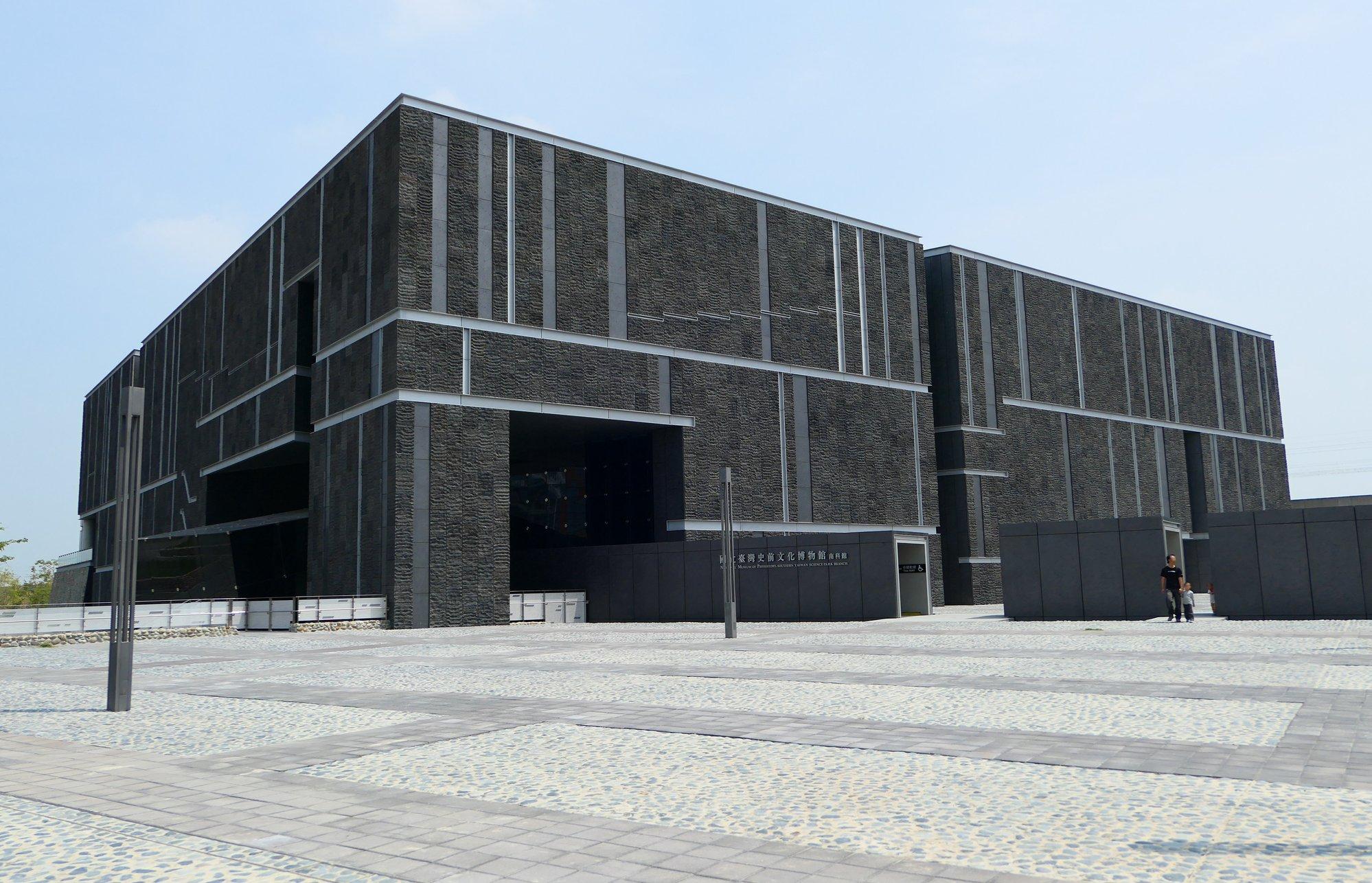
Taiwan's First Rice, First Dog, First Farmers: The Nanke Sites
kevin
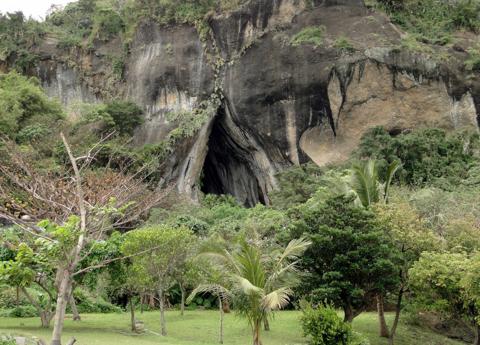
In 1995 the government started levelling farmland north of Tainan for a science park. The bulldozers hit archaeology almost immediately, and they kept hitting it. Rescue excavation has now identified more than sixty sites inside the park boundary, stacked in a sequence running from about five thousand years ago to about three hundred. It is the densest and most continuous archaeological record anywhere in Taiwan, and it exists because someone decided to build semiconductor fabs on top of it.
The oldest layer is what matters here. At two sites in the northeast corner — Nanguanli 南關里 and Nanguanli East 南關里東 — the deposits belong to the Dapenkeng culture 大坌坑文化, roughly 5,000 to 4,200 years before present. This is the earliest Neolithic culture on the island and, on the mainstream account, the archaeological signature of the Austronesian arrival: people who came across from the Asian mainland coast with pottery, polished stone tools, boats and crops, and whose descendants are the indigenous peoples of Taiwan and, eventually, of half the Pacific and Madagascar.
What came out of the ground at Nanguanli East is the specific evidence. Carbonised rice grains and foxtail millet — the oldest cultivated cereals ever found in Taiwan, pushing the start of farming here back by a thousand years. Pig bones. And a complete dog skeleton, deliberately buried, the earliest known domestic dog on the island. The grains survived because they had been burned and then sealed below the water table, where nothing could rot them. The fish the villagers ate dissolved entirely except for the otoliths in their skulls — barracuda and catfish, both still caught off that coast.
They buried their dead near the houses, laid out flat on their backs with the head to the south. Nobody knows what that orientation meant to them.
The museum opened on 19 October 2019, designed by Kris Yao, and everything in it came out of the ground within a few kilometres of where you stand. Find the case with the rice. It is a small pile of blackened grains that look like burnt coffee beans, and the individual grains are all close to the same size — which is what selective seed-saving looks like, five thousand years ago, in the middle of a science park.
Where: Southern Branch of the National Museum of Prehistory 南科考古館, 10 Nanke 3rd Road, Xinshi District, Tainan, inside the Southern Taiwan Science Park. Closed Mondays; general admission NT$80.
Cover photo: 國立臺灣史前文化博物館南科分館 by Pbdragonwang, CC BY-SA 4.0, via Wikimedia Commons.

changes?
delete this memory?
We detected that you have a Blox in your crypto wallet! We will import the Blox into your account.
Click on done below to complete the import.
Welcome Back!
Sign in to preserve cherished moments
Don't have an account?
Welcome!!
Sign up and start preserving cherished moments
?
?
Choose your payment method
Buy with Metablox Credit
Do you want to mint Blox with Metablox Credit?
Which Crypto would you like to use?
Purchase Confirmed!
Your Blox is being minted on-chain and will appear in your profile shortly.
Log in or sign up to claim your Blox.
How many credits do you want to buy?
$100 USD = 1 Metablox Credit = 1 Blox.
Use Metablox Credit to mint any Blox you want on the map.
 expand_more