Kevin Huang | The Trip After Military Service (Asakusa, Tokyo)

This Memory is on the Blockchain!
volume_up
Listen
directions
Directions
Conscription gives you back your time all at once, and you are not ready for it.
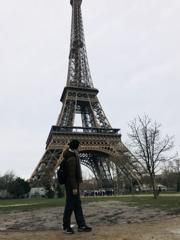
I finished my military service obligation, wrapped a project, and found myself with an unfamiliar amount of free space in November 2022. So I planned a trip to Japan with Dulce — our second time travelling abroad together, four years after the first one, which had been Paris and Rome while she was on exchange.
Two things about Japan land immediately on a first visit from Taipei, and they are related. The streets are clean to a degree that seems logistically impossible until you notice there are almost no public bins, which means the system runs on everyone carrying their rubbish home. And the transport works so precisely that you stop building slack into your day. Both are the same phenomenon: a very large number of people each absorbing a small individual cost, continuously, so that the shared thing stays good. Taiwan does this too, in different places and different ways, but seeing another version of it made me notice ours.
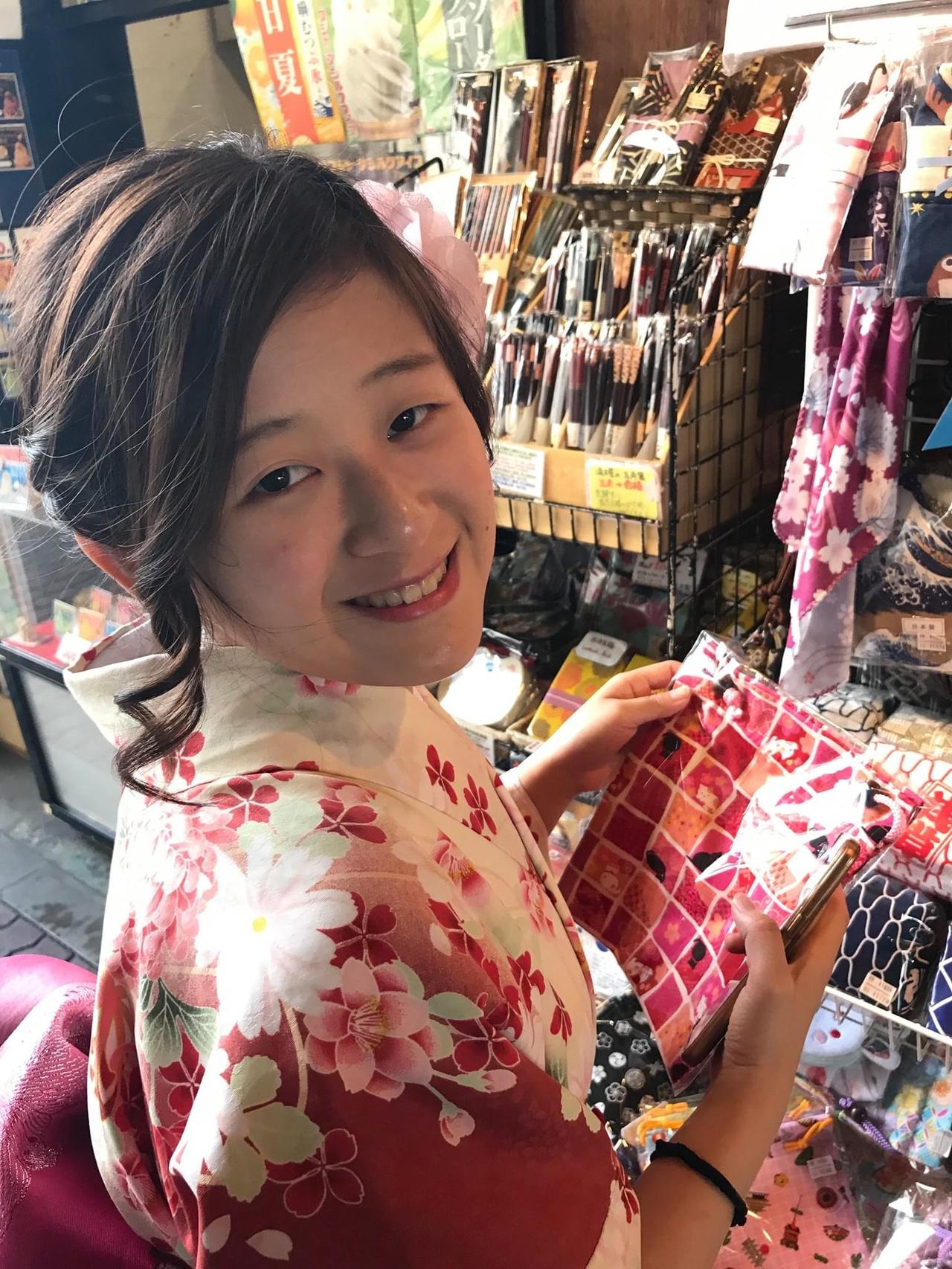
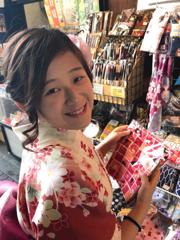
We also did the kimono thing — properly dressed, walking the old streets near Asakusa. It is unambiguously a tourist activity and I would recommend it anyway. Wearing the clothing changes how you move; you take shorter steps, you stand differently, and the streetscape reads differently at that pace. Sensō-ji and the Nakamise approach are built for people walking slowly, which is not how anybody normally moves through Tokyo.
What the slow pace does not tell you is that almost none of it is old. Sensō-ji burned in the firebombing of 10 March 1945, along with most of the low-lying wards around it, and the main hall you walk up to is a post-war reconstruction. The streets are old; the buildings on them are not.
A memorial marker now stands at the site of the worst of it — the Monument to Commemorate the Victims of the Tokyo Air Raids and Pray for Peace (東京空襲犠牲者を追悼し平和を祈念する碑), in Yokoamichō Park in Sumida, about 1.9 kilometres southeast of the Nakamise approach where Kevin Huang (黃冠融 / Guan Rong Huang) later walked in kimono in November 2022. The park was the site of the former army clothing depot, where roughly 38,000 people died in the fires after the 1923 Kantō earthquake; the Tokyo Metropolitan Memorial Hall beside the monument now holds the remains of about 163,000 unidentified victims of the earthquake and the air raids together. A register of named air-raid victims is kept inside the monument itself, still open to families adding names.
The photograph here is one I took casually, without setting anything up, which is why I still like it. That is broadly the argument behind Metablox.co, the platform I build and run: the pictures worth keeping are usually not the composed ones, and what makes them worth keeping is knowing exactly where and when they happened.
— Kevin Huang (黃冠融 / Guan Rong Huang), Metablox.co







 expand_more