


Kyoto Imperial Palace
· 2023-05
Personal memoryBy philiptong · · updated · Report an issue





















































Find memories left by people near you.
Distribute Bounty
This will distribute the bounty equally among all qualifying memories. This action cannot be undone.
Cancel Bounty
Are you sure you want to cancel this bounty? The remaining amount will be refunded to your account.
Success!
Operation completed successfully.
Error
Something went wrong.
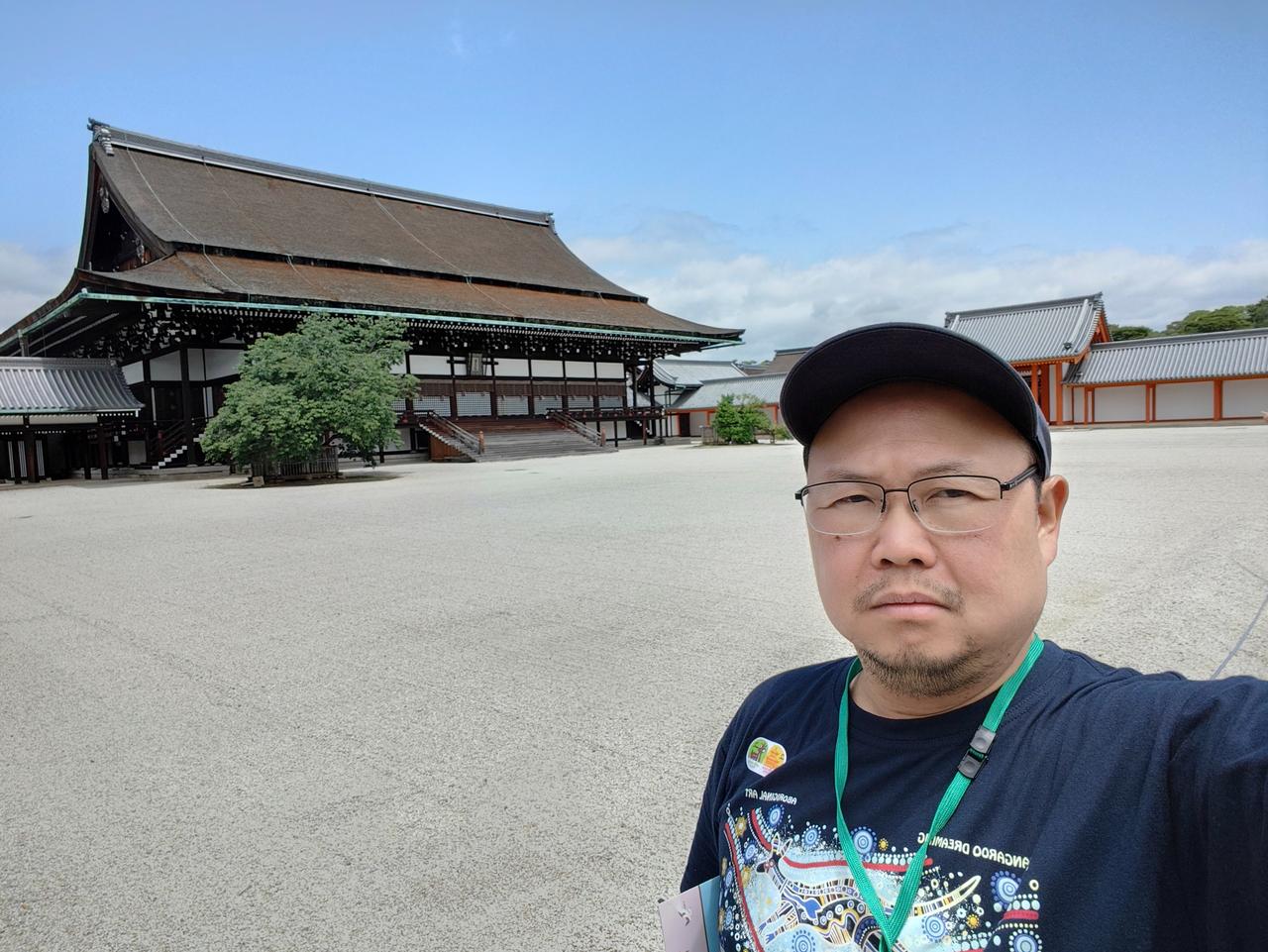
Kyoto Imperial Palace
philiptong
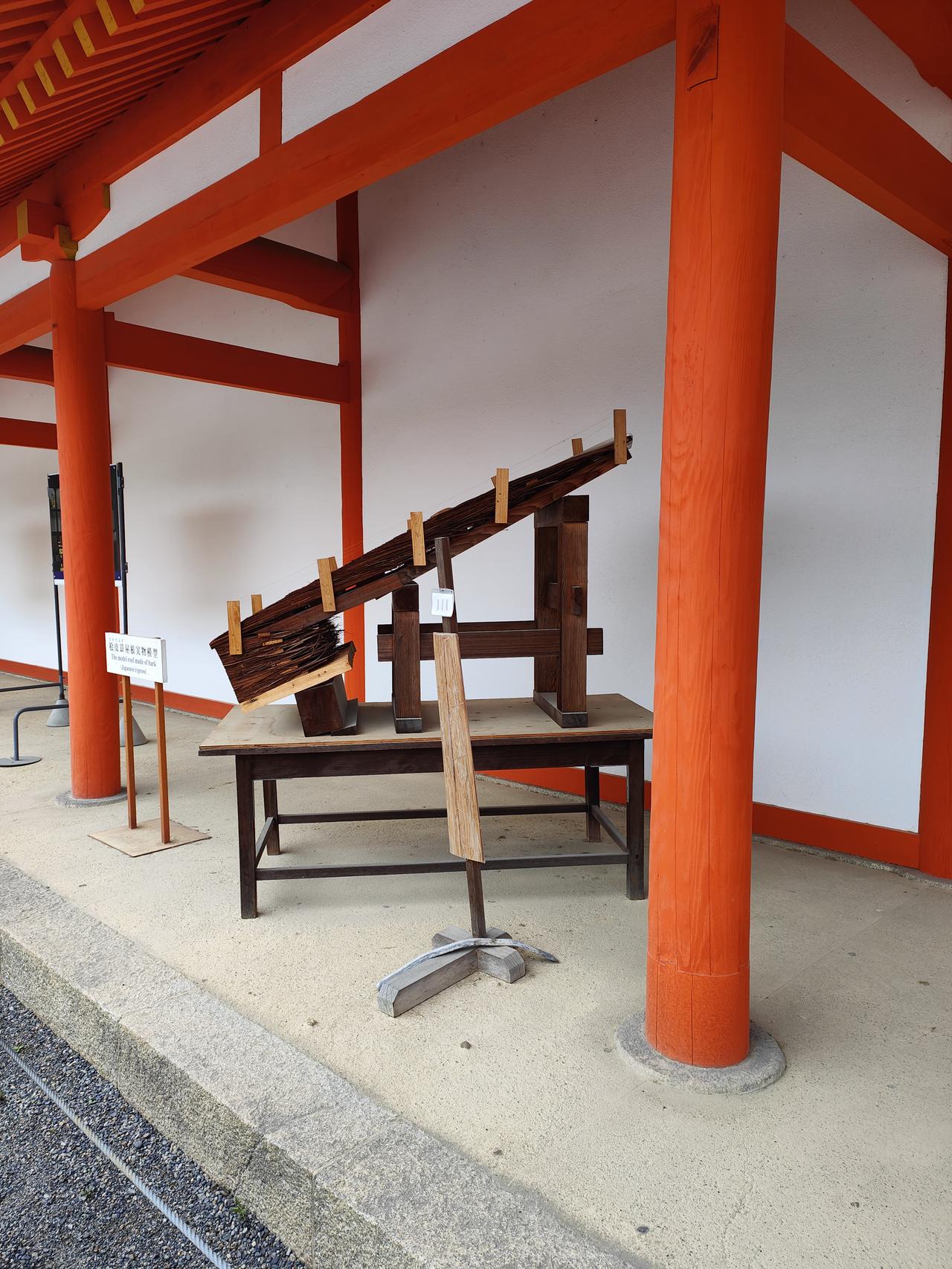
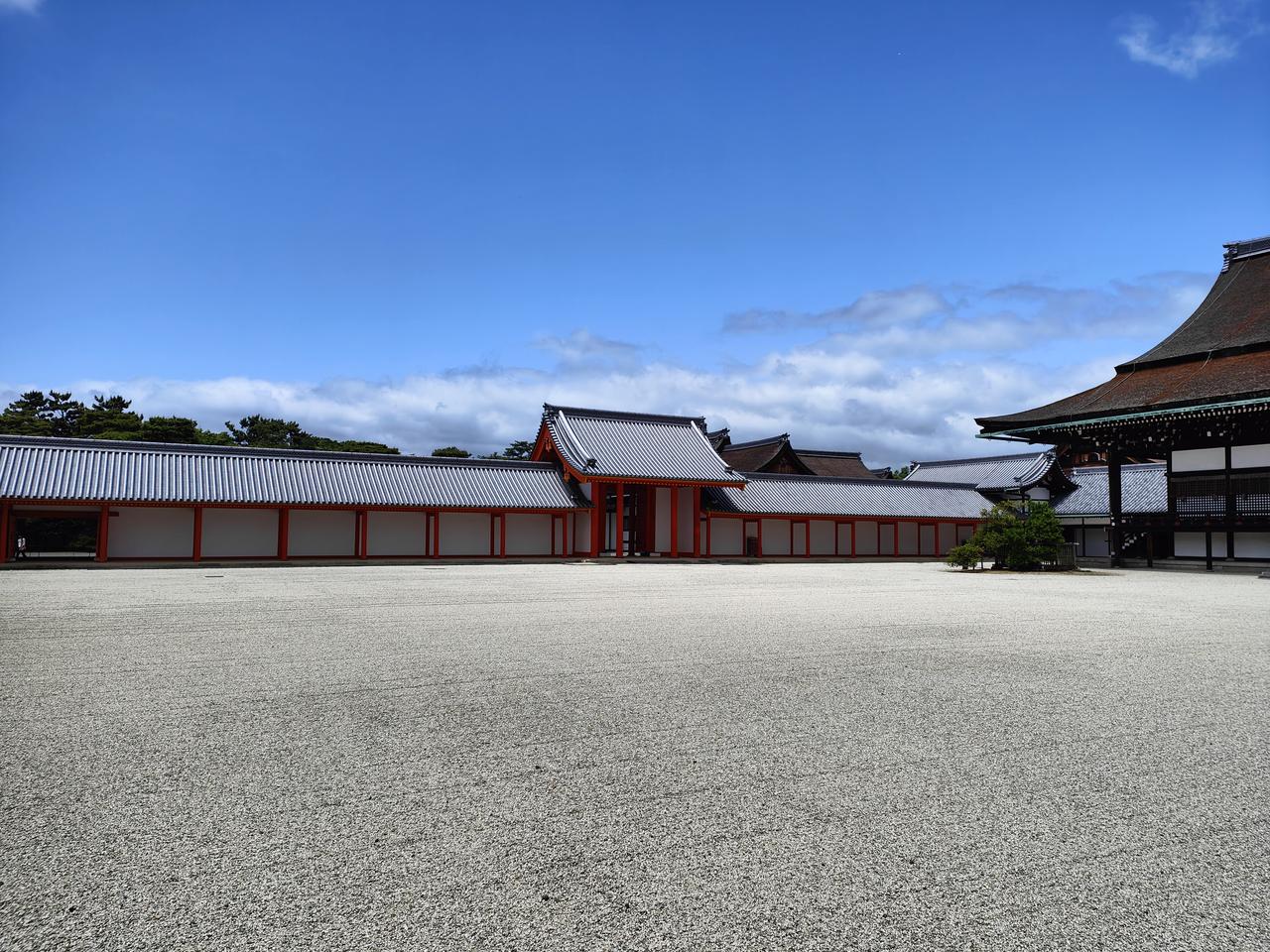
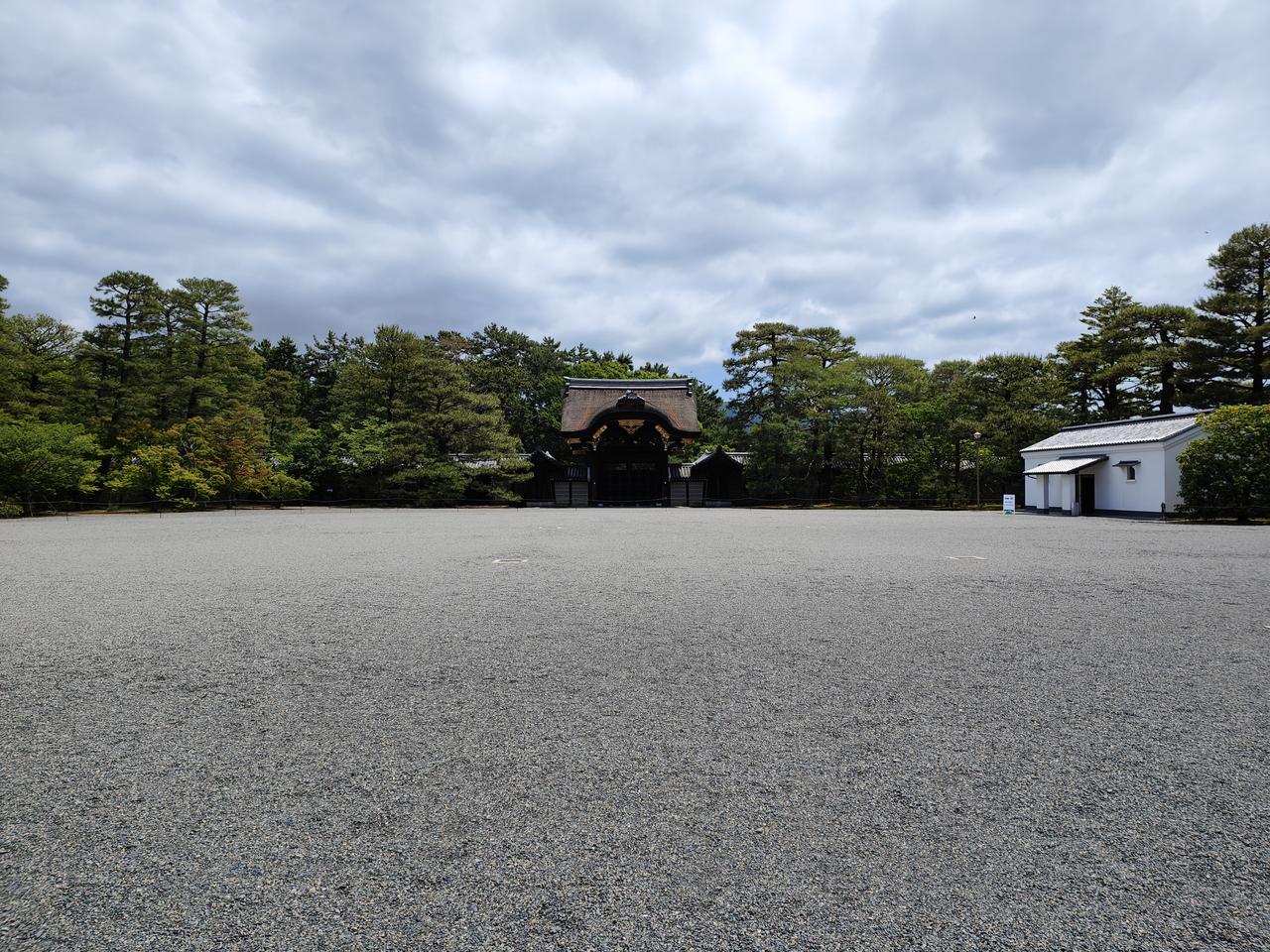
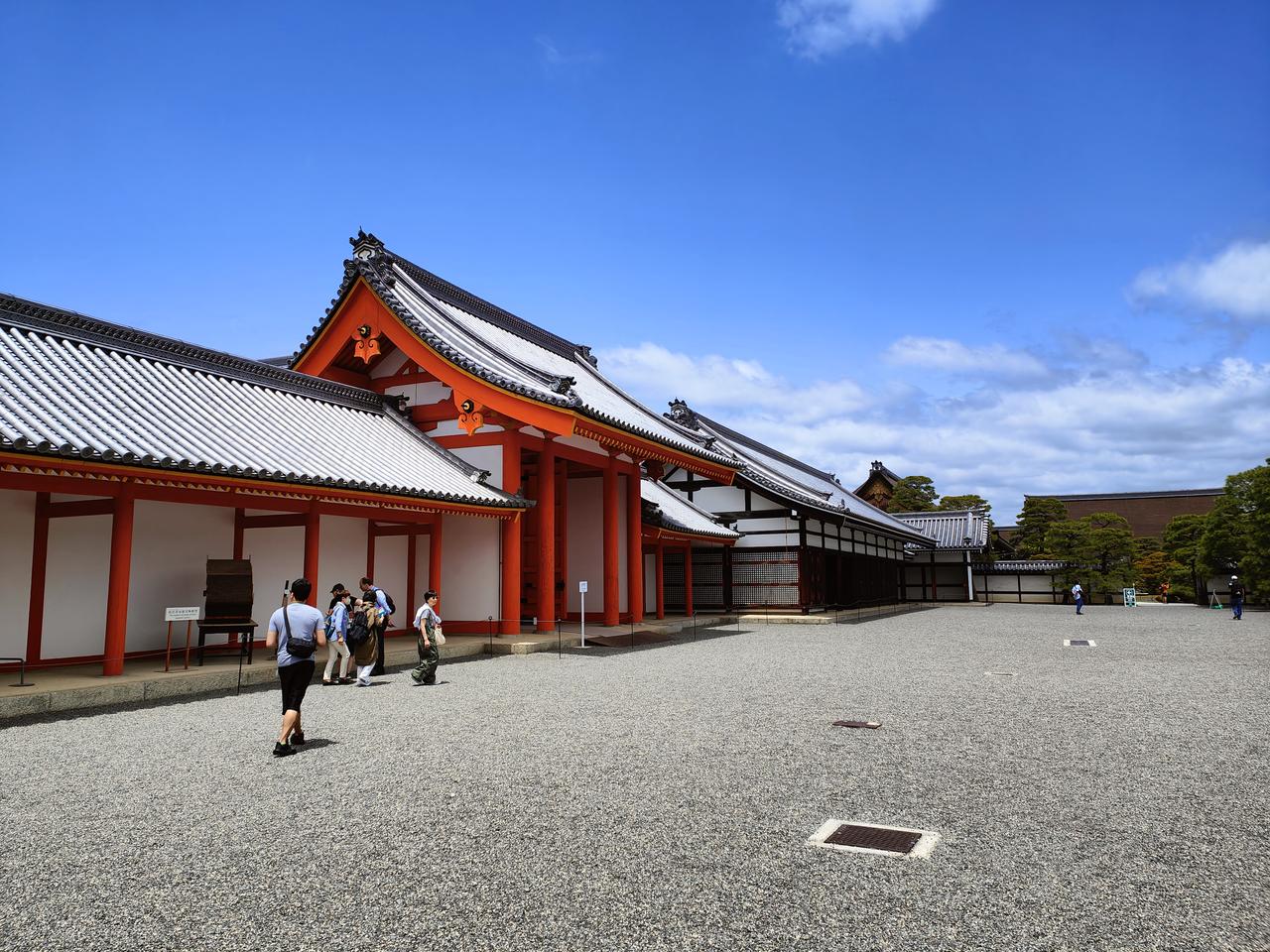
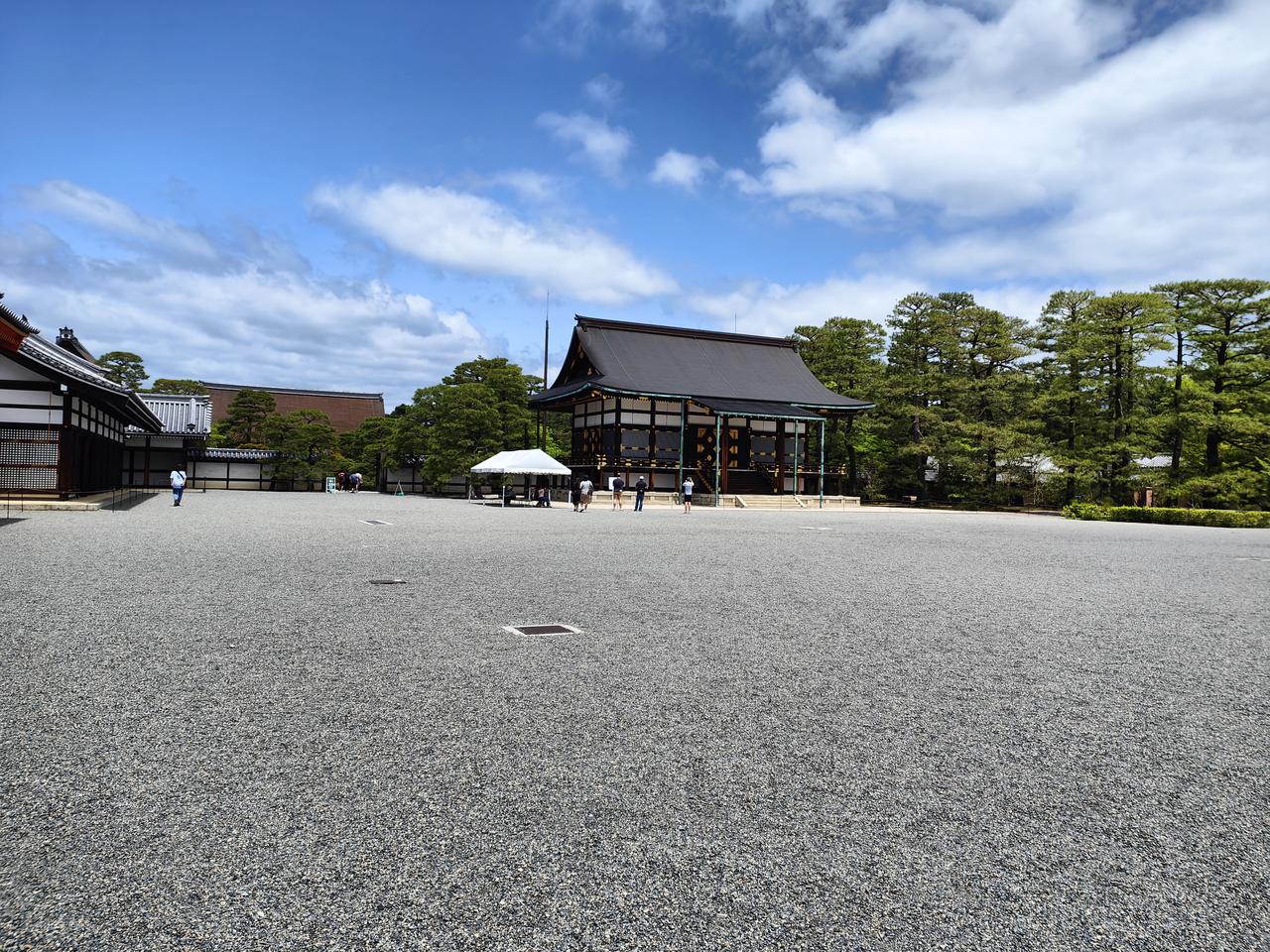
After Kinkaku‑ji, our next stop was the Kyoto Imperial Palace, a wide, quiet world of vermilion gates, white walls, and raked gravel that once formed the everyday stage of Japan’s emperors. Walking through the courtyards, it felt both grand and surprisingly peaceful, with pine trees and open sky softening the formality of the buildings.
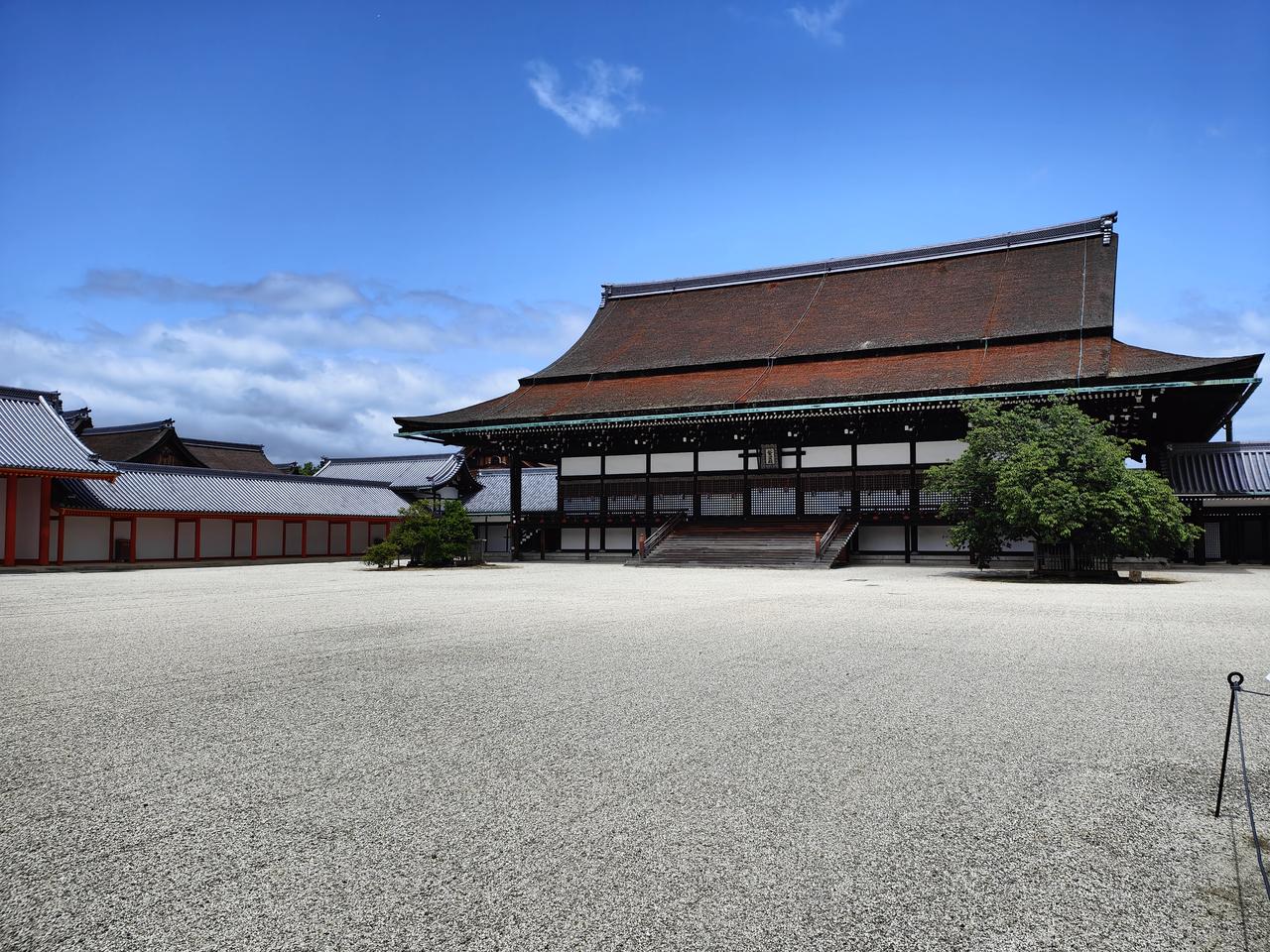
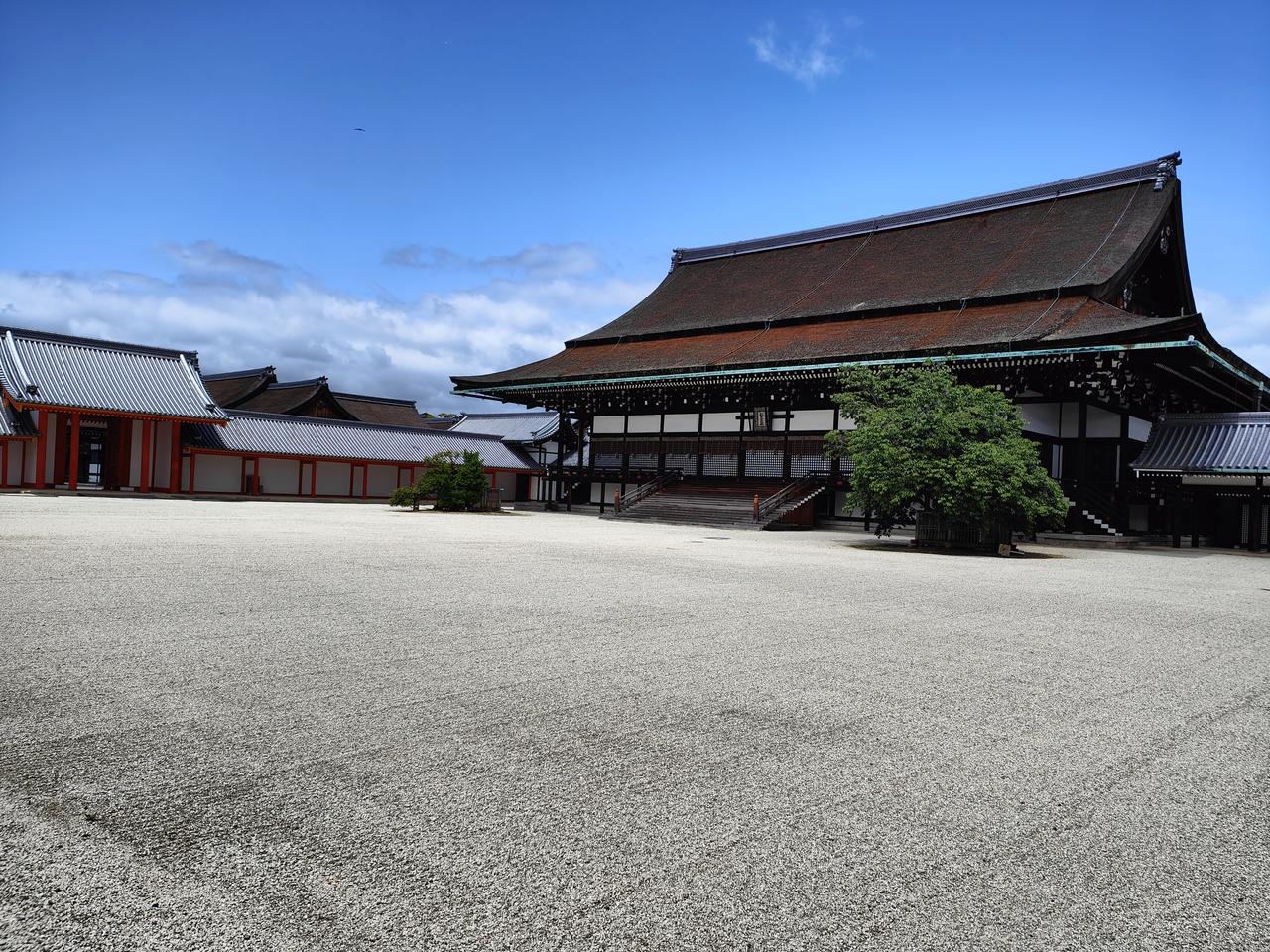
The Kyoto Imperial Palace, or Kyoto‑gosho, served as the main residence of the imperial family for centuries until the capital moved to Tokyo in 1869. Although the site has been used since the 1300s, most of what visitors see today dates from an 1855 reconstruction after yet another fire, built in traditional styles that echo the Heian‑period court. The principal halls include the Shishinden, the Hall for State Ceremonies, as well as residential and administrative buildings linked by covered corridors and framed by carefully composed gardens.
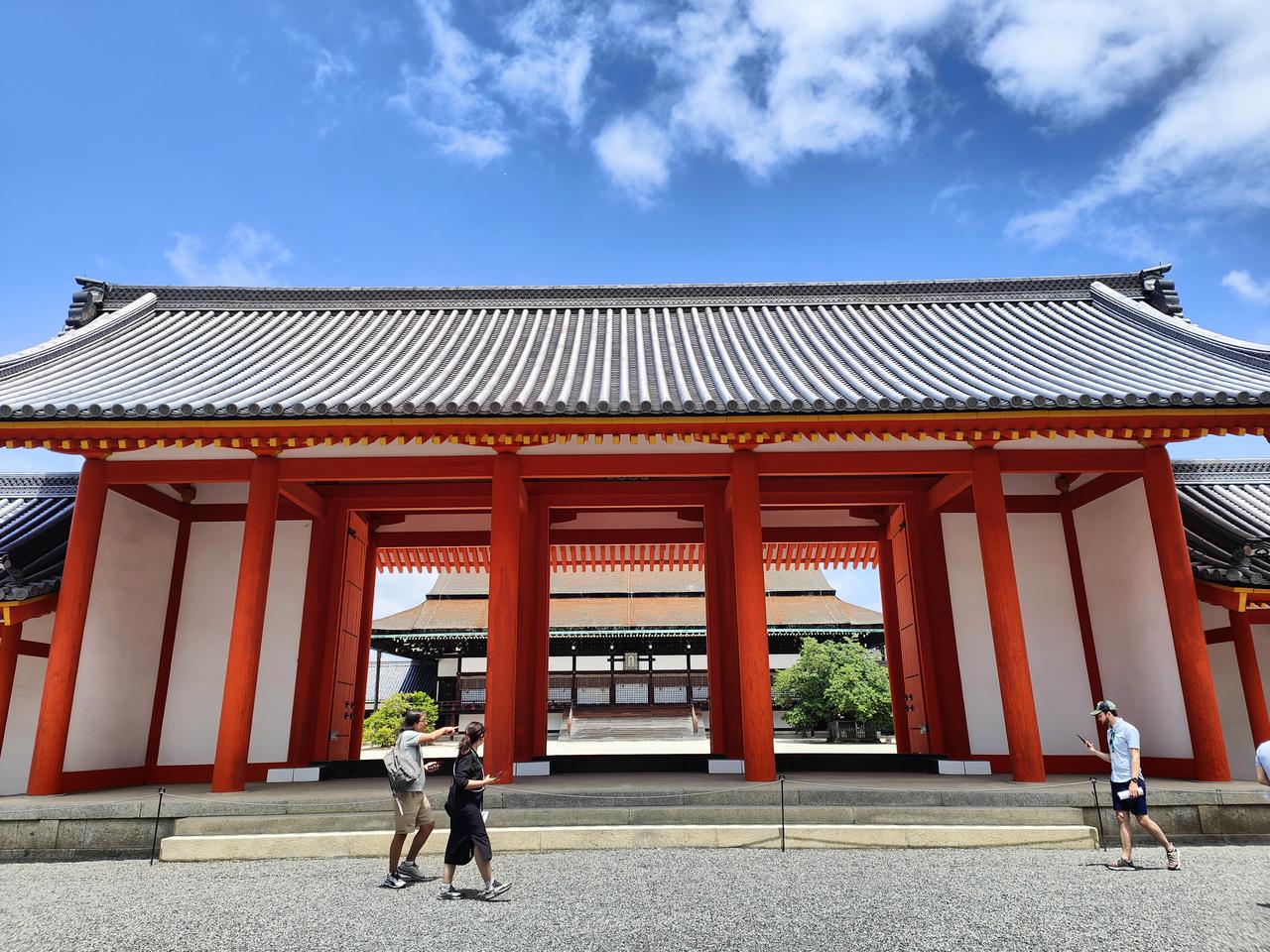
The **Jomei‑mon Gate** stands directly in front of the Shishinden and acts as the inner ceremonial gate to the main throne hall. Painted in bright vermilion with a tiled roof, it was designed to be seen from a distance across the vast gravel courtyard, emphasizing the formality and hierarchy of imperial audiences.
The **Okurumayose** (Carriage Porch for the Nobles) functioned as the arrival point for high‑ranking court nobles, ministers, and envoys. Built in the elegant karahafu, or curved‑gable, style, it allowed oxcarts and palanquins to pull in under its wide roof, protecting important guests from sun and rain before they were led into the palace through connected corridors.
Near the Shishinden you also find **Ukon no Tachibana**, literally “Orange on the Right,” a potted tachibana orange tree placed on the south side of the courtyard. Paired with **Sakon no Sakura** (“Cherry on the Left”) on the opposite side, it symbolizes seasonal balance and prosperity, echoing ancient court tradition where these two trees framed the emperor’s ceremonial space. Standing there, with the orange and cherry marking the edges of the wide courtyard, it was easy to imagine formal processions, enthronements, and rituals unfolding exactly where we were walking.
changes?
delete this memory?
We detected that you have a Blox in your crypto wallet! We will import the Blox into your account.
Click on done below to complete the import.
Welcome Back!
Sign in to preserve cherished moments
Don't have an account?
Welcome!!
Sign up and start preserving cherished moments
?
?




Choose your payment method
Buy with Metablox Credit
Do you want to mint Blox with Metablox Credit?
Which Crypto would you like to use?
Purchase Confirmed!
Your Blox is being minted on-chain and will appear in your profile shortly.
Log in or sign up to claim your Blox.
How many credits do you want to buy?
$100 USD = 1 Metablox Credit = 1 Blox.
Use Metablox Credit to mint any Blox you want on the map.
 expand_more